
How to Set Up a Bioprinting Lab for Tissue Engineering in India
Dr. Vikram Sharma
Head of Advanced Manufacturing Research, Autoabode · Autoabode
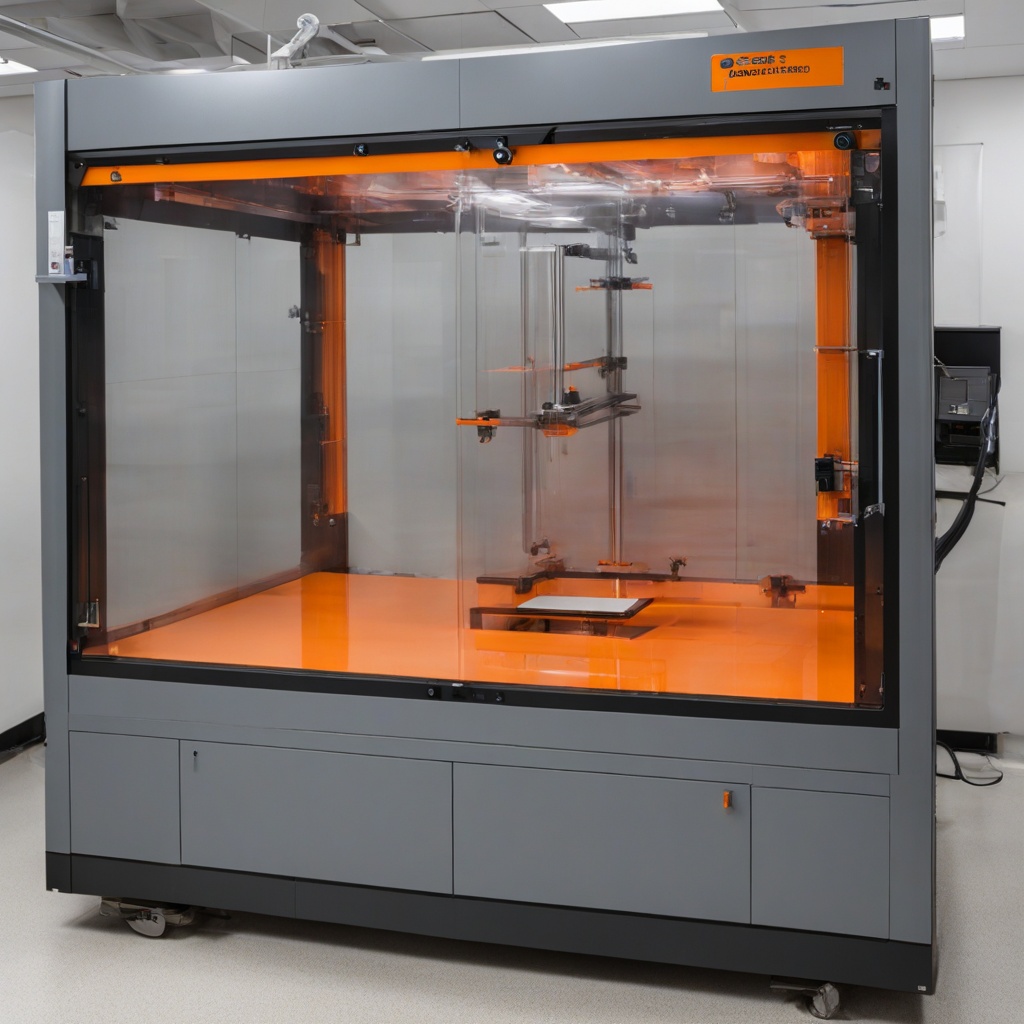
Establishing a functional bioprinting lab for tissue engineering in India is a critical step for advancing regenerative medicine, drug testing, and personalised healthcare solutions. The core challenge lies not just in acquiring a bioprinter, but in integrating a complex ecosystem of biology, engineering, and stringent regulatory compliance under one roof. Success requires meticulous planning across sterile environments, cell sourcing, bioink development, and post-processing bioreactors. In Autoabode's production trials for advanced manufacturing systems, we've observed that a lab's efficacy is defined by its weakest link—often the cell culture facility or the quality control protocols. This guide provides a structured, technical roadmap for researchers, startups, and institutions aiming to build a compliant and productive bioprinting facility aligned with India's growing focus on medtech innovation under schemes like the PLI for medical devices and the National Biopharma Mission. We will detail the essential infrastructure, from ISO Class 7 cleanrooms to cryogenic storage, and explain how to navigate the regulatory landscape set by the Central Drugs Standard Control Organisation (CDSCO) for tissue-engineered products.
Core Infrastructure and Sterile Workspace Design
Creating a Contamination-Free Biomanufacturing Zone
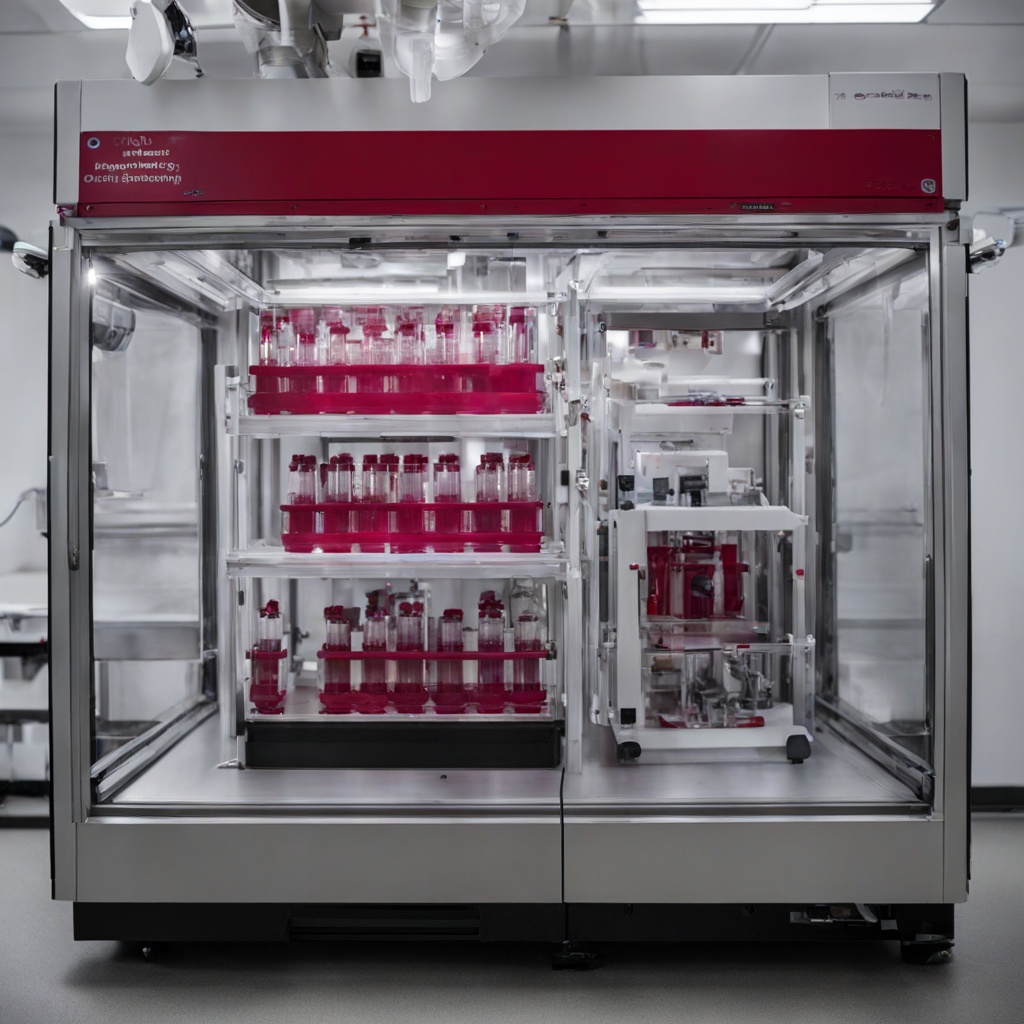
The physical foundation of any bioprinting lab for tissue engineering in India is a rigorously controlled sterile environment. Unlike standard 3D printing labs, bioprinting involves living cells that are highly susceptible to microbial contamination. The primary workspace must be an ISO Class 7 (Class 10,000) cleanroom or, at minimum, dedicated biosafety cabinets (Class II, Type A2) for all cell-handling and printing operations. Our engineers at Autoabode have observed that maintaining a consistent positive air pressure differential of 15-20 Pascals is non-negotiable to prevent ingress of contaminants. Temperature must be stabilized at 22°C ± 2°C and relative humidity at 45-55% to ensure both cell viability and bioink printability. The lab layout should enforce a unidirectional workflow, segregating 'clean' areas (cell culture, bioink prep) from 'dirty' areas (post-print analysis, waste disposal) to prevent cross-contamination. All surfaces require non-porous, chemical-resistant materials like stainless steel 316 or epoxy resin coatings for easy decontamination using 70% ethanol or vaporized hydrogen peroxide systems.
Beyond the cleanroom, ancillary facilities are equally critical. A dedicated cell culture suite with CO2 incubators (maintaining 5% CO2 and 95% humidity), inverted phase-contrast microscopes for daily viability checks, and a -80°C cryogenic freezer for cell stock preservation is mandatory. For bioink formulation and rheological testing, a separate wet lab needs a controlled-temperature centrifuge (capable of 4°C), a rheometer to measure viscosity and shear-thinning properties (target viscosity range: 30-1000 mPa·s at printing shear rates), and pH meters. Clients including DRDO report that integrating real-time environmental monitoring sensors for particulate count, temperature, and humidity, with data logging for audit trails, is becoming a standard requirement for compliance with Good Laboratory Practice (GLP) and future Good Manufacturing Practice (GMP) standards for clinical-grade output.
Autoabode's analysis of successful Indian labs shows that initial infrastructure investment for a basic but compliant R&D bioprinting facility starts at ₹2.5 - 3.5 crores, with the cleanroom and HVAC system alone accounting for nearly 40% of the cost.
- Bioprinter with Multi-Material & Gelation Capability: Must offer sterile printheads, temperature-controlled stage (4-37°C), and crosslinking systems (UV 365-405 nm, ionic, thermal). Print resolution should be ≤ 100 µm for vascular structures.
- Advanced Cell Culture Suite: Equipped with multiple Class II Biosafety Cabinets, 2-3 CO2 incubators, a refrigerated centrifuge, and an automated cell counter. Plan for a separate quarantine incubator for new cell line arrivals.
- Bioink Characterization Station: Includes a rotational rheometer (measuring shear stress from 0.1 to 1000 s⁻¹), a FTIR spectrometer for polymer characterization, and a gelation time measurement setup.
- Post-Print Bioreactor System: Provides dynamic conditioning (perfusion, compression) with real-time monitoring of pH, O2, and glucose. Essential for maturing constructs like cartilage or bone over 4-6 week cycles.
- Quality Control & Imaging Hub: Comprises a confocal microscope for 3D cell viability assessment (using live/dead stains), a micro-CT scanner for scaffold porosity analysis (target: 60-80%), and a tensile tester for mechanical property validation (Young's modulus target for soft tissues: 0.1-1 MPa).
Operational Workflow and Bioink Management
From Cell Sourcing to Construct Maturation
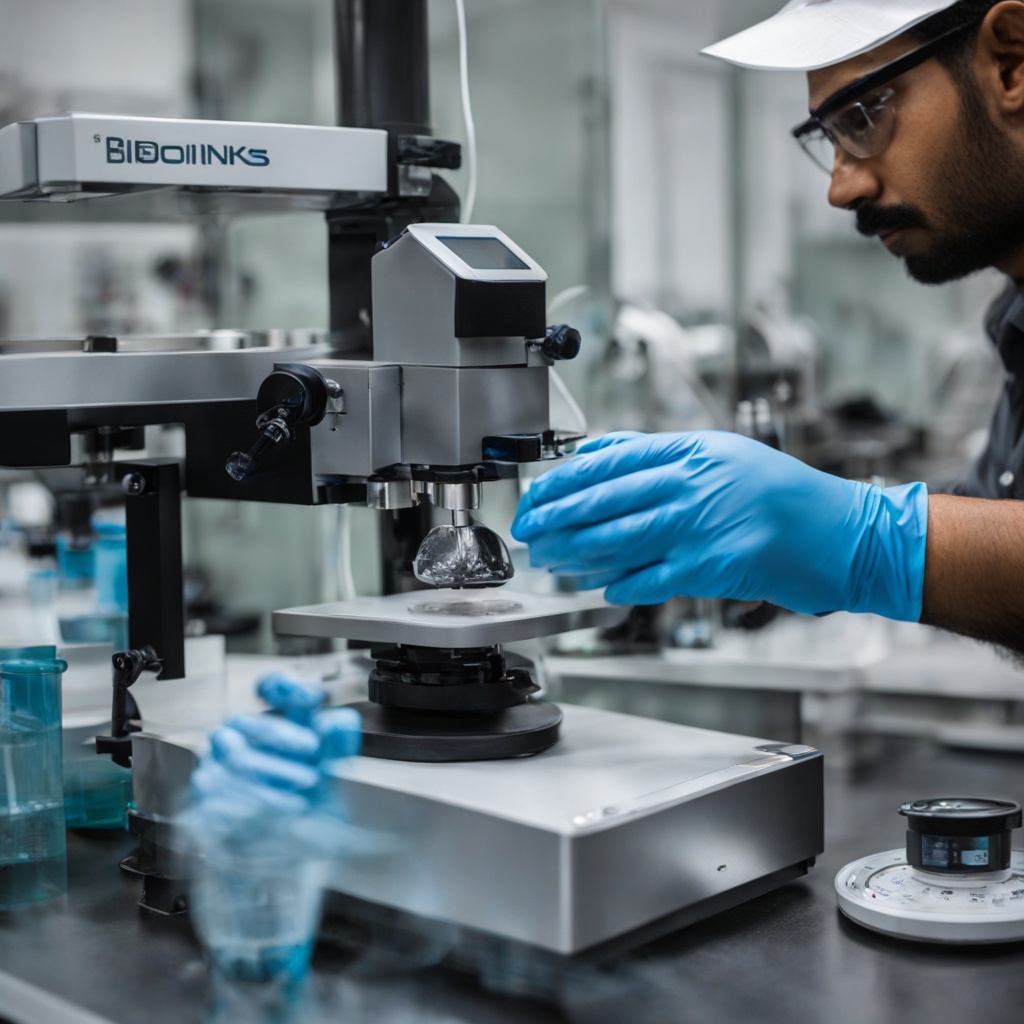
The operational heartbeat of a bioprinting lab is a standardized, documented workflow that ensures reproducibility and traceability. It begins with cell sourcing and expansion. For academic R&D, established cell lines like NIH-3T3 fibroblasts are common, but for translational work, primary human cells or patient-derived induced pluripotent stem cells (iPSCs) are essential. All cell work must follow strict aseptic technique, with media changes performed in biosafety cabinets. Cell viability pre-printing must consistently exceed 95%, as measured by trypan blue exclusion assays. The next critical phase is bioink formulation. A typical bioink is a hydrogel like alginate (1-4% w/v), gelatin methacryloyl (GelMA, 5-15% w/v), or hyaluronic acid, seeded with cells at densities of 1-10 million cells per mL. The ink must exhibit shear-thinning behavior to extrude smoothly through nozzles as fine as 200 µm, yet rapidly recover viscosity (within 10-30 seconds) post-deposition to maintain structural fidelity.
The printing process itself requires precise calibration of parameters: extrusion pressure (15-100 kPa depending on nozzle size), print speed (5-20 mm/s), and layer height (50-200 µm). Immediately after printing, constructs undergo crosslinking—ionic for alginate using CaCl2 solution, or photo-crosslinking for GelMA using UV light at 5-20 mW/cm² for 30-120 seconds. The final and most prolonged stage is construct maturation in a bioreactor. This isn't passive incubation; it's active conditioning. For bone-like constructs, a perfusion bioreactor provides shear stress to cells, while for cartilage, cyclic compression is applied. This stage can last from two weeks to several months, during which the extracellular matrix remodels and strengthens. Regular monitoring via microscopy and biochemical assays (e.g., for collagen or glycosaminoglycan content) is crucial. This end-to-end workflow, when coupled with rigorous documentation, forms the basis for regulatory submissions, a process where our experience in developing certified systems for defence clients proves invaluable for establishing disciplined protocols.
Navigating the Indian Regulatory and Funding Landscape
Setting up a bioprinting lab for tissue engineering in India is as much about navigating policy as it is about technology. The regulatory pathway is overseen by the CDSCO under the New Drugs and Clinical Trials Rules, 2019, where tissue-engineered products are classified as 'New Drugs'. This necessitates a rigorous approval process involving preclinical data (in-vitro and animal studies), chemistry, manufacturing, and controls (CMC) documentation, and phased clinical trials. Engaging with the Central Drugs Standard Control Organisation early, possibly through a pre-submission meeting, is critical to define the specific regulatory classification and data requirements for your product. Furthermore, labs must comply with biosafety guidelines from the Review Committee on Genetic Manipulation (RCGM) if using genetically modified cells, and secure necessary approvals from the Institutional Biosafety Committee (IBSC).
Financially, the Indian government's Production Linked Incentive (PLI) Scheme for Medical Devices and the Department of Biotechnology's (DBT) National Biopharma Mission offer substantial support for indigenous manufacturing and R&D. The PLI scheme can provide a financial incentive of up to 5% of incremental sales for manufacturing high-end medical devices, which can include bioprinters or bioreactors. For research grants, the Biotechnology Industry Research Assistance Council (BIRAC) is a key facilitator. Integrating with this ecosystem means designing a lab not just for research, but for eventual scale-up. This is where Autoabode's expertise in industrial-grade, reliable manufacturing systems becomes a strategic advantage. The precision engineering and software control required for high-fidelity bioprinting share DNA with our industrial SinterX Pro SLS printer used for creating complex, end-use parts for aerospace. Similarly, the sterile, controlled-environment management parallels the cleanroom protocols we implement for our BotBit UAV series avionics assembly. For prototyping non-biological components of bioprinting systems, such as custom printhead fixtures or perfusion chambers, our rapid prototyping services utilizing high-resolution FDM and SLS can accelerate development cycles significantly, embodying the 'Make in India' ethos for advanced medical technology.
Frequently Asked Questions
Q: What is the minimum budget required to set up a bioprinting lab in India?
A: Establishing a basic but functional R&D-grade bioprinting lab for tissue engineering in India requires a significant capital investment. The minimum budget typically starts at ₹2.5 crores (approximately $300,000 USD). This covers core items: a mid-range extrusion bioprinter (₹40-60 lakhs), a Class II biosafety cabinet and basic cell culture equipment (₹25-35 lakhs), a small-scale ISO Class 7 cleanroom or clean zone with HVAC (₹1-1.5 crores), and essential characterization tools like an inverted microscope and basic rheometer. This budget is for a minimal academic research setup. For translational or pre-clinical work aiming for regulatory compliance, budgets can easily exceed ₹5 crores to include advanced bioreactors, confocal imaging, validated software systems, and GLP-compliant documentation infrastructure. It's crucial to factor in recurring costs for consumables (bioinks, cell culture media, sterile filters) which can run ₹5-10 lakhs annually.
Q: Which government approvals are needed for a tissue engineering lab in India?
A: Multiple government approvals are mandatory. Primarily, you must register with the Central Drugs Standard Control Organisation (CDSCO) as a manufacturer of 'New Drugs' (tissue-engineered products fall under this). This involves submitting detailed Chemistry, Manufacturing, and Controls (CMC) data. If your work involves animal-derived materials or testing, approval from the Committee for the Purpose of Control and Supervision of Experiments on Animals (CPCSEA) is required. For labs using recombinant DNA technology or genetically modified cells, approvals from the Institutional Biosafety Committee (IBSC) and the Review Committee on Genetic Manipulation (RCGM) under the Department of Biotechnology are essential. Furthermore, the lab facility itself may require a No Objection Certificate from the local pollution control board for biological waste disposal. Engaging a regulatory consultant familiar with CDSCO and DBT processes is highly recommended to navigate this complex landscape efficiently.
Q: What are the best bioinks for beginners in bioprinting?
A: For beginners setting up a bioprinting lab, it is advisable to start with robust, well-characterized, and commercially available bioinks to establish core competencies before formulating custom materials. Alginate-based bioinks (1-3% w/v, crosslinked with calcium chloride) are an excellent starting point due to their relatively simple handling, good printability, and low cost. Gelatin methacryloyl (GelMA, 5-10% w/v) is another popular choice as it is biocompatible, supports cell adhesion, and can be photo-crosslinked with UV light for good structural stability. Many suppliers offer sterile, ready-to-use kits. Key parameters to monitor are viscosity (aim for 200-800 mPa·s at printing shear rates), gelation time (should be 10-60 seconds post-deposition), and post-printing cell viability (should remain above 85-90%). Starting with these materials allows researchers to standardize their printing and cell culture protocols before advancing to more complex blends involving hyaluronic acid, collagen, or decellularized extracellular matrix (dECM) components.
Q: Can I use a modified regular 3D printer for bioprinting?
A: While technically possible to modify a regular FDM 3D printer for extrusion-based bioprinting, it is strongly discouraged for any serious tissue engineering research, especially in a regulated Indian context. The reasons are critical: standard 3D printers lack the sterile, enclosed environment and temperature-controlled stage (4-37°C) necessary to maintain cell viability. Their printheads and motion systems are not designed for the corrosive nature of some bioinks or for easy sterilization via autoclaving or UV exposure. Precision and reliability are also concerns; bioprinting requires micron-level accuracy and consistent extrusion pressure control (often via pneumatic or screw-driven systems) that consumer-grade printers cannot guarantee. Most importantly, for regulatory compliance and publication of credible research, using a purpose-built, validated bioprinter is essential. The risk of contamination, inconsistent results, and failed experiments far outweighs the initial cost saving. Investing in a dedicated bioprinter, like those whose mechanical platforms share principles with industrial systems from manufacturers like Autoabode, ensures a foundation of reliability and precision.
Building a bioprinting lab for tissue engineering in India is a formidable but achievable mission that sits at the confluence of cutting-edge biology, precision engineering, and strategic national policy. It demands a disciplined approach to sterile infrastructure, a deep understanding of cell-material interactions, and proactive navigation of the evolving regulatory framework. The potential rewards—from creating patient-specific implants to revolutionizing drug discovery—are immense and align perfectly with India's ambitions in affordable healthcare innovation. Success hinges on viewing the lab not as a collection of equipment, but as an integrated, validated biomanufacturing system. For institutions ready to embark on this journey, partnering with experienced engineering firms can de-risk the process. To discuss how industrial-grade precision manufacturing principles can be adapted for your bioprinting initiative, contact Autoabode's advanced projects team for a consultation.
Frequently Asked Questions
Establishing a basic but functional R&D-grade bioprinting lab for tissue engineering in India requires a significant capital investment. The minimum budget typically starts at ₹2.5 crores (approximately $300,000 USD). This covers core items: a mid-range extrusion bioprinter (₹40-60 lakhs), a Class II biosafety cabinet and basic cell culture equipment (₹25-35 lakhs), a small-scale ISO Class 7 cleanroom or clean zone with HVAC (₹1-1.5 crores), and essential characterization tools like an inverted microscope and basic rheometer. This budget is for a minimal academic research setup. For translational or pre-clinical work aiming for regulatory compliance, budgets can easily exceed ₹5 crores to include advanced bioreactors, confocal imaging, validated software systems, and GLP-compliant documentation infrastructure. It's crucial to factor in recurring costs for consumables (bioinks, cell culture media, sterile filters) which can run ₹5-10 lakhs annually.
Dr. Vikram Sharma
Head of Advanced Manufacturing Research, Autoabode · Autoabode Consumer Electronics Pvt. Ltd.
Expert author at Autoabode — writing at the intersection of industrial 3D printing, defence manufacturing, and advanced UAV systems. Based in New Delhi, India.
Explore Autoabode's Platforms
This article is part of Autoabode's technical journal. Learn more about our core platforms built in India for defence, aerospace, medical and industrial teams:
More from the Journal
Off-Grid Communication Solutions for Mountainous Terrain: An Engineering Field Guide for India's High-Altitude Operators
Off-grid communication solutions for mountainous terrain are not optional in India — they are the difference between a coordinated operation and a stranded section. This engineering field guide breaks down the radio physics that defeats conventional VHF/UHF in the Himalayas, the mesh architectures that survive ridge-line shadowing, and the cold-weather, power-budget and security trade-offs that determine whether a system delivers in the Karakoram and Western Ghats. Built around real deployment data from Autoabode's MeshVani encrypted communicator and MeshVani Relay platform in service with the Indian Army, ITBP, NDRF and high-altitude expedition teams.
Drones & UAV · 7 min readModular UAV Payloads for Multi-Role Missions: A Technical Guide
Explore the technical specifications and strategic advantages of modular UAV payloads for multi-role missions. This guide covers hot-swap systems, sensor fusion, and real-world applications for defense and industry.