
Modular UAV Payloads for Multi-Role Missions: A Technical Guide
Rohan Sharma
Head of Avionics & Payload Systems, Autoabode · Autoabode
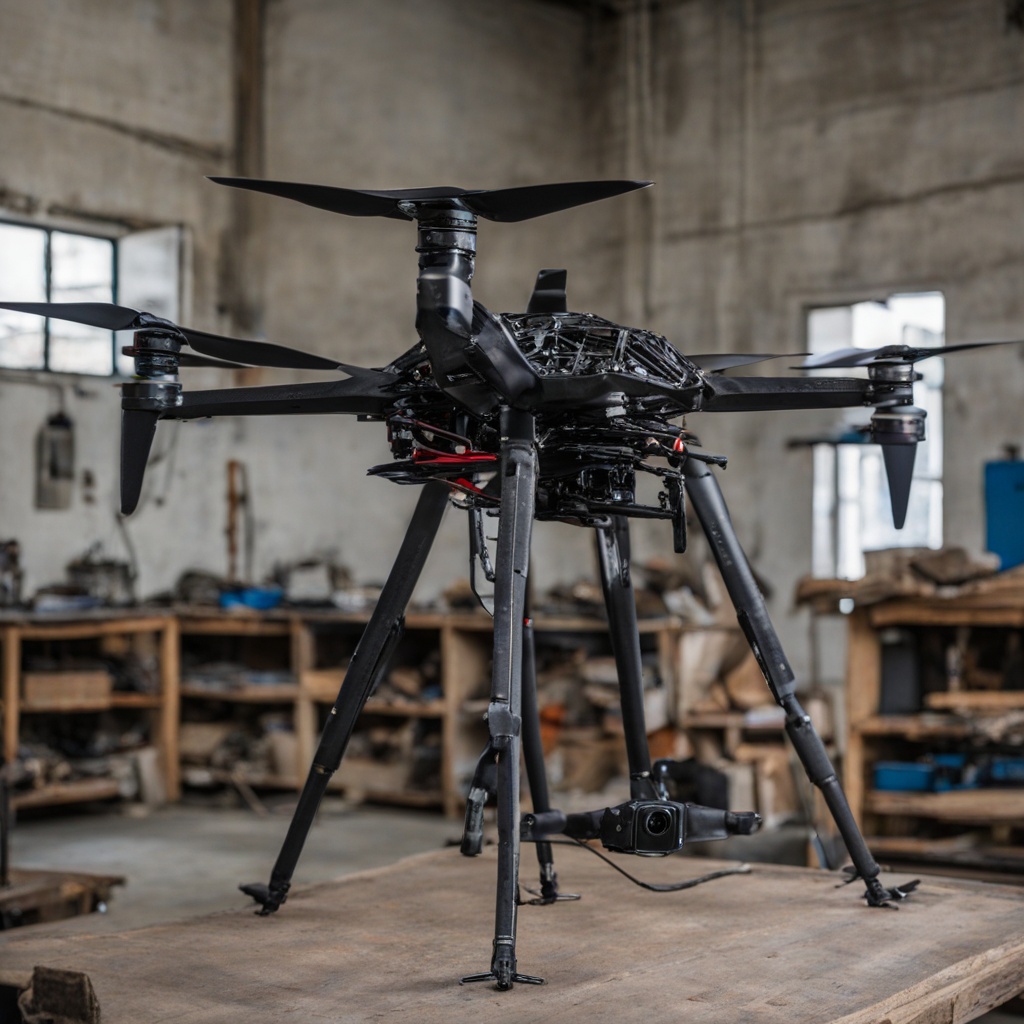
In modern aerial operations, the ability to adapt a single platform to diverse challenges is paramount. This is where the concept of modular UAV payloads for multi-role missions becomes a critical force multiplier. A rigid, single-purpose drone is often a logistical and financial burden, whereas a platform capable of rapid reconfiguration for surveillance, delivery, mapping, or electronic warfare offers unparalleled flexibility. At Autoabode, our experience developing UAV systems for clients like the Indian Army and DRDO has shown that mission success increasingly hinges on payload agility. The core problem is integrating disparate sensors and tools—from high-resolution EO/IR gimbals to LiDAR scanners and signal intelligence packages—onto a unified airframe with minimal downtime. This technical guide delves into the architecture, standards, and real-world performance metrics that define next-generation modular payload systems, enabling a single UAV to excel across reconnaissance, logistics, and precision-targeting roles within a single sortie cycle.
Core Architecture of a Modular Payload System
The Hardware Interface: Beyond Just Plug-and-Play
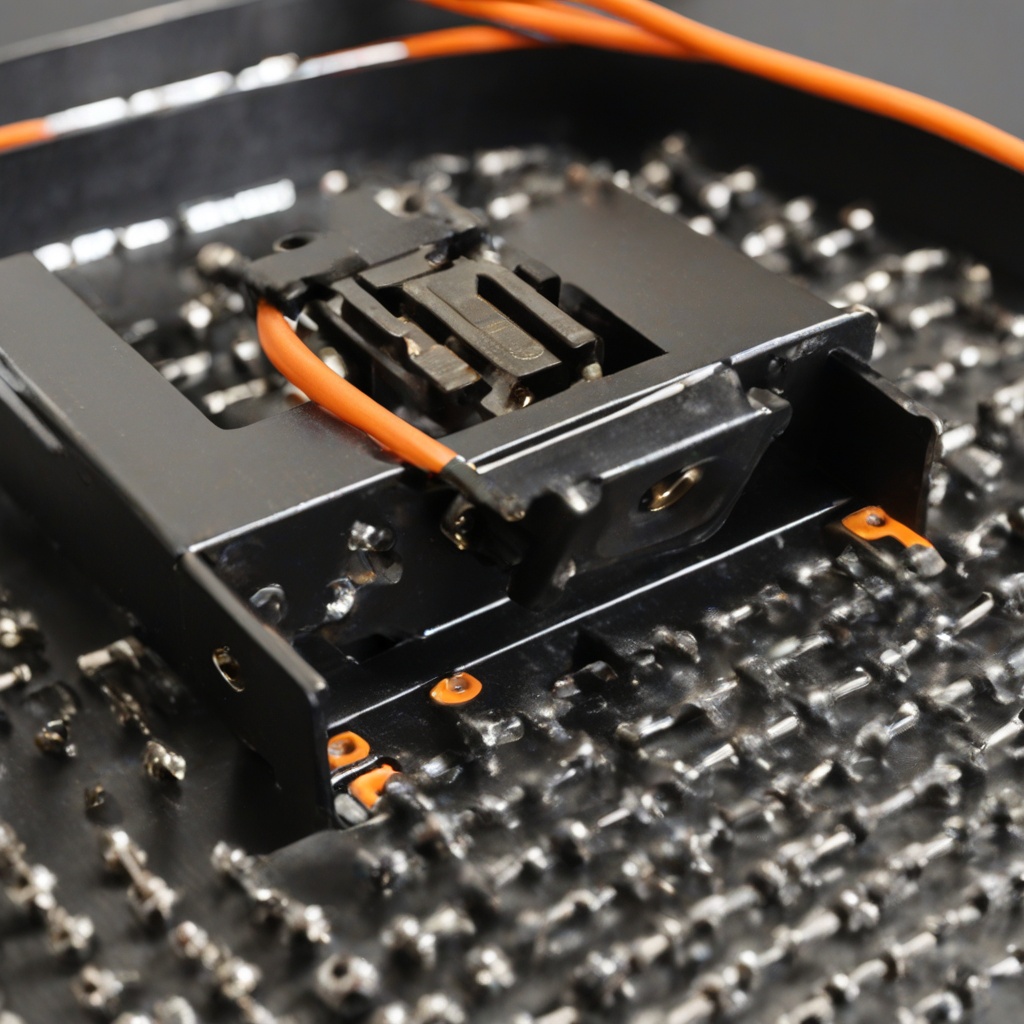
True modularity begins with a robust physical and digital interface. Our engineers at Autoabode have moved beyond simple mechanical mounting to develop a standardized docking system for our BotBit UAV series. This system features a MIL-STD-83513 derived connector that handles power (28V DC, 15A max), high-speed data (Gigabit Ethernet and CAN bus), and low-latency video feeds simultaneously. The mechanical latch ensures a secure connection even under 5G manoeuvres, with an average swap time of under 90 seconds in field conditions reported by our users. The interface is designed for blind mating, allowing operators to change payloads without visual confirmation—a critical feature for night operations or in confined spaces. This hardware foundation must also manage thermal loads; for instance, our high-power synthetic aperture radar (SAR) payloads dissipate up to 120W of heat, requiring integrated cooling channels in the docking station.
The digital layer is equally crucial. Each payload contains an embedded microcontroller that communicates its identity, power requirements, data formats, and health status to the UAV's core flight computer upon connection. This handshake uses a lightweight version of the MAVLink protocol, extended with custom messages for payload-specific commands. For example, when a hyperspectral imager is docked, the system automatically reconfigure the flight software to support precise geo-tagging and spectral band selection. This plug-and-recognize architecture eliminates manual software configuration, reducing the potential for human error. In Autoabode's production trials, this system has successfully managed over 50 consecutive hot-swap cycles without a single communication fault, demonstrating reliability for sustained multi-role missions.
Autoabode's standard payload interface reduces mission reconfiguration time from hours to under 90 seconds, a 98% efficiency gain critical for rapid-response scenarios.
- Standardized Docking Connector: MIL-STD-83513 type, 28-pin, supporting 28V/15A power, GigE, CAN bus, and dual HD-SDI video streams.
- Mechanical Latch System: Tool-less, quick-release mechanism with positive lock confirmation and vibration damping up to 10 Grms.
- Thermal Management: Integrated aluminium heat sink and optional Peltier cooler support for payloads exceeding 100W thermal design power (TDP).
- Digital Handshake Protocol: Extended MAVLink payload discovery delivering full device profile (ID, version, resource needs) in under 200ms.
- Power Sequencing & Protection: Smart load management with over-current, over-voltage, and reverse-polarity protection on all rails.
Sensor Fusion and Data Management
Integrating Multi-Source Data for Coherent Intelligence
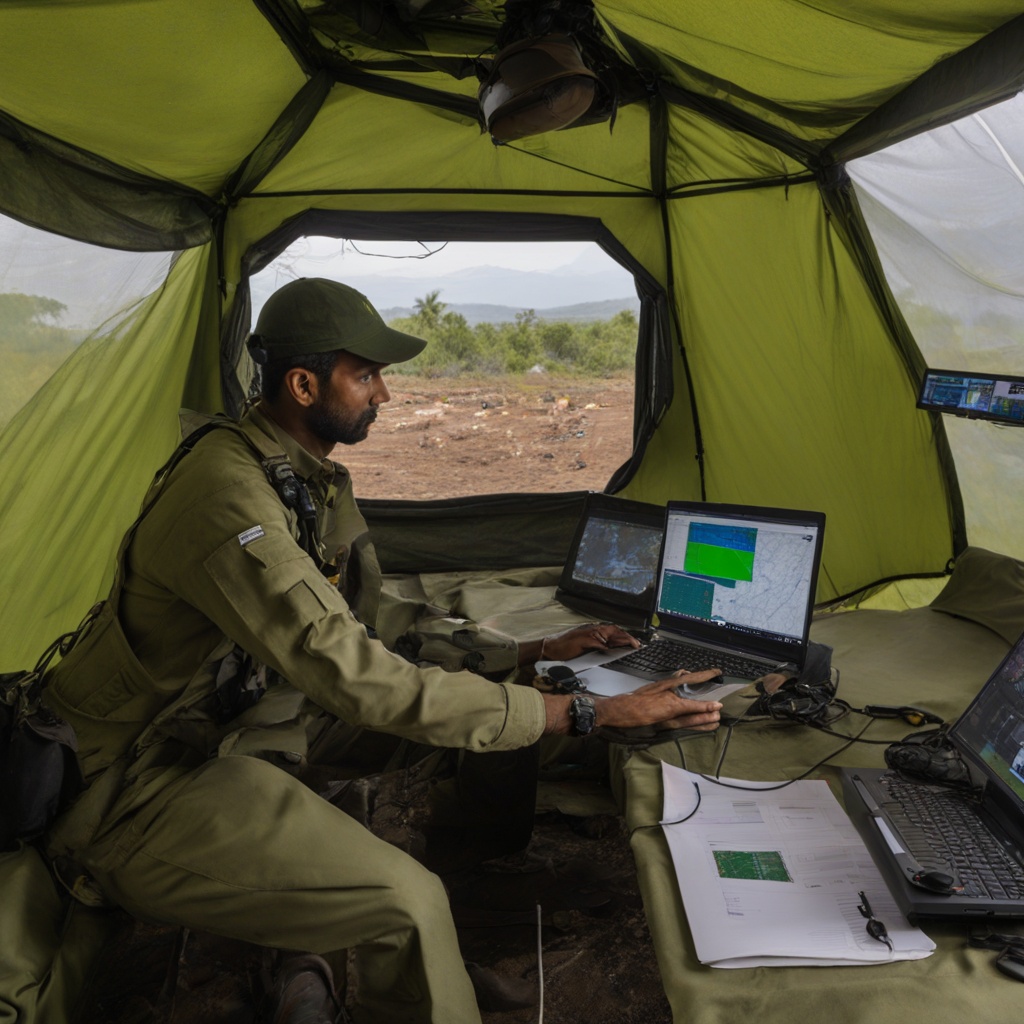
The real power of modular UAV payloads for multi-role missions is unlocked not by carrying multiple sensors, but by fusing their data into a single, actionable intelligence picture. A mission may begin with a wide-area electro-optical (EO) scan, switch to a LiDAR payload for 3D mapping of a specific structure, and finally employ a signals intelligence (SIGINT) package to detect electronic emissions—all from the same flight. The challenge is correlating this spatially and temporally disparate data. Autoabode's mission computer uses a time-synchronization protocol that stamps all sensor data—imagery, point clouds, RF signals—with GNSS-time with nanosecond accuracy, ensuring perfect alignment in post-processing. Our clients, including DRDO, report that this fused data output reduces target identification time by 70% compared to analysing separate sensor feeds.
Onboard processing is key to managing the data deluge. A modular bay can accommodate a dedicated processing payload, such as an NVIDIA Jetson Orin-based module, for real-time analytics. This allows for in-flight change detection between EO passes, or immediate classification of radio frequency signals by the SIGINT payload, sending only alerts and compressed metadata to the ground control station (GCS). This edge-computing approach is vital for bandwidth-constrained operations, as transmitting raw 4K video or full LiDAR point clouds in real-time is often impractical. The system's data bus, capable of 1.2 Gbps sustained throughput, ensures that no sensor is ever data-starved. This architecture turns the UAV from a simple data collector into a flying analysis node, a concept central to our integrated counter-drone system where rapid sensor fusion is required for threat assessment.
The Indian Operational Context and Autoabode's Solutions
The strategic need for versatile, indigenously developed UAV systems in India has never been greater. Programs under the 'Make in India' initiative and the Defence Acquisition Procedure (DAP) 2020 emphasize self-reliance and operational flexibility—principles that modular payload systems embody perfectly. The DGCA's UAS Rules 2021 further create a framework for certified commercial and industrial applications, from infrastructure inspection to precision agriculture, all requiring different sensor suites. Autoabode's development of modular payloads is directly informed by the multi-domain requirements of Indian defence and paramilitary forces. For instance, a single BotBit UAV platform can be configured for border surveillance with a 30x zoom EO/IR gimbal, switched to a communications relay payload for extended-range patrols, or fitted with a loudspeaker/payload drop module for crowd management or disaster relief—all using the same airframe and ground support equipment.
Our integration philosophy extends to manufacturing. The precision mechanical parts for our payload adapters and housings are often produced in-house using our SinterX Pro SLS printer, allowing for rapid iteration of custom geometries with tensile strengths exceeding 50 MPa. This agile prototyping capability, supported by our rapid prototyping services, lets us quickly develop payloads for specific client needs, such as a specialized gas sensor array for industrial leak detection or a calibrated multispectral camera for the PLI Scheme-promoted drone agriculture sector. Furthermore, the modular ecosystem complements our broader portfolio of unmanned systems, including the UGV Interceptor, enabling cross-platform payload sharing and simplifying logistics. By standardizing interfaces and leveraging indigenous manufacturing, Autoabode delivers systems that meet the stringent reliability and adaptability demands of Indian strategic programs while ensuring full lifecycle support.
Frequently Asked Questions
Q: What is the average weight and size of a modular UAV payload?
A: The weight and size vary significantly by function, but Autoabode's standard modular bay is designed for payloads up to 3.5 kg and dimensions of 250mm x 200mm x 150mm. This envelope accommodates most mission-critical sensors. For example, our high-res EO/IR gimbal weighs 2.8 kg, while a lightweight LiDAR scanner comes in at 1.9 kg. The docking system itself adds only 350 grams. It's crucial to balance payload weight against flight endurance; every 500-gram increase typically reduces flight time by 6-8 minutes on a mid-size UAV like our BotBit 8H. Our design prioritizes a low centre-of-gravity mount to maintain stable flight characteristics regardless of the payload installed.
Q: How difficult is it to develop a custom payload for a modular system?
A: Developing a custom payload is streamlined if the manufacturer provides a comprehensive Interface Control Document (ICD). At Autoabode, we provide clients with a physical reference adapter, communication protocol libraries, and power supply test kits. The primary challenges are mechanical integration to withstand vibration (meeting RTCA DO-160G standards) and software integration for proper data handshake. For clients without in-house expertise, our engineering team offers full integration services. We often use our Duper XL FDM and SLS printers to prototype custom housings and brackets, turning a concept into a flight-ready unit in as little as 3-4 weeks, depending on sensor complexity and certification requirements.
Q: Can modular payloads be swapped during a single flight mission?
A: While true mid-air swapping remains a complex R&D area, the current practical standard is rapid ground-based swapping between mission segments. Autoabode's hot-swap system enables this in under two minutes. For a single flight to perform multiple roles, the solution is a multi-payload carrier that houses several smaller sensors (e.g., a EO camera, a laser rangefinder, and a SIGINT antenna) and activates them sequentially. Our UAV avionics can manage power and data for up to four such sub-payloads simultaneously. True in-flight mechanical swapping would require advanced robotic systems, significantly increasing cost, weight, and failure points, and is not yet operationally viable for most tactical missions.
Q: Are modular payload systems more expensive than fixed-payload drones?
A: The initial acquisition cost for a modular platform is typically 15-25% higher due to the sophisticated interface hardware, enhanced flight controller, and more complex software. However, the Total Cost of Ownership (TCO) is almost always lower. Instead of purchasing three separate drones for surveillance, mapping, and delivery, one modular platform can fulfil all roles. This reduces costs for training, maintenance, spare parts, and logistics. Over a 5-year lifecycle, our analysis for defence clients shows a TCO reduction of 40-60%. Furthermore, the system future-proofs your investment; a new sensor technology only requires a new payload module, not an entirely new UAV, protecting your capital from rapid obsolescence.
The evolution towards modular UAV payloads for multi-role missions represents a fundamental shift from platform-centric to payload-centric operations. This paradigm prioritizes mission outcome over hardware, offering unmatched flexibility and cost-effectiveness for defence, security, and industrial applications. As sensor technology advances and data fusion algorithms become more sophisticated, the value of a standardized, agile interface will only grow. Autoabode is committed to advancing this technology within the framework of India's self-reliance goals, developing robust systems that meet the rigorous demands of our nation's strategic sectors. By investing in a modular ecosystem, organizations can ensure their UAV capabilities remain relevant and potent for the next decade of challenges. To discuss integrating a modular payload solution for your specific operational needs, contact Autoabode's engineering team today.
Frequently Asked Questions
The weight and size vary significantly by function, but Autoabode's standard modular bay is designed for payloads up to 3.5 kg and dimensions of 250mm x 200mm x 150mm. This envelope accommodates most mission-critical sensors. For example, our high-res EO/IR gimbal weighs 2.8 kg, while a lightweight LiDAR scanner comes in at 1.9 kg. The docking system itself adds only 350 grams. It's crucial to balance payload weight against flight endurance; every 500-gram increase typically reduces flight time by 6-8 minutes on a mid-size UAV like our BotBit 8H. Our design prioritizes a low centre-of-gravity mount to maintain stable flight characteristics regardless of the payload installed.
Rohan Sharma
Head of Avionics & Payload Systems, Autoabode · Autoabode Consumer Electronics Pvt. Ltd.
Expert author at Autoabode — writing at the intersection of industrial 3D printing, defence manufacturing, and advanced UAV systems. Based in New Delhi, India.
Explore Autoabode's Platforms
This article is part of Autoabode's technical journal. Learn more about our core platforms built in India for defence, aerospace, medical and industrial teams:
More from the Journal
Off-Grid Communication Solutions for Mountainous Terrain: An Engineering Field Guide for India's High-Altitude Operators
Off-grid communication solutions for mountainous terrain are not optional in India — they are the difference between a coordinated operation and a stranded section. This engineering field guide breaks down the radio physics that defeats conventional VHF/UHF in the Himalayas, the mesh architectures that survive ridge-line shadowing, and the cold-weather, power-budget and security trade-offs that determine whether a system delivers in the Karakoram and Western Ghats. Built around real deployment data from Autoabode's MeshVani encrypted communicator and MeshVani Relay platform in service with the Indian Army, ITBP, NDRF and high-altitude expedition teams.
Technology · 7 min readHow to Set Up a Bioprinting Lab for Tissue Engineering in India
A complete guide to establishing a bioprinting lab for tissue engineering in India, covering equipment, regulations, and integration with Make in India initiatives for advanced medical research.