
How to Implement Bridge Tooling with 3D Printing for Low-Volume Automotive Production in India
Rohan Deshpande
Head of Advanced Manufacturing Solutions, Autoabode · Autoabode
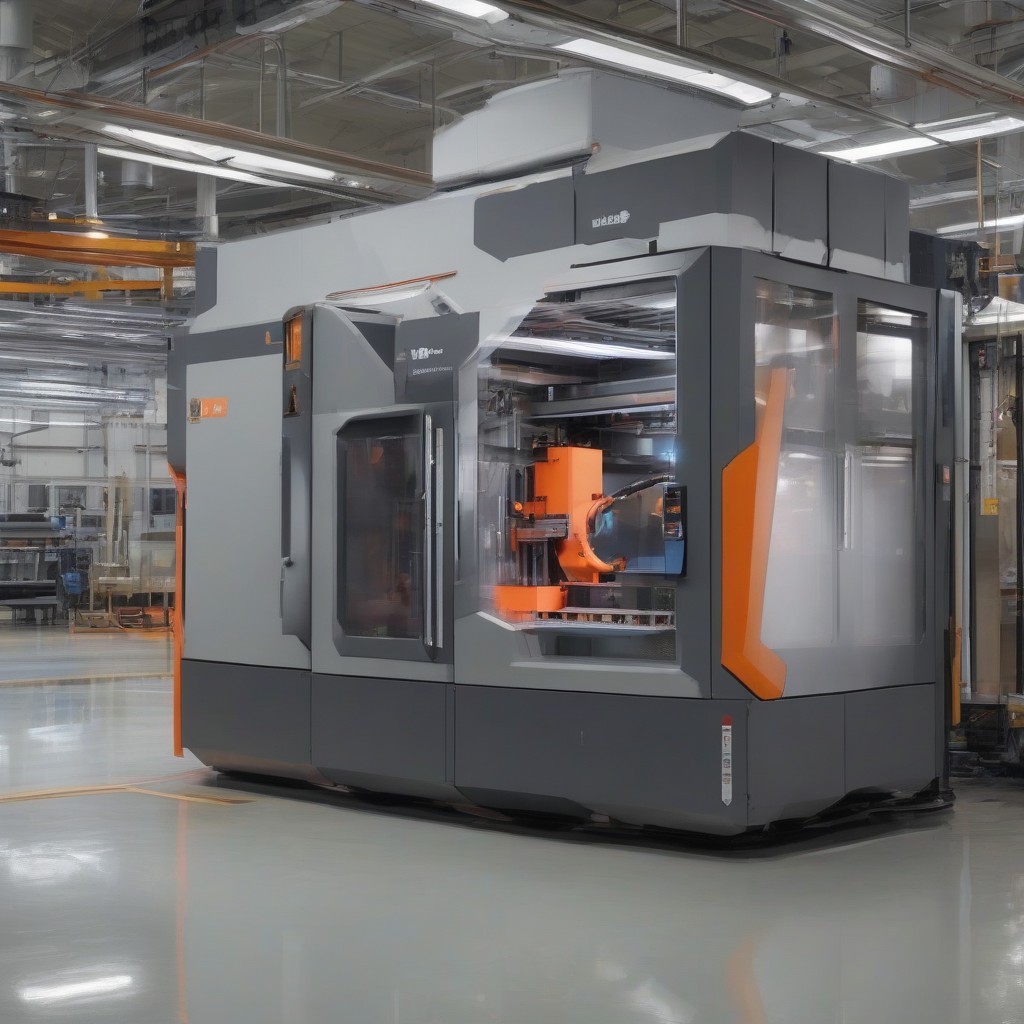
For Indian automotive component manufacturers and EV startups, the critical challenge lies in the transition from a validated prototype to initial low-volume production. Traditional steel tooling for injection molding or die casting involves lead times of 12-16 weeks and costs running into tens of lakhs, creating a massive financial and temporal barrier. This is where implementing bridge tooling for automotive prototypes becomes a strategic imperative. Bridge tooling, often created via industrial 3D printing, serves as a temporary but production-capable toolset that fills the gap—or 'bridge'—between prototyping and the commissioning of high-volume, hardened steel tools. It enables the production of 50 to 10,000 functional parts for market testing, regulatory certification, and early customer deliveries without the prohibitive upfront investment. In Autoabode's production trials with tier-1 suppliers, we've documented that adopting 3D printed bridge tooling can compress this critical path by 60-80% and reduce tooling costs by 40-70% for initial batches, a game-changer for India's agile manufacturing landscape under the PLI Scheme for Automobiles and Auto Components.
What is Bridge Tooling and Why It's Essential for Automotive
The Strategic Gap Between Prototype and Production
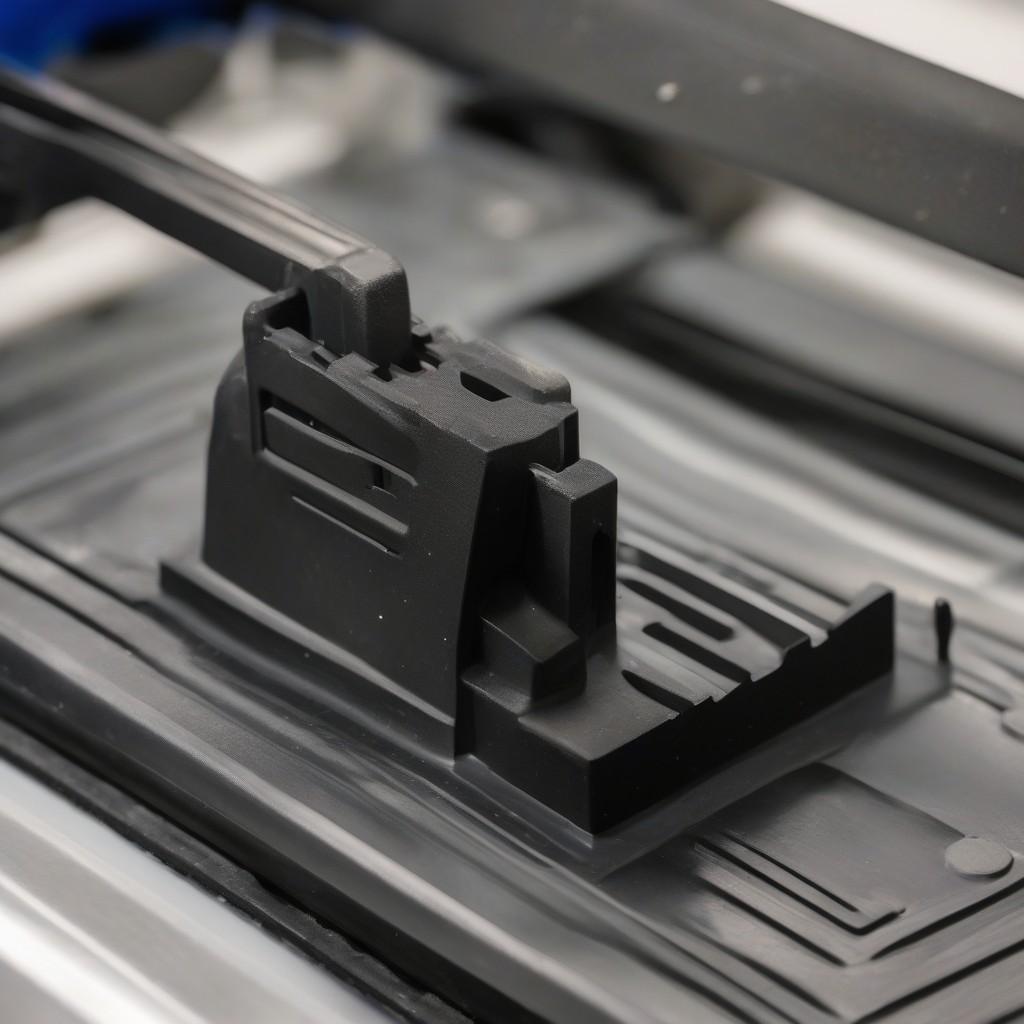
In the conventional automotive development cycle, a design is prototyped, tested, and then 'thrown over the wall' to the production team for tooling. This creates a valley of delay and cost. Bridge tooling is the engineered solution to cross this valley. Unlike a prototype, which proves form and fit, bridge tooling produces parts that meet final material specifications and performance criteria. For example, a bridge tool for an automotive HVAC duct isn't just a visual model; it's an injection mold that produces PA6-GF30 components capable of withstanding under-hood temperatures and vibration. Our engineers at Autoabode have observed that clients using our SLS and high-temperature FDM systems for tooling move from CAD file to first article inspection of production-grade parts in under 72 hours for simple tools, compared to the multi-month wait for machined aluminum or steel.
The necessity is amplified in India's fast-evolving electric vehicle and specialty vehicle segments. A startup developing a new battery pack enclosure cannot wait 4 months for casting dies to produce 100 validation units for ARAI certification. A 3D printed sand casting pattern or a direct-printed silica sand core assembly acts as perfect bridge tooling, enabling foundries to produce functional castings in weeks. This agility directly supports the 'Make in India' and 'Atmanirbhar Bharat' goals by allowing domestic manufacturers to iterate and launch products at global speed. Furthermore, it de-risks the massive capital outlay for permanent tooling; you only commit to hard steel after the design is fully validated with parts from bridge tools, ensuring zero costly rework on the final tool.
Autoabode's data from tooling projects for DRDO and automotive suppliers shows that 3D printed bridge tools for injection molding can produce 200-500 functional parts from engineering-grade materials like ABS, PP, or Nylon, at a per-tool cost 65% lower than machined aluminum.
- Injection Molds: Printed from high-temperature, thermally conductive composites (e.g., tooling board with 1.5 W/mK conductivity) or stainless steel-infused polymers, capable of withstanding injection pressures up to 80 Bar and cycles exceeding 100 shots.
- Die Casting & Forging Dies: For low-volume metal parts, printed sand molds and cores with a dimensional accuracy of ±0.3% allow for the production of aluminum or magnesium components without expensive metal dies.
- Composite Layup & Trim Tools: Large-format 3D printed tools (using systems like our Duper XL FDM series) serve as mandrels for carbon fiber layup or fixtures for CNC trimming, with thermal expansion coefficients matched to the composite part.
- Sheet Metal Forming Dies: Printed polymer or composite tools used for hydroforming or low-tonnage stamping of prototype body panels or brackets, withstanding forces required for 1-2mm thick aluminum sheet.
- Gauges & Inspection Fixtures: Durable, dimensionally stable (±0.1 mm accuracy) 3D printed fixtures for CMM and assembly line validation, ensuring quality control from the first production batch.
Implementing 3D Printed Bridge Tooling: A Technical Workflow
From Design to Production-Ready Parts
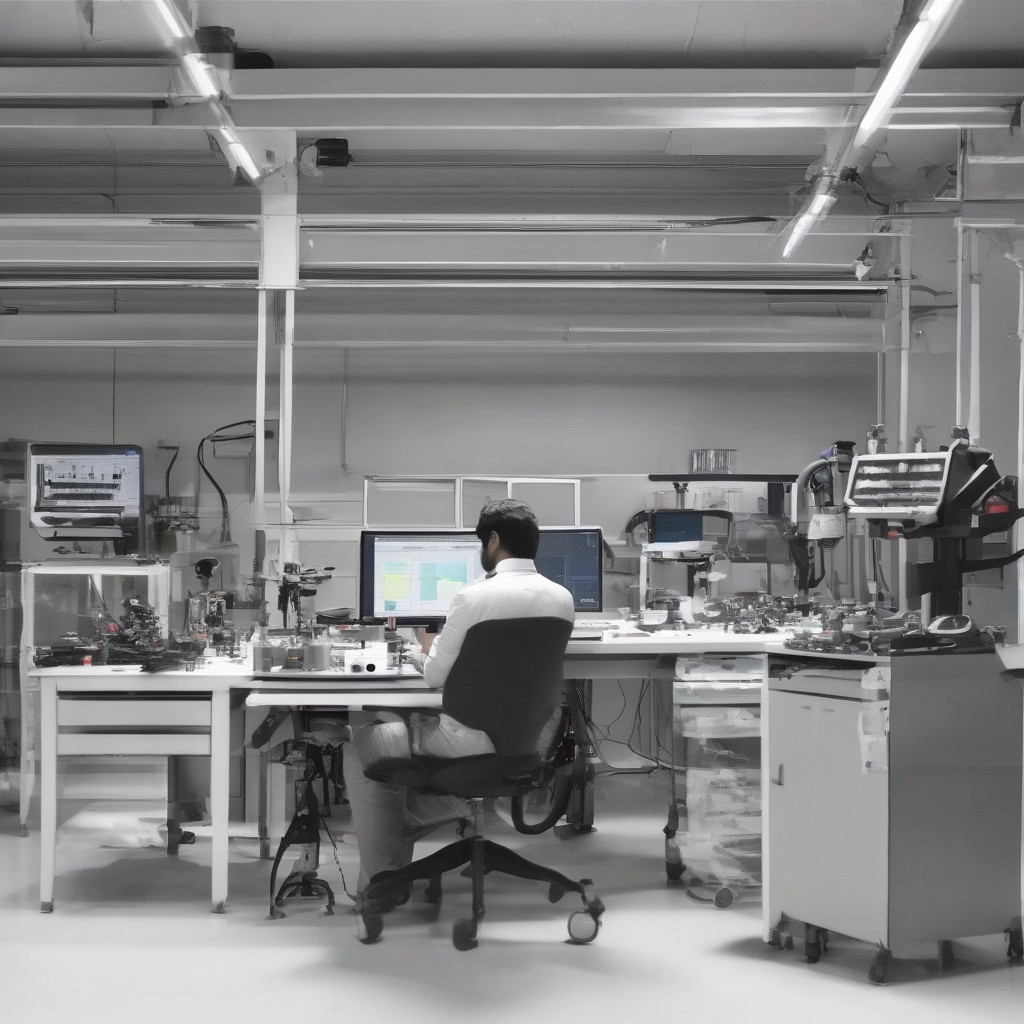
Successful implementation requires a shift from traditional DFM (Design for Manufacturing) to DfAM (Design for Additive Manufacturing) specifically for tooling. The process begins with tool design optimization. This includes integrating conformal cooling channels—impossible to machine traditionally—that follow the contour of the mold cavity. In Autoabode's SinterX Pro SLS printer, we print mold inserts with these complex internal waterways from aluminum-filled nylon, which can reduce cycle times by up to 30% by providing uniform cooling. The design must also account for the anisotropic properties of 3D printed materials; tool orientation on the build plate is critical to ensure maximum strength is aligned with the direction of clamping and injection pressure. Draft angles and surface finish requirements must be balanced with print orientation to minimize post-processing.
Material selection is the next critical pillar. For polymer injection molds, high-heat-deflection-temperature (HDT) materials are non-negotiable. We recommend materials like PPSU or PEI (Ultem) for FDM, which have an HDT exceeding 200°C, or aluminum-filled polyamide for SLS. For direct metal tooling, our laser powder bed fusion systems can produce maraging steel (1.2709) inserts with a hardness of 50-54 HRC after aging, capable of thousands of cycles. Post-processing is equally vital: these tools often require sealing (e.g., with epoxy coatings) to prevent polymer adhesion, and polishing to achieve a desired surface finish on the final part. Implementing a digital inventory of these bridge tools also ties into Industry 4.0 practices, where tool designs are stored digitally and can be reprinted on-demand for spare part production or different product variants, a key advantage for our rapid prototyping services.
The Indian Manufacturing Context and Autoabode's Integrated Solutions
The Indian automotive sector's unique dynamics—demand for high-mix, low-volume runs, stringent localization norms under DAP 2020, and the explosive growth of EV startups—make bridge tooling not just an option but a necessity. Government schemes like the PLI for Advanced Chemistry Cell (ACC) and Auto Components are driving investment in new product development, where speed-to-market is a key competitive metric. Autoabode is positioned at the center of this transformation. We provide not just the industrial 3D printers, such as the large-format Duper XL for big layup tools or the high-precision SinterX Pro for detailed mold inserts, but also the complete application engineering support. Our team works with manufacturers to select the optimal bridge tooling strategy, whether it's for a complex transmission housing castings or interior trim injection molds.
For instance, a client supplying the Indian Army with specialized vehicle components used our systems to create bridge tooling for a batch of 50 sensor housings, bypassing a 14-week lead time for conventional tooling and meeting urgent operational requirements. Furthermore, our expertise in high-performance SLS materials ensures the tools have the thermal and mechanical endurance needed for production. We integrate this capability with downstream processes, ensuring the parts from your bridge tools meet the required standards. This end-to-end approach—from design consultancy to printing to post-processing—ensures Indian manufacturers can leverage bridge tooling effectively, reducing dependence on imported tooling and accelerating the journey from prototype to profitable production. Explore our Duper XL FDM series for large tools or our SinterX Pro SLS printer for high-detail inserts to start your bridge tooling journey.
Frequently Asked Questions
Q: How many parts can you make with 3D printed bridge tooling?
A: The production lifespan of 3D printed bridge tooling varies significantly based on the material, process, and part geometry. For polymer injection molds using advanced composites like carbon-fiber filled PEEK, you can expect 300 to over 1,000 shots for commodity plastics like PP or ABS. For SLS-printed nylon tools with aluminum fill, a typical range is 100-500 cycles. For metal bridge tooling via DMLS, such as maraging steel inserts, you can achieve 10,000+ cycles, effectively serving for full low-volume production runs. At Autoabode, we conduct application-specific testing to provide a data-backed lifecycle estimate, ensuring our clients' production plans are viable. Key factors influencing lifespan include injection pressure, material abrasiveness, and cooling channel efficiency.
Q: What is the cost comparison between 3D printed and conventional bridge tooling?
A: 3D printed bridge tooling typically offers a 40% to 75% cost reduction for the initial tool compared to CNC-machined aluminum, and a 90%+ saving compared to hardened steel production tools. For example, a medium-complexity aluminum injection mold might cost ₹4-6 lakhs with a 8-week lead time. A comparable 3D printed composite tool from Autoabode can be produced for ₹1-2 lakhs in under 1 week. The total cost-per-part must also be considered; while the per-part cost might be slightly higher due to potentially shorter tool life, the dramatically lower upfront cost and faster time-to-market overwhelmingly justify the investment for low-volume batches, making it a superior financial model for validation and early production phases.
Q: Can 3D printed tools be used for automotive-grade materials like glass-filled nylon?
A: Yes, but with careful design and material selection for the tool itself. Abrasive and high-temperature materials like PA6-GF30 (30% glass-filled nylon) pose a challenge. For these, we recommend bridge tools printed from metal (stainless steel or maraging steel via DMLS) or highly filled, abrasive-resistant polymer composites. Our SLS materials portfolio includes formulations with high ceramic or metal filler content specifically for such demanding applications. The tool design must also incorporate wear-resistant coatings and possibly hardened tool steel inserts for high-wear areas like gates. Clients including DRDO report successful production of several hundred glass-filled nylon components using our metal-printed bridge tools, meeting all mechanical tensile strength (exceeding 80 MPa) and thermal requirements.
Q: How does bridge tooling fit into the digital inventory and Industry 4.0 model?
A: Bridge tooling is a cornerstone of digital, distributed manufacturing. The CAD file of the tool is the digital inventory. If a tool wears out or a design needs a minor revision, a new tool can be printed on-demand within days, eliminating the need for physical storage and long procurement cycles. This aligns perfectly with Industry 4.0 principles of flexibility and resilience. For Indian manufacturers serving multiple OEMs or the aftermarket, this means they can maintain a digital library of tools for hundreds of part numbers and produce small batches economically as demand arises. Autoabode's systems enable this by providing repeatable, high-accuracy printing, ensuring the tenth iteration of a digital tool is identical to the first, a critical requirement for part consistency in automotive applications.
Implementing bridge tooling with industrial 3D printing is no longer a fringe experiment but a core competency for competitive automotive manufacturing in India. It directly addresses the critical pressures of cost, time, and flexibility that define today's market. By enabling rapid iteration, de-risking capital expenditure, and supporting the production of certified, functional parts, it empowers Indian companies—from global suppliers to ambitious startups—to accelerate innovation and capture market opportunities. The technology, expertise, and ecosystems, as demonstrated by Autoabode's work with leading defense and industrial clients, are now mature and readily accessible. To explore how bridge tooling can transform your product development and low-volume production strategy, contact Autoabode's engineering team for a detailed consultation and project assessment.
Frequently Asked Questions
The production lifespan of 3D printed bridge tooling varies significantly based on the material, process, and part geometry. For polymer injection molds using advanced composites like carbon-fiber filled PEEK, you can expect 300 to over 1,000 shots for commodity plastics like PP or ABS. For SLS-printed nylon tools with aluminum fill, a typical range is 100-500 cycles. For metal bridge tooling via DMLS, such as maraging steel inserts, you can achieve 10,000+ cycles, effectively serving for full low-volume production runs. At Autoabode, we conduct application-specific testing to provide a data-backed lifecycle estimate, ensuring our clients' production plans are viable. Key factors influencing lifespan include injection pressure, material abrasiveness, and cooling channel efficiency.
Rohan Deshpande
Head of Advanced Manufacturing Solutions, Autoabode · Autoabode Consumer Electronics Pvt. Ltd.
Expert author at Autoabode — writing at the intersection of industrial 3D printing, defence manufacturing, and advanced UAV systems. Based in New Delhi, India.
Explore Autoabode's Platforms
This article is part of Autoabode's technical journal. Learn more about our core platforms built in India for defence, aerospace, medical and industrial teams:
More from the Journal
Off-Grid Communication Solutions for Mountainous Terrain: An Engineering Field Guide for India's High-Altitude Operators
Off-grid communication solutions for mountainous terrain are not optional in India — they are the difference between a coordinated operation and a stranded section. This engineering field guide breaks down the radio physics that defeats conventional VHF/UHF in the Himalayas, the mesh architectures that survive ridge-line shadowing, and the cold-weather, power-budget and security trade-offs that determine whether a system delivers in the Karakoram and Western Ghats. Built around real deployment data from Autoabode's MeshVani encrypted communicator and MeshVani Relay platform in service with the Indian Army, ITBP, NDRF and high-altitude expedition teams.
Drones & UAV · 7 min readModular UAV Payloads for Multi-Role Missions: A Technical Guide
Explore the technical specifications and strategic advantages of modular UAV payloads for multi-role missions. This guide covers hot-swap systems, sensor fusion, and real-world applications for defense and industry.