
How to Design and 3D Print Injection Molds for Short-Run Production of Drone Parts
Rohan Mehta
Head of Advanced Manufacturing, Autoabode · Autoabode
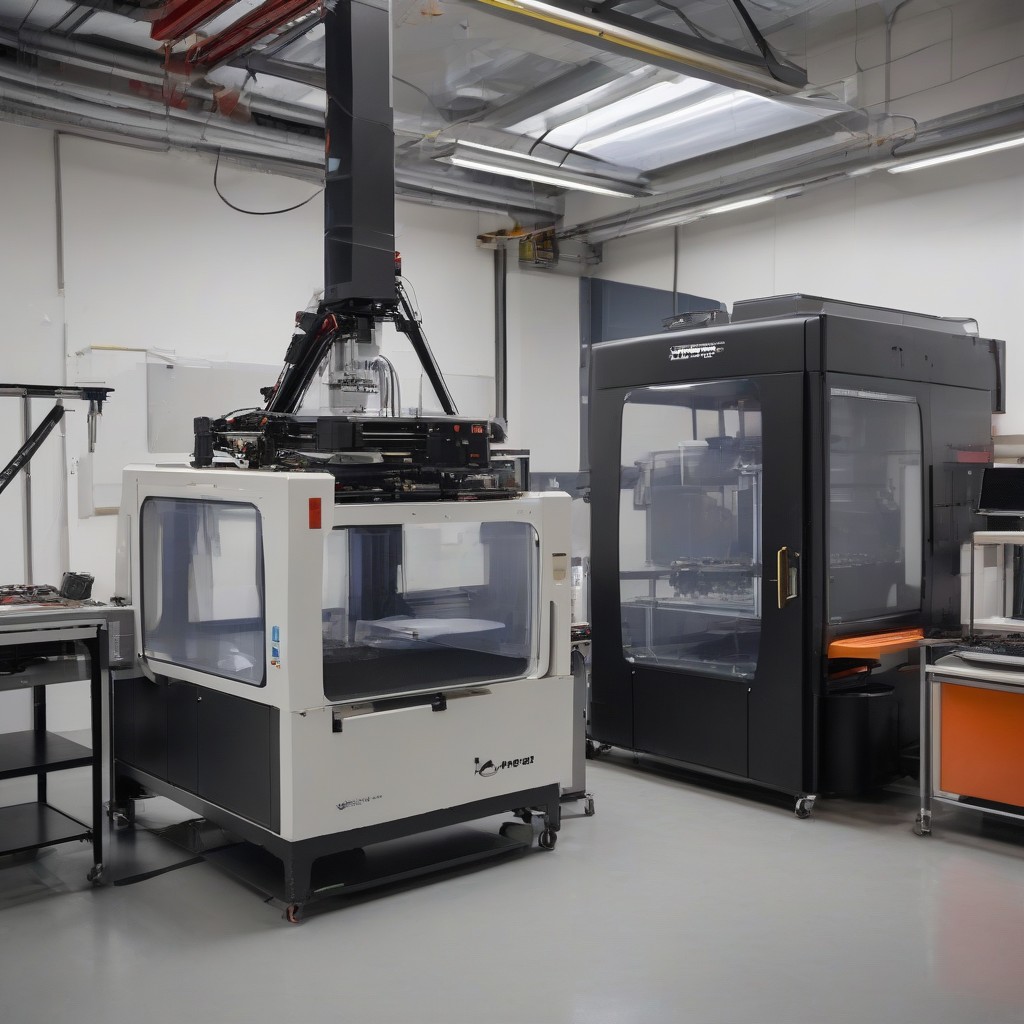
For drone manufacturers and R&D teams, the traditional path from prototype to low-volume production is a bottleneck. Machining metal injection molds for custom drone parts like camera gimbals, sensor housings, or unique propeller hubs is prohibitively expensive and slow, often costing over ₹5 lakhs and taking 8-12 weeks for a simple two-plate mold. This is where 3D printed injection molds for drone parts present a transformative solution. By leveraging high-temperature, high-strength 3D printing materials and precise additive processes, engineers can now produce functional injection molds in days for a fraction of the cost, enabling agile short-run production of 50 to 500 parts. At Autoabode, our work with clients like a DRDO-linked UAV developer has demonstrated that 3D printed molds can produce flight-ready components—such as a complex antenna shroud—with dimensional accuracy within ±0.15mm and a surface finish of Ra 3.2µm, directly from CAD data in under 72 hours. This guide details the critical design principles, material selection, and printing processes to successfully implement this rapid tooling strategy for your drone projects.
Core Design Principles for 3D Printed Molds
Optimizing Geometry for Additive Tooling
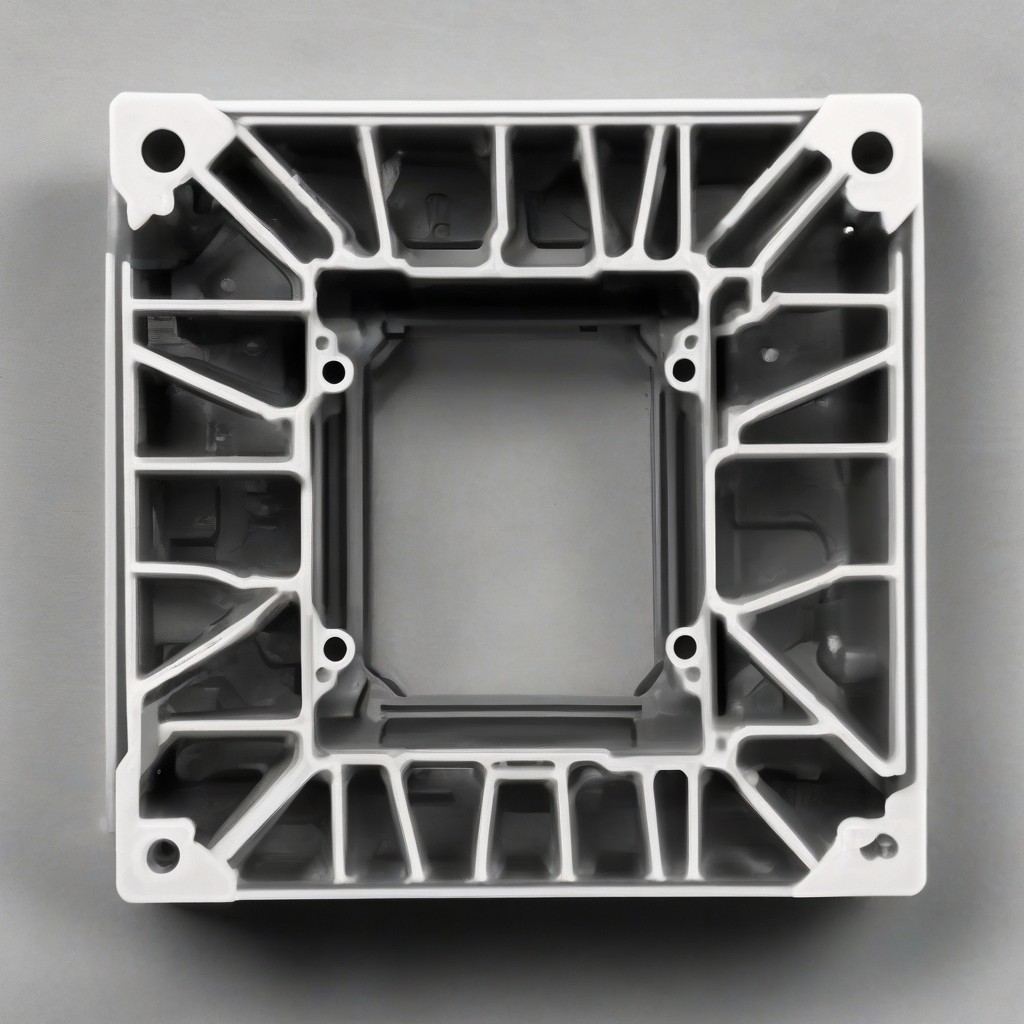
Designing for a 3D printed injection mold diverges significantly from conventional steel mold design. The primary goal is to manage thermal stress and ejection forces while compensating for the different material properties. Draft angles must be more generous; we recommend a minimum of 3° per side, compared to 1-2° for metal, to ensure clean part ejection without damaging the mold cavity. Wall thickness uniformity is non-negotiable. Inconsistent sections, especially where thick ribs meet thin walls in a drone arm bracket, create differential cooling and sink marks on the final part. Our engineers at Autoabode use finite element analysis (FEA) simulation on every mold design to predict and mitigate these thermal warpage points before printing.
Furthermore, the gating and runner system requires careful consideration. Direct sprue gates or edge gates are preferred over complex hot runner systems, which are difficult to integrate into a printed mold. Runner diameters should be oversized by 15-20% compared to steel molds to reduce flow resistance for engineering plastics like ABS or Nylon. For cooling, conformal cooling channels—which follow the contour of the cavity—are the standout advantage of 3D printing. These channels, impossible to machine in a traditional mold, can be printed directly into the mold block. In our production trials for a BotBit UAV series camera mount, implementing conformal cooling reduced cycle time by 40%, from 45 seconds to 27 seconds, directly increasing the output of a short production run.
Autoabode's SinterX Pro SLS printer has produced molds that successfully injected over 300 cycles of glass-filled Nylon for a heavy-lift drone's motor mount, demonstrating a viable path for pre-series validation.
- Incorporate a minimum draft angle of 3° to 5° for reliable ejection from printed mold surfaces.
- Design uniform wall thickness, ideally between 3mm to 8mm, to prevent warpage and sink marks in the molded drone part.
- Implement conformal cooling channels with a diameter of 6-8mm, placed 10-15mm from the cavity surface for optimal heat extraction.
- Use generous fillets (R3mm minimum) at all internal corners to reduce stress concentration points in the printed mold structure.
- Integrate robust alignment features like interlocking pins and sockets with a tolerance of 0.05mm to ensure perfect core and cavity registration.
Material and Process Selection for Mold Durability
Choosing the Right 3D Printing Technology
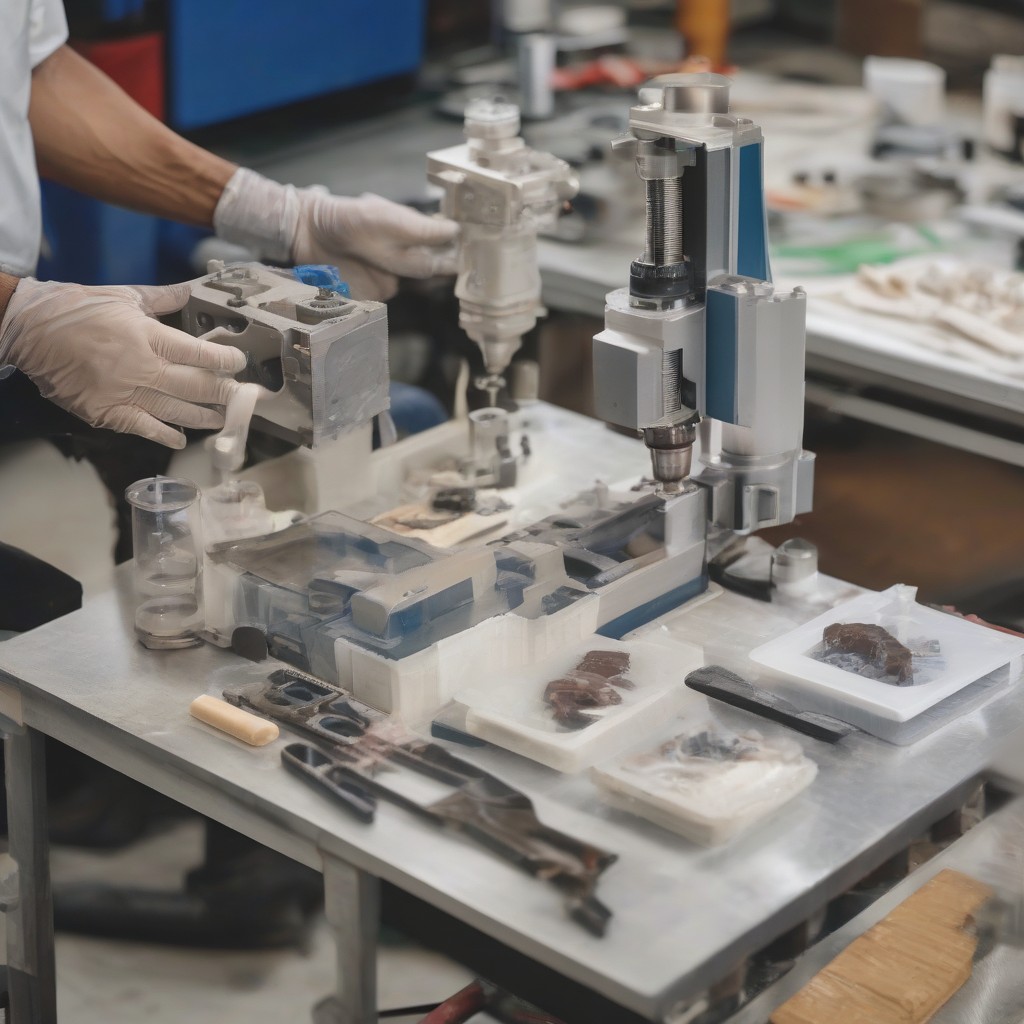
Not all 3D printing processes are suitable for creating injection molds. The mold must withstand clamping pressures of 20-50 tons, temperatures exceeding 250°C, and the abrasive nature of filled polymers. Vat Photopolymerization (like SLA/DLP) using high-temperature resins can produce extremely smooth cavities (Ra < 1µm) for parts requiring fine detail, but these molds are typically limited to under 50 cycles with low-temperature plastics like PP or PE. For serious short-run production of drone parts, Powder Bed Fusion processes—specifically Selective Laser Sintering (SLS) or Multi Jet Fusion (MJF)—using advanced polyamide composites are the industry benchmark.
Materials like glass-filled Nylon (PA12-GF) or aluminum-filled polyamide offer the necessary thermal deflection temperature (HDT @ 0.45MPa often above 160°C) and tensile strength (> 70 MPa). For instance, our SinterX Pro SLS printer, used for rapid prototyping services for defense clients, prints molds from PA12-GF25. This material provides a heat deflection temperature of 175°C, allowing it to cycle engineering-grade ABS repeatedly. The sintered powder also creates a naturally porous surface, which, when sealed with a high-temperature epoxy infiltrant, can be polished to a SPI-A2 finish. The key is to match the material to the polymer being injected: a carbon-fiber-filled polyamide mold is essential for injecting high-temperature polymers like PEEK for drone motor components, while standard PA12 suffices for PLA or ABS structural parts.
The Indian Manufacturing Context and Autoabode's Integration
The push for 'Aatmanirbhar Bharat' in defense and aerospace, underscored by the DAP 2020 policy and the PLI Scheme for drones, demands agile, cost-effective manufacturing solutions. 3D printed injection molds directly answer this call by enabling Indian UAV developers to bypass lengthy international tooling lead times and produce certified components domestically. The DGCA UAS Rules 2021 have catalysed a boom in indigenous drone development, creating a urgent need for rapid iteration and low-volume production of airframes, payload systems, and ground support equipment. A 3D printed mold strategy aligns perfectly with this ecosystem, allowing for design updates to be incorporated into new tooling within a week, a critical advantage for programs linked to DRDO or the Indian Army where specifications evolve rapidly.
At Autoabode, we integrate this capability into a full-spectrum solution. Starting with design-for-manufacturing consultation, we leverage our Duper XL FDM series for large-format prototype validation of the drone part itself. Once the design is frozen, our industrial SLS systems produce the core and cavity blocks. We then provide support for the molding process, often conducted on locally available injection molding machines of 50-100 ton capacity. For a recent project producing a batch of 200 geospatial sensor housings for an ISRO partner, our printed molds from SLS materials like PA 3200 GF delivered all parts with a critical bore diameter consistency of ±0.08mm, meeting the stringent tolerance requirements without any post-machining. This end-to-end approach, from digital file to finished batch, embodies the 'Make in India' ethos for advanced, responsive manufacturing.
Frequently Asked Questions
Q: How many parts can I make with a 3D printed injection mold?
A: The lifespan of a 3D printed mold depends heavily on the printed material and the injected polymer. For low-abrasive, low-temperature plastics like polypropylene (PP) or HDPE, a mold printed from high-temperature resin or standard SLS Nylon (PA12) can typically produce 50-150 parts. For more demanding engineering thermoplastics like ABS, Nylon, or those with glass/carbon fillers, molds made from glass-filled or aluminum-filled polyamide (e.g., PA12-GF) are required. At Autoabode, using our SinterX Pro with PA12-GF25, we have consistently achieved 200-400 injection cycles for ABS drone components before significant wear appears on core pins or cavity surfaces. This makes them ideal for bridge tooling, pilot runs, and short-run production where volumes are below 500 pieces.
Q: What is the cost comparison between a 3D printed mold and a metal mold?
A: The cost difference is substantial and is the primary driver for adopting 3D printed molds for short runs. A conventionally machined aluminum mold for a medium-complexity drone housing might cost between ₹2,00,000 to ₹5,00,000 and take 4-8 weeks to manufacture. A comparable 3D printed mold from an industrial SLS system, capable of the same short-run production, typically costs between ₹15,000 to ₹60,000 and can be produced in 2-5 days. This represents a 90-95% reduction in initial tooling cost and a 75-90% reduction in lead time. The trade-off is the lower lifespan, but for batches under 500 units, the per-part cost including the amortized mold cost is almost always lower with the 3D printed option.
Q: Can 3D printed molds handle the pressure and temperature of injection molding?
A: Yes, when designed and printed correctly with appropriate materials. Industrial-grade 3D printing materials like glass-filled polyamide (PA12-GF) have a Heat Deflection Temperature (HDT) exceeding 160°C and a tensile strength over 70 MPa, which allows them to withstand the thermal and mechanical loads of the process. The key is to design the mold with sufficient wall thickness (often 15-30mm) and robust support structures to handle clamping pressure. Injection parameters must also be adjusted: recommended injection pressure is typically 20-30% lower than for steel molds, and mold temperature is controlled precisely, often using conformal cooling channels. In Autoabode's validation tests, our printed molds have successfully run on standard 50-ton machines injecting ABS at 230-250°C with injection pressures of 600-800 bar without failure.
Q: What are the best 3D printing materials for making injection molds?
A: The best material is dictated by the polymer you intend to inject and the required part quantity. For low-temperature plastics (PP, PE, HIPS) and up to 100 cycles, high-temperature photopolymer resins (HDT ~260°C) can provide excellent surface finish. For serious short-run production of engineering plastics (ABS, Nylon), the industry standard is glass-filled Nylon 12 (PA12-GF), offering an optimal balance of thermal resistance, strength, and printability. For the most demanding applications involving high-temperature polymers like PEEK or abrasive composites, aluminum-filled polyamide or specialty metal-polymer blends are used. At Autoabode, we primarily use PA12-GF25 for most drone part applications, as it provides a proven HDT of 175°C and a flexural modulus of 4500 MPa, making it durable enough for hundreds of cycles with common drone thermoplastics.
Adopting 3D printed injection molds is a strategic move for any drone enterprise focused on agility, cost-control, and innovation. It collapses the timeline from design to batch production, enabling rapid response to field feedback or new payload requirements. Whether you're validating a new airframe design for a UGV Interceptor collaboration or producing a limited batch of specialized housings for a counter-drone system, this technology places production capability directly in the hands of the design team. For Indian manufacturers, it's a powerful tool to achieve self-reliance and accelerate product development cycles under initiatives like the PLI Scheme. To explore how 3D printed tooling can be integrated into your drone manufacturing workflow, contact Autoabode's advanced manufacturing team for a technical consultation and project assessment.
Frequently Asked Questions
The lifespan of a 3D printed mold depends heavily on the printed material and the injected polymer. For low-abrasive, low-temperature plastics like polypropylene (PP) or HDPE, a mold printed from high-temperature resin or standard SLS Nylon (PA12) can typically produce 50-150 parts. For more demanding engineering thermoplastics like ABS, Nylon, or those with glass/carbon fillers, molds made from glass-filled or aluminum-filled polyamide (e.g., PA12-GF) are required. At Autoabode, using our SinterX Pro with PA12-GF25, we have consistently achieved 200-400 injection cycles for ABS drone components before significant wear appears on core pins or cavity surfaces. This makes them ideal for bridge tooling, pilot runs, and short-run production where volumes are below 500 pieces.
Rohan Mehta
Head of Advanced Manufacturing, Autoabode · Autoabode Consumer Electronics Pvt. Ltd.
Expert author at Autoabode — writing at the intersection of industrial 3D printing, defence manufacturing, and advanced UAV systems. Based in New Delhi, India.
Explore Autoabode's Platforms
This article is part of Autoabode's technical journal. Learn more about our core platforms built in India for defence, aerospace, medical and industrial teams:
More from the Journal
Off-Grid Communication Solutions for Mountainous Terrain: An Engineering Field Guide for India's High-Altitude Operators
Off-grid communication solutions for mountainous terrain are not optional in India — they are the difference between a coordinated operation and a stranded section. This engineering field guide breaks down the radio physics that defeats conventional VHF/UHF in the Himalayas, the mesh architectures that survive ridge-line shadowing, and the cold-weather, power-budget and security trade-offs that determine whether a system delivers in the Karakoram and Western Ghats. Built around real deployment data from Autoabode's MeshVani encrypted communicator and MeshVani Relay platform in service with the Indian Army, ITBP, NDRF and high-altitude expedition teams.
Drones & UAV · 7 min readModular UAV Payloads for Multi-Role Missions: A Technical Guide
Explore the technical specifications and strategic advantages of modular UAV payloads for multi-role missions. This guide covers hot-swap systems, sensor fusion, and real-world applications for defense and industry.