
FDM with Carbon Fiber vs SLS Nylon for Drone Prototyping India
Rohan Mehta
Head of Aerospace Applications, Autoabode · Autoabode
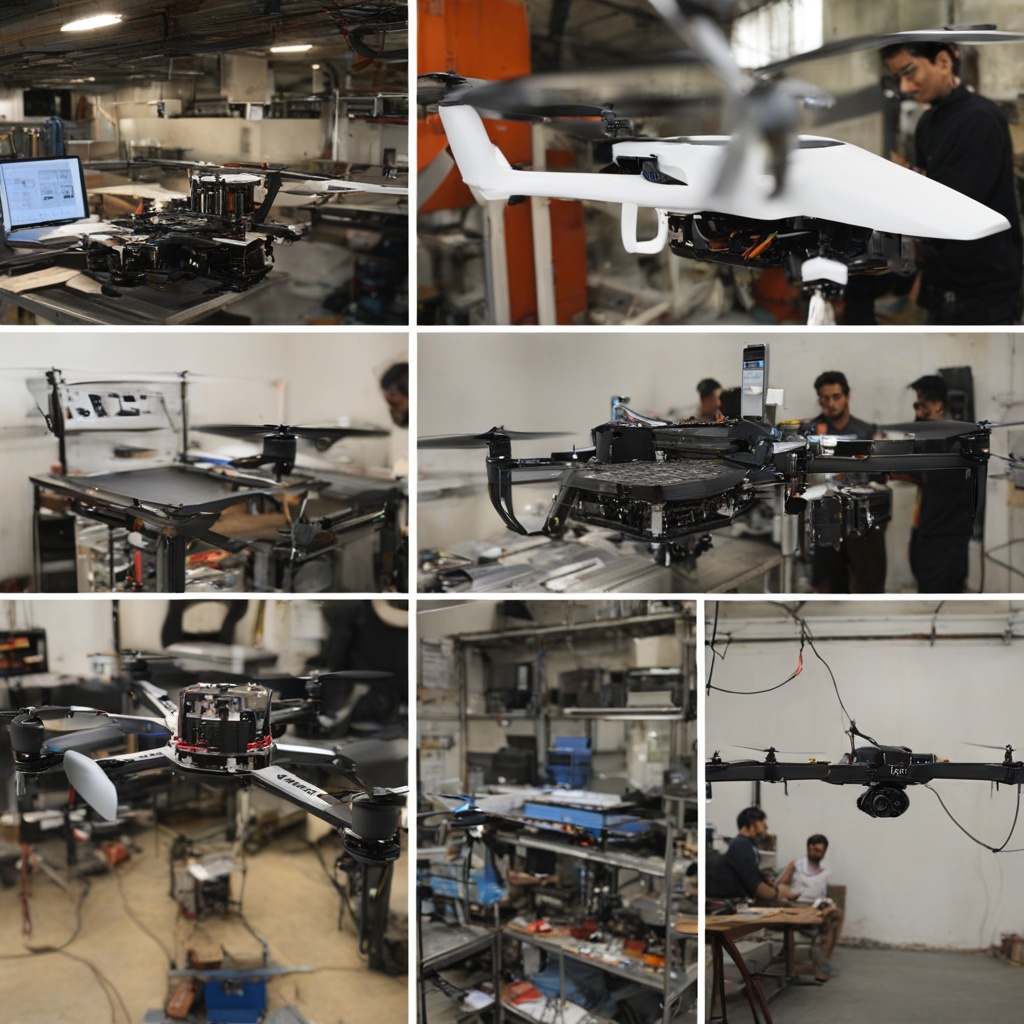
For Indian drone developers racing to meet DGCA UAS Rules 2021 and the PLI Scheme deadlines, the choice between FDM with carbon fiber and SLS nylon for drone prototyping is a critical technical and strategic decision. This isn't just about picking a material; it's about aligning your R&D process with the demanding performance, regulatory, and timeline requirements unique to the Indian aerospace and defence ecosystem. At Autoabode, where we supply UAV platforms to clients like the Indian Army and support ISRO projects, we've conducted extensive production trials comparing these technologies. The debate of FDM carbon fiber vs SLS nylon for drone prototyping hinges on a fundamental trade-off: the exceptional strength-to-weight ratio and conductive grounding of continuous fiber composites versus the isotropic strength, complex geometry capability, and superior surface finish of laser-sintered engineering thermoplastics. Each path dictates your prototype's validation speed, its ability to withstand harsh Indian environmental testing, and ultimately, its pathway to certification and scalable production under the 'Make in India' initiative.
FDM with Carbon Fiber: High-Strength, Conductive Prototyping
The Mechanics of Continuous Fiber Reinforcement
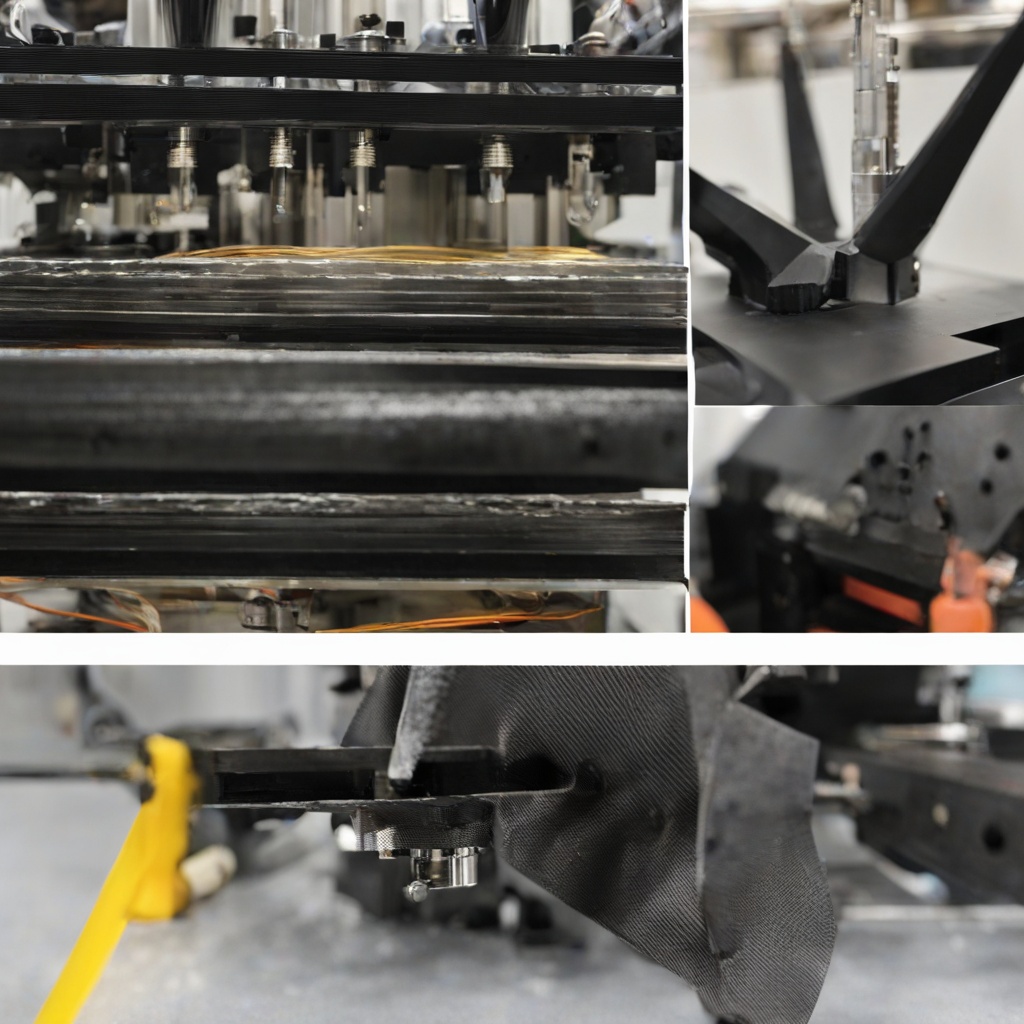
Fused Deposition Modeling (FDM) with carbon fiber reinforcement involves a dual-nozzle system. One nozzle deposits a standard thermoplastic matrix, often Nylon-CF or ABS, while a second nozzle lays down continuous strands of carbon fiber. These fibers are embedded into the thermoplastic layer-by-layer, following toolpaths optimized for load direction. In Autoabode's production trials with our Duper XL FDM series, we've achieved tensile strengths exceeding 240 MPa and flexural moduli up to 18 GPa in the fiber direction for carbon fiber nylon composites. This process creates parts with pronounced anisotropic properties—extremely strong along the fiber axis but reliant on layer adhesion in the Z-direction. For drone frames, arms, and motor mounts, this allows engineers to strategically place fibers along primary stress paths, mimicking the unidirectional layups used in high-end composite manufacturing, but with the speed and design freedom of additive manufacturing.
The key advantage for UAVs is twofold: unmatched specific strength and inherent conductivity. A carbon fiber FDM prototype arm can be 50-60% lighter than an aluminum equivalent while offering similar stiffness, directly translating to longer flight times—a non-negotiable parameter for surveillance and logistics drones. Furthermore, the continuous carbon fiber network provides a path for electrostatic discharge (ESD). This is critical for drones operating in dry, dusty Indian environments or for military applications where electronic shielding is paramount to protect sensitive payloads from interference. However, this method struggles with highly complex, organic geometries and internal lattices. Support structures for overhangs can be challenging to remove without damaging the fiber strands, and the surface finish typically exhibits layer lines, often requiring post-processing for aerodynamic components.
Autoabode Data Point: In validation tests for a DGCA-compliant heavy-lift logistics drone, FDM carbon fiber motor mounts showed a 40% higher fatigue life at 10^6 cycles compared to cast aluminum, while reducing weight by 55%.
- Anisotropic Mechanical Properties: Tensile strength can reach 240+ MPa in the fiber direction, but inter-layer strength is typically 30-50% lower, demanding careful print orientation.
- Thermal & Electrical Conductivity: Continuous carbon fiber paths provide thermal conductivity of 5-10 W/mK and volume resistivity as low as 0.01 Ω·cm, enabling EMI shielding and heat dissipation.
- Layer Resolution & Surface Finish: Typical layer heights of 0.1-0.3 mm result in a striated surface; Ra values of 10-15 microns are common, often necessitating sanding or coating for low-drag surfaces.
- Build Volume & Speed: Large-format printers like the Autoabode Duper XL offer a 600 x 600 x 600 mm build volume, allowing full-scale drone frames (up to 800mm diagonal) to be printed in under 48 hours.
- Material & Operational Cost: Carbon fiber filament costs are 3-5x higher than standard PLA/ABS, and the process requires hardened steel nozzles and controlled chamber temperatures around 90°C.
SLS Nylon: Isotropic, Complex Geometry Mastery
The Power of Laser-Sintered Engineering Plastics
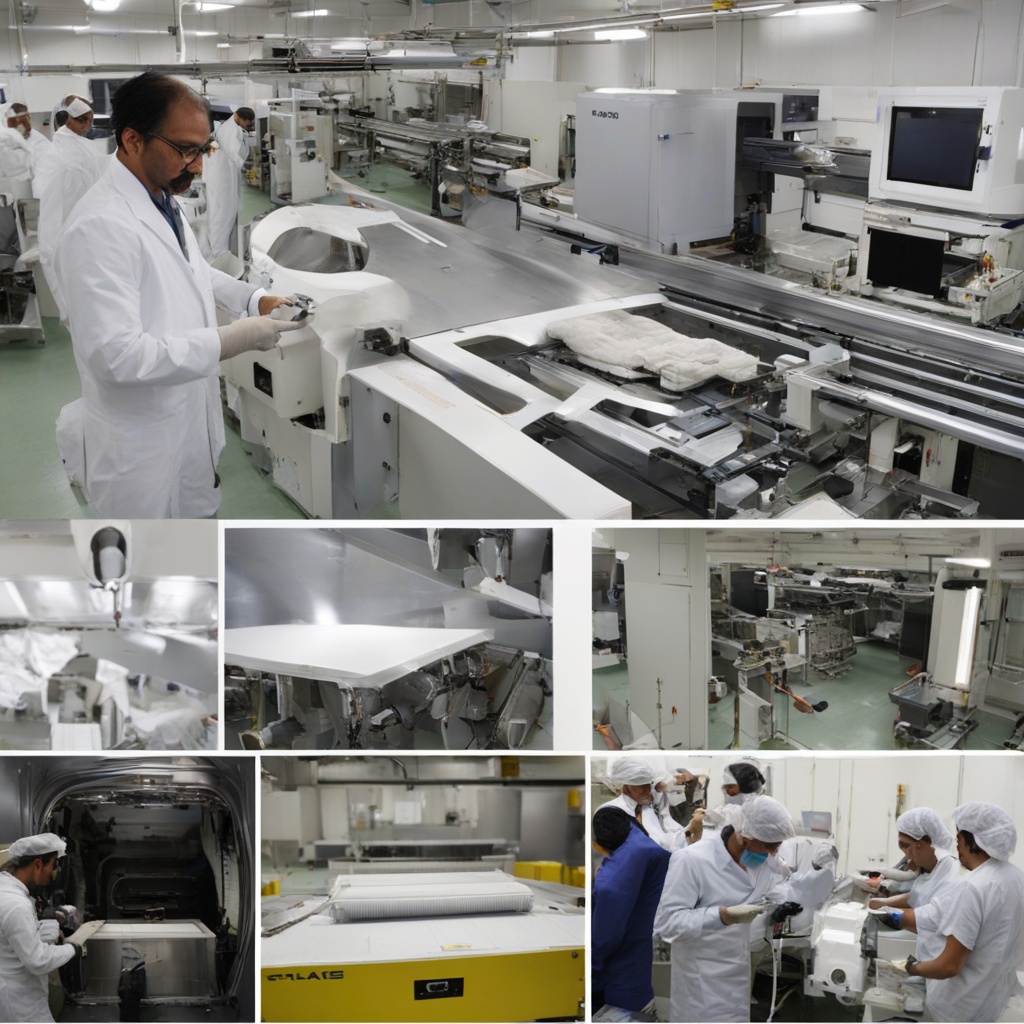
Selective Laser Sintering (SLS) uses a high-power CO2 laser (typically 30-100W) to fuse fine particles of nylon powder, layer by layer, within a heated build chamber. The unsintered powder acts as inherent support, allowing for the creation of geometries impossible with FDM: intricate internal channels, interlocking parts, and organic, lightweight lattices. The result is a part with isotropic mechanical properties—its strength, typically around 48 MPa tensile strength for standard Nylon 12, is nearly identical in all directions. This predictability is invaluable for drone components experiencing multi-axial stresses, such as custom camera gimbals, ducted fan housings, or complex aerodynamic fairings. Our engineers at Autoabode have observed that SLS prototypes from our SinterX Pro often require no post-processing for fit and function testing, thanks to their excellent surface finish (Ra ~5-10 microns) and dimensional accuracy (±0.3%).
For drone prototyping, SLS nylon excels in functional, end-use-like parts for subsystems. It allows for the consolidation of multiple assembled components into a single, printed piece, reducing potential failure points—a principle DRDO laboratories frequently employ for ruggedized UAV payload housings. Materials like Nylon 11 (PA11) and Nylon 12 (PA12) offer good chemical resistance against fuels and lubricants, and glass-filled or aluminum-filled variants can boost stiffness and thermal deflection temperature. The primary trade-off is weight and conductivity. SLS nylon parts are denser than their carbon fiber FDM counterparts and are electrical insulators. This makes them less ideal for primary structural frames where every gram counts, but perfect for complex, enclosed geometries where strength uniformity and design freedom trump absolute minimal weight. Explore our full range of SLS materials for advanced options.
The Indian Drone Ecosystem: Choosing Your Path
The Indian drone market, propelled by the PLI Scheme, DAP 2020 procurement rules, and specific needs of agencies from the Indian Army to agricultural monitoring bodies, demands a pragmatic approach to prototyping. The choice between FDM carbon fiber and SLS nylon isn't universal; it's project-specific. For startups developing heavy-lift cargo or long-endurance surveillance drones under tight DGCA type certification timelines, FDM carbon fiber offers a rapid route to flight-worthy, high-performance structural prototypes. Clients including DRDO report using this method to iterate airframe designs in weeks instead of months, crucial for meeting strategic deadlines. Conversely, for companies specializing in sophisticated payload integration, swarm robotics, or miniaturized UAVs, SLS nylon provides the geometric freedom to create optimized, multi-functional housings and mechanisms in a single print job, accelerating subsystem development.
At Autoabode, we integrate this decision matrix directly into our rapid prototyping services for clients. For a primary airframe, we might recommend our Duper XL FDM printer with carbon fiber nylon to create a stiff, lightweight, and conductive chassis. Simultaneously, for the accompanying custom ground control station housing or a complex aerodynamic payload bay, we would leverage our SinterX Pro SLS system. This hybrid approach, utilizing the right technology for each component, is how leading Indian developers de-risk their R&D. Furthermore, for final small-batch production or tooling, both technologies feed into our BotBit UAV series and UGV Interceptor manufacturing lines. Understanding this landscape is key to not just building a prototype, but building a viable product for the Indian market. For a consultation on your specific project, contact Autoabode's engineering team.
Frequently Asked Questions
Q: Which is stronger, carbon fiber FDM or SLS nylon?
A: Strength depends on direction. FDM with continuous carbon fiber is significantly stronger (up to 240 MPa tensile) along the axis of the fiber, making it ideal for drone arms and beams under predictable loads. However, its strength between layers is lower. SLS Nylon 12 has lower but isotropic strength (~48 MPa), meaning it's equally strong in all directions, making it better for complex parts experiencing stress from multiple angles. For a pure, directional load-bearing component, carbon fiber FDM wins. For a complex, multi-axial stress component, SLS nylon's consistent performance is often more reliable and predictable in final testing.
Q: Is carbon fiber 3D printing good for drone frames?
A: Yes, carbon fiber 3D printing, specifically FDM with continuous fiber, is excellent for drone frames, arms, and motor mounts. Its primary benefits are a superb strength-to-weight ratio and inherent conductivity. Autoabode's trials show carbon fiber FDM frames can be over 50% lighter than metal equivalents while maintaining necessary stiffness, directly increasing flight endurance. The conductivity also provides crucial EMI shielding and electrostatic discharge protection for onboard electronics, a requirement often highlighted in Indian Army and DGCA compliance testing for operational drones in varied environments.
Q: What are the disadvantages of SLS 3D printing for drones?
A: The main disadvantages of SLS for drone parts are material density, lack of conductivity, and porosity. SLS nylon parts are denser than optimized composite structures, adding weight to primary frames. They are also electrical insulators, requiring separate solutions for EMI shielding. While strong, the sintered parts can be slightly porous, which may absorb moisture in humid Indian conditions, potentially affecting dimensions and strength if not properly sealed. Finally, the powder-based process, while excellent for complexity, has a higher per-part material cost for very large, solid volumes compared to FDM, making it less economical for bulky, simple structural components.
Q: How much does it cost to 3D print a drone prototype in India?
A: The cost to 3D print a drone prototype in India varies widely based on size, technology, and material. A small FDM carbon fiber frame (300mm) might cost ₹8,000-₹15,000 in material and machine time, while a similar-sized SLS nylon assembly could be ₹12,000-₹20,000 due to powder costs. For a full-scale, 800mm+ surveillance drone prototype, using a hybrid approach (FDM carbon for frame, SLS for housings) at a service bureau like Autoabode, total costs typically range from ₹50,000 to ₹1,50,000. This investment must be weighed against the speed (2-3 weeks vs. 3-4 months for traditional tooling) and the iterative advantage it provides under tight PLI Scheme or project deadlines, often resulting in significant overall program savings.
The journey from a drone concept to a DGCA-certified platform in India is fraught with technical and regulatory challenges. Choosing between FDM carbon fiber and SLS nylon for prototyping is one of the first and most impactful decisions you will make. It sets the trajectory for your design flexibility, performance validation, and compliance readiness. By understanding the core strengths of each—FDM for directed strength and conductivity, SLS for complexity and isotropy—you can strategically deploy them to de-risk your development cycle. At Autoabode, we've seen this informed, hybrid approach empower Indian innovators to move faster from drawing board to flight test, fully leveraging the potential of 'Make in India' for aerospace. To discuss which technology stack aligns with your specific UAV project goals, reach out to our engineering team for a detailed consultation.
Frequently Asked Questions
Strength depends on direction. FDM with continuous carbon fiber is significantly stronger (up to 240 MPa tensile) along the axis of the fiber, making it ideal for drone arms and beams under predictable loads. However, its strength between layers is lower. SLS Nylon 12 has lower but isotropic strength (~48 MPa), meaning it's equally strong in all directions, making it better for complex parts experiencing stress from multiple angles. For a pure, directional load-bearing component, carbon fiber FDM wins. For a complex, multi-axial stress component, SLS nylon's consistent performance is often more reliable and predictable in final testing.
Rohan Mehta
Head of Aerospace Applications, Autoabode · Autoabode Consumer Electronics Pvt. Ltd.
Expert author at Autoabode — writing at the intersection of industrial 3D printing, defence manufacturing, and advanced UAV systems. Based in New Delhi, India.
Explore Autoabode's Platforms
This article is part of Autoabode's technical journal. Learn more about our core platforms built in India for defence, aerospace, medical and industrial teams:
More from the Journal
Off-Grid Communication Solutions for Mountainous Terrain: An Engineering Field Guide for India's High-Altitude Operators
Off-grid communication solutions for mountainous terrain are not optional in India — they are the difference between a coordinated operation and a stranded section. This engineering field guide breaks down the radio physics that defeats conventional VHF/UHF in the Himalayas, the mesh architectures that survive ridge-line shadowing, and the cold-weather, power-budget and security trade-offs that determine whether a system delivers in the Karakoram and Western Ghats. Built around real deployment data from Autoabode's MeshVani encrypted communicator and MeshVani Relay platform in service with the Indian Army, ITBP, NDRF and high-altitude expedition teams.
Drones & UAV · 7 min readModular UAV Payloads for Multi-Role Missions: A Technical Guide
Explore the technical specifications and strategic advantages of modular UAV payloads for multi-role missions. This guide covers hot-swap systems, sensor fusion, and real-world applications for defense and industry.