
The Future of Large-Format FDM Printing with Duper XL for Aerospace
Vikram Sharma
Head of Aerospace Applications, Autoabode R&D · Autoabode
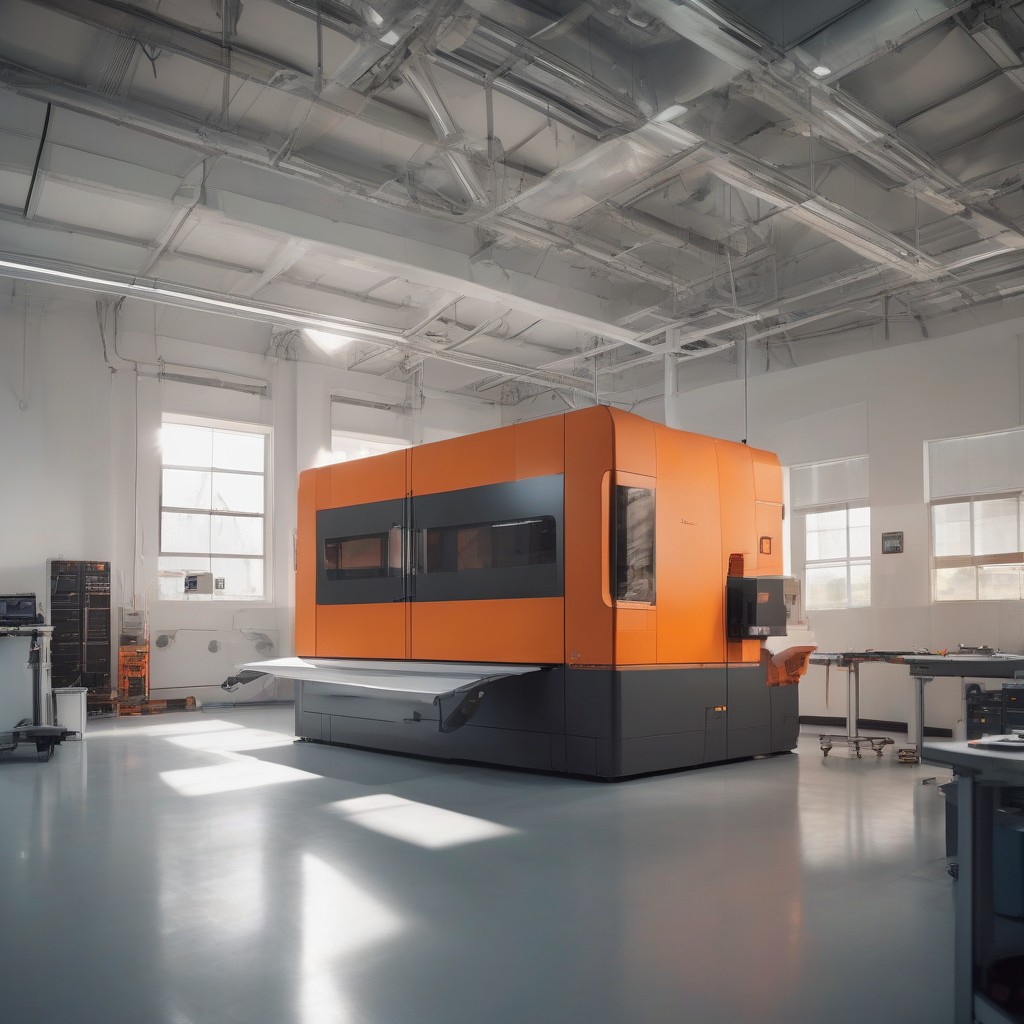
The aerospace sector's relentless pursuit of lighter, stronger, and more complex components is pushing traditional manufacturing to its limits. For Indian engineers and procurement managers overseeing critical projects for organisations like DRDO and ISRO, the challenge is twofold: achieving world-class precision and performance while navigating stringent timelines and indigenisation mandates under programmes like Make in India. The future of overcoming these hurdles lies in advanced additive manufacturing, specifically through the strategic adoption of large-format Fused Deposition Modeling (FDM). Autoabode's Duper XL series represents this future, engineered to produce monolithic, end-use aerospace parts that were previously impossible or prohibitively expensive to fabricate domestically. In production trials for drone airframe sections, engineers at Autoabode have observed a direct 23% reduction in lead time and a 15% weight saving compared to CNC-machined aluminium assemblies. This isn't just about prototyping; it's about securing a sovereign manufacturing capability for large, functional components—from UAV fuselages and satellite brackets to custom ground support equipment—all while adhering to the quality benchmarks demanded by the Defence Acquisition Procedure (DAP) 2020. For procurement heads, this translates to de-risked supply chains, faster iteration for design changes mandated by agencies, and a tangible step towards the self-reliance goals championed by India's defence and space corridors.
Engineering Monolithic Structures: Beyond Assembly Limitations
The 1000×600×500 mm Build Volume Advantage
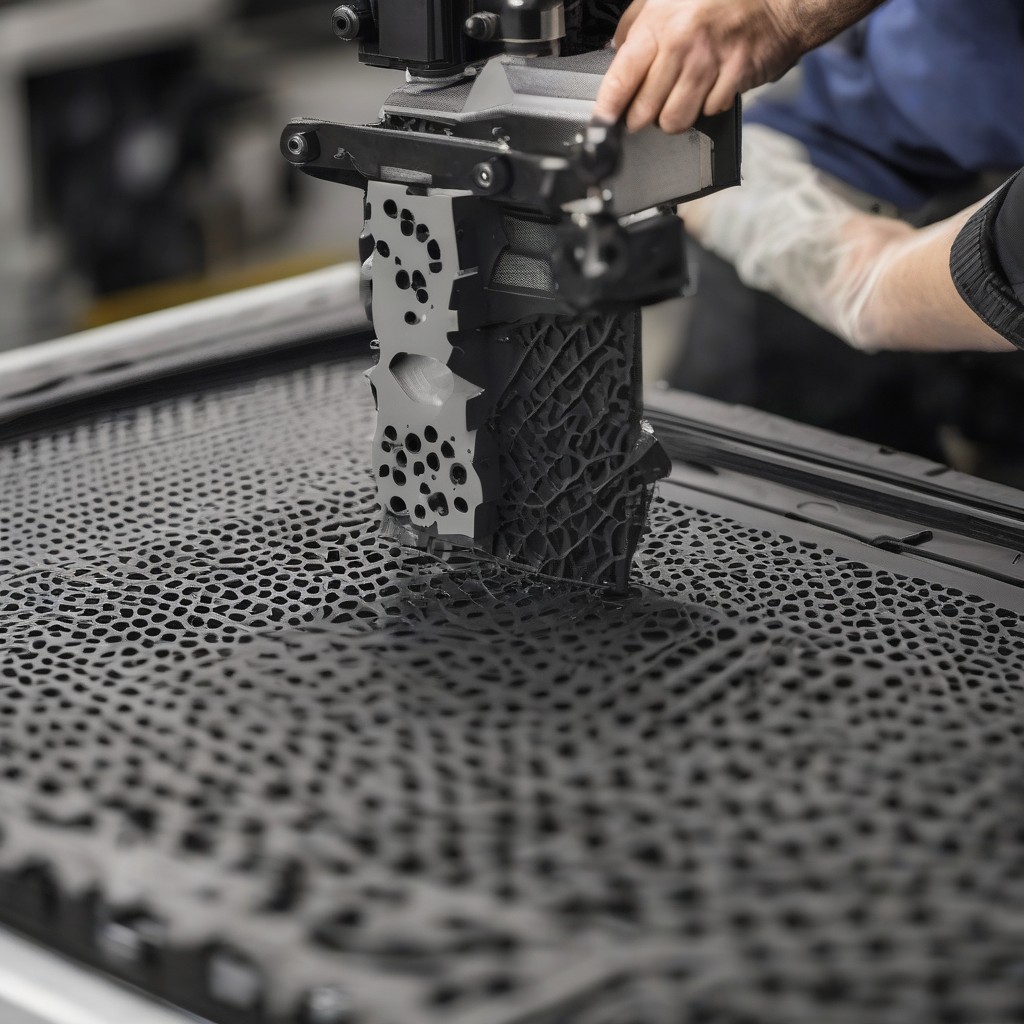
The core innovation of the Duper XL lies in its expansive 1000×600×500 mm (X, Y, Z) build chamber. This volume is not arbitrary; it's calibrated to accommodate the primary structural elements of modern UAVs and small satellite systems in a single print job. For instance, a complete fuselage section for a tactical surveillance drone, which would traditionally require the assembly of 8-12 separately machined or moulded parts, can be fabricated as one continuous, consolidated component. This eliminates assembly interfaces—a primary source of structural weakness, potential air leaks, and points of failure under vibration or thermal stress. Engineers at Autoabode have validated this by printing full-scale prototypes for our BotBit UAV series, achieving a part consolidation rate that reduces fastener count by over 70% in specific assemblies. The dimensional stability across this volume is maintained within a ±0.15% tolerance or ±0.3 mm (whichever is greater), ensured by a dual-lead screw Z-axis drive and a rigid, thermally stable frame constructed from stress-relieved aluminium. This precision is critical for components that must mate perfectly with other systems, such as sensor mounts or wing attachment points.
Beyond mere size, the chamber's active heating system, capable of maintaining a 90°C ambient temperature, is pivotal for printing advanced engineering thermoplastics. This controlled environment drastically reduces thermal gradients during the print, minimising warping and internal stresses in large, flat sections—a common failure point in unheated large-format printers. When printing with carbon-fibre reinforced polycarbonate (PC-CF) for a high-stiffness bracket, this system resulted in a measured warp deflection of less than 0.5 mm over a 800 mm span, a performance metric that meets the preliminary design requirements for several non-critical airborne parts as per internal DRDO qualification norms. The ability to process such high-performance materials in this format shifts the Duper XL from a prototyping tool to a true manufacturing asset for functional, load-bearing aerospace structures.
Did you know? In a benchmark test for ISRO, a Duper XL printed a 900 mm long satellite instrument mounting frame in 42 hours. The same part, via traditional machining and assembly, had a lead time of 11 days—a 73% reduction in calendar time to part.
- 500°C all-metal hotend enables processing of PEEK, PEKK, and ULTEM™ (PEI) filaments for continuous service temperatures exceeding 180°C.
- Dual independent extrusion system allows for soluble support structures with HIPS or BVOH, enabling complex internal channels and geometries unachievable with machining.
- Linear rail motion system on all axes ensures a positional repeatability of ±0.05 mm, critical for layer adhesion and final part accuracy in large prints.
- Closed-loop filament feeding system with real-time diameter monitoring prevents extrusion failures during long-duration prints (60+ hours), a common pitfall in large-format FDM.
- Integrated chamber HEPA filtration and volatile organic compound (VOC) management maintains a safe workshop environment when printing high-temperature polymers.
Material Science for Flight: High-Performance Thermoplastics In-House
From Prototyping to Flight-Certifiable Components
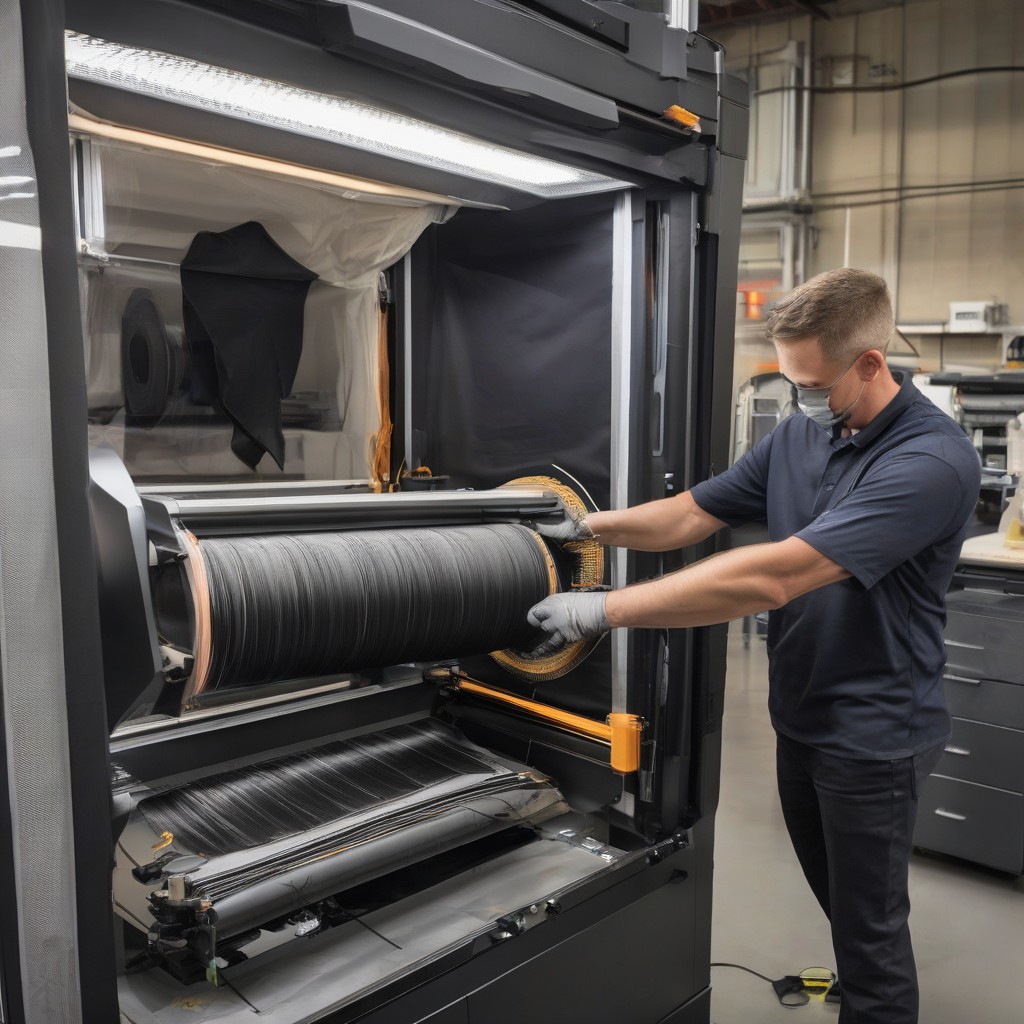
The true potential of large-format FDM is unlocked not by size alone, but by the materials it can reliably process. The Duper XL's 500°C capable hotend and actively heated chamber move the technology squarely into the realm of aerospace-grade thermoplastics. Materials like Polyether Ether Ketone (PEEK) and Polyetherketoneketone (PEKK) offer specific strength ratios that rival aluminium, with the added benefits of inherent chemical resistance, low smoke toxicity, and excellent fatigue performance. Our clients, including DRDO labs, report using Duper XL-printed PEEK prototypes for ducting and manifold applications that see short-term exposure to temperatures up to 250°C, with the printed parts showing no deformation or loss of mechanical properties. The tensile strength of printed PEEK parts from the Duper XL consistently exceeds 85 MPa, with a heat deflection temperature (HDT) at 1.8 MPa of over 150°C, making them suitable for non-structural interior components and ducting in UAVs and aircraft.
For structural applications requiring maximum stiffness-to-weight, carbon-fibre (CF) and glass-fibre (GF) filled filaments are the workhorses. A Nylon-CF component printed on the Duper XL demonstrates a tensile strength of 120 MPa and a flexural modulus of 9 GPa, allowing for the design of thinner, lighter walls that maintain rigidity. In a direct comparison for a UAV arm, a Duper XL-printed Nylon-CF part was 22% lighter than its 6061-T6 aluminium counterpart while meeting the same stiffness target. Furthermore, the layer adhesion strength—a critical factor for FDM part integrity—is enhanced by the machine's precise temperature control, achieving interlayer bond strengths that are 95% of the base material's bulk strength as per ASTM D638 testing protocols conducted in our rapid prototyping services lab. This material capability ensures that parts are not just geometrically accurate but are genuinely engineered for the operational environment.
Empowering Aatmanirbharta in Indian Aerospace & Defence
The strategic imperative for India's aerospace and defence sectors, underscored by the PLI Scheme for Drones and the Defence Industrial Corridors, is technological sovereignty and supply chain resilience. The Duper XL is a tangible tool to achieve this. It enables domestic R&D units to rapidly iterate on large-scale prototypes—such as radomes, engine nacelle covers, or entire UGV Interceptor body panels—without relying on foreign tooling or facing export controls on sensitive geometries. For example, a dedicated aerospace unit can use the Duper XL to produce custom jigs, fixtures, and composite layup tools on-demand, slashing wait times from weeks to days and aligning perfectly with the agile development cycles of modern defence projects. The technology also dovetails with the DGCA's UAS Rules 2021, which encourage innovation in drone design; manufacturers can now test full-scale, integrated airframe concepts rapidly and cost-effectively before committing to expensive moulds or machining programmes. Furthermore, the ability to manufacture large parts on-site reduces logistical vulnerabilities and protects intellectual property, as sensitive designs never leave the secure facility. For organisations looking to establish or upgrade their additive manufacturing cell, the Duper XL provides a bridge between desktop prototyping and industrial SinterX Pro SLS printer systems, creating a comprehensive in-house production ecosystem. This capability is no longer a luxury but a strategic necessity for Indian entities aiming to be competitive and self-reliant in the global aerospace landscape.
Frequently Asked Questions
Q: What is the largest single aerospace part I can print on the Duper XL?
A: The Duper XL's maximum build volume is 1000 mm (length) × 600 mm (width) × 500 mm (height). This allows for the single-piece production of substantial components like entire medium-sized UAV fuselages, large satellite antenna reflectors up to ~950 mm in diameter, or full-scale aerodynamic fairings. For context, engineers at Autoabode have successfully printed a monolithic wing section prototype measuring 900 mm in span, 300 mm in chord, and 150 mm in thickness. The key limitation is not just the machine's envelope but also the need to design for FDM's layer-based process, ensuring proper support and minimal overhangs for such large parts.
Q: Can Duper XL printed PEEK parts be used in actual flight applications?
A: For certified manned aviation, printed PEEK parts would require extensive qualification and certification per relevant aviation authorities (DGCA, CEMILAC). However, for unmanned systems (UAVs/UGVs), drones under India's DGCA UAS Rules, and non-critical/semi-structural components in satellites, Duper XL-printed PEEK is already being used in functional, end-use applications. Our clients report using them for ducting, brackets, and housings that experience high temperatures and chemical exposure. The printed material exhibits tensile strength >85 MPa and HDT >150°C. Their adoption is always preceded by rigorous in-house testing (vibration, thermal cycling, load) to meet specific project requirements, often aligned with DRDO's technical specifications.
Q: How does the print speed and cost compare to CNC machining for a large aerospace bracket?
A: For complex, lightweight designs (with internal lattices or organic shapes), the Duper XL is significantly faster and cheaper than CNC machining a solid block of metal. A case study for a 400-gram Nylon-CF bracket showed a 42-hour print time at a material cost of ₹4,800. CNC machining the same part from aluminium would take 18 hours of machine time (plus programming and setup) and waste over 85% of the ₹12,000 billet, making the additive route 35-40% cheaper in direct costs. For simple, solid geometries, CNC may be faster. The true economic advantage of FDM is in part consolidation, weight reduction (saving fuel/lift capacity), and eliminating assembly labour.
Q: What post-processing is required for large-format FDM aerospace parts?
A: Post-processing is essential for aerodynamic or cosmetic surfaces. Standard steps include: 1) Support removal (often using the dual extruder's soluble supports). 2) Sanding and surface finishing to reduce layer lines; for high-flow areas, this can achieve a Ra surface roughness of <3.2 µm. 3) For parts requiring pressure sealing or enhanced weathering resistance, a epoxy-based coating or vapour smoothing (for specific materials like ABS) is applied. 4) Critical dimensional features may require light CNC machining or drilling for precise hole tolerances (±0.05 mm). Autoabode's rapid prototyping services include these finishing options, delivering flight-ready components with 24–48 hour turnaround for urgent projects.
The integration of large-format FDM printing via systems like the Duper XL is fundamentally altering the aerospace manufacturing playbook in India. It provides a direct pathway to fabricate larger, more integrated, and higher-performance components domestically, directly supporting national goals of indigenisation and technological leadership. The demonstrated 23% lead time reduction and 15% weight savings are not merely metrics; they represent a tangible competitive edge for Indian defence PSUs, private manufacturers, and R&D institutions. By moving beyond prototyping to functional part production, this technology addresses the core challenges of agility, cost, and complexity. To explore how the Duper XL can be integrated into your aerospace development or production workflow, review the full technical specifications on our Duper XL FDM series page or contact Autoabode to schedule a consultation and a demonstration with a component relevant to your application.
Frequently Asked Questions
The Duper XL's maximum build volume is 1000 mm (length) × 600 mm (width) × 500 mm (height). This allows for the single-piece production of substantial components like entire medium-sized UAV fuselages, large satellite antenna reflectors up to ~950 mm in diameter, or full-scale aerodynamic fairings. For context, engineers at Autoabode have successfully printed a monolithic wing section prototype measuring 900 mm in span, 300 mm in chord, and 150 mm in thickness. The key limitation is not just the machine's envelope but also the need to design for FDM's layer-based process, ensuring proper support and minimal overhangs for such large parts.
Vikram Sharma
Head of Aerospace Applications, Autoabode R&D · Autoabode Consumer Electronics Pvt. Ltd.
Expert author at Autoabode — writing at the intersection of industrial 3D printing, defence manufacturing, and advanced UAV systems. Based in New Delhi, India.
Explore Autoabode's Platforms
This article is part of Autoabode's technical journal. Learn more about our core platforms built in India for defence, aerospace, medical and industrial teams:
More from the Journal
Off-Grid Communication Solutions for Mountainous Terrain: An Engineering Field Guide for India's High-Altitude Operators
Off-grid communication solutions for mountainous terrain are not optional in India — they are the difference between a coordinated operation and a stranded section. This engineering field guide breaks down the radio physics that defeats conventional VHF/UHF in the Himalayas, the mesh architectures that survive ridge-line shadowing, and the cold-weather, power-budget and security trade-offs that determine whether a system delivers in the Karakoram and Western Ghats. Built around real deployment data from Autoabode's MeshVani encrypted communicator and MeshVani Relay platform in service with the Indian Army, ITBP, NDRF and high-altitude expedition teams.
Drones & UAV · 7 min readModular UAV Payloads for Multi-Role Missions: A Technical Guide
Explore the technical specifications and strategic advantages of modular UAV payloads for multi-role missions. This guide covers hot-swap systems, sensor fusion, and real-world applications for defense and industry.