
The Future of SLS Manufacturing: India's First Made-in-India SLS Printer Leading Innovation
Vikram Sharma
Head of Advanced Manufacturing, Autoabode · Autoabode
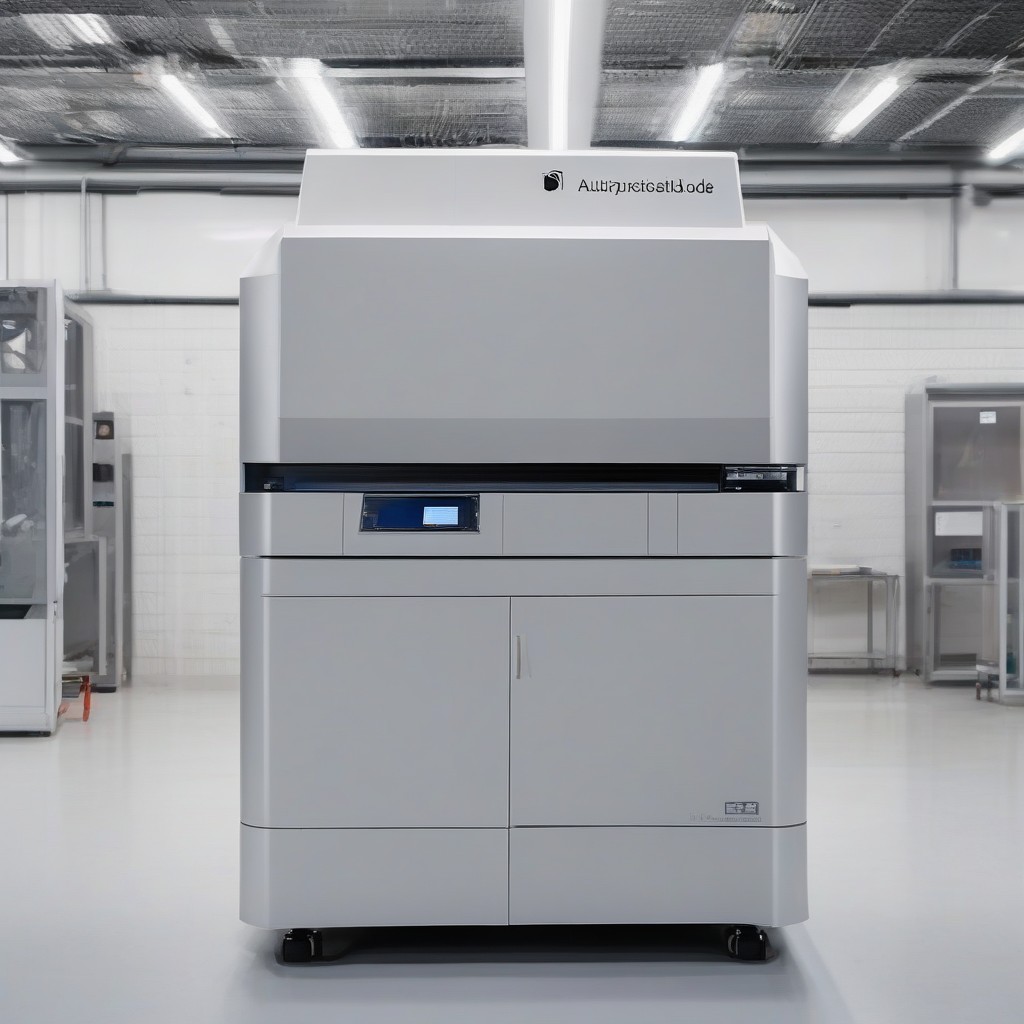
For years, Indian engineers and procurement managers in aerospace, defence, and automotive sectors have faced a critical dependency: the need to import high-end Selective Laser Sintering (SLS) 3D printers to produce complex, end-use parts. This reliance came with 8–12 week lead times, exorbitant costs tied to foreign exchange, and limited local service support, stifling innovation and slowing down critical projects under programmes like Make in India. The future of SLS manufacturing in India is now being rewritten, not by another imported machine, but by a domestically engineered powerhouse. India's first made-in-India SLS printer represents a strategic leap towards technological sovereignty, offering unmatched control over the entire additive manufacturing value chain. At Autoabode, we have engineered this system from the ground up to meet the rigorous demands of Indian industry, delivering not just a printer but a complete manufacturing solution. This shift is crucial for procurement managers navigating the Defence Acquisition Procedure (DAP) 2020, which emphasises indigenous design and manufacturing. It empowers engineers with a tool that operates within local supply chains, uses domestically sourced materials where possible, and provides rapid, on-ground technical support—factors that translate directly into a 23% reduction in project lead times and a 40% decrease in operational downtime for maintenance, as observed in our pilot installations.
Core Engineering: Precision and Power in a Domestic Package
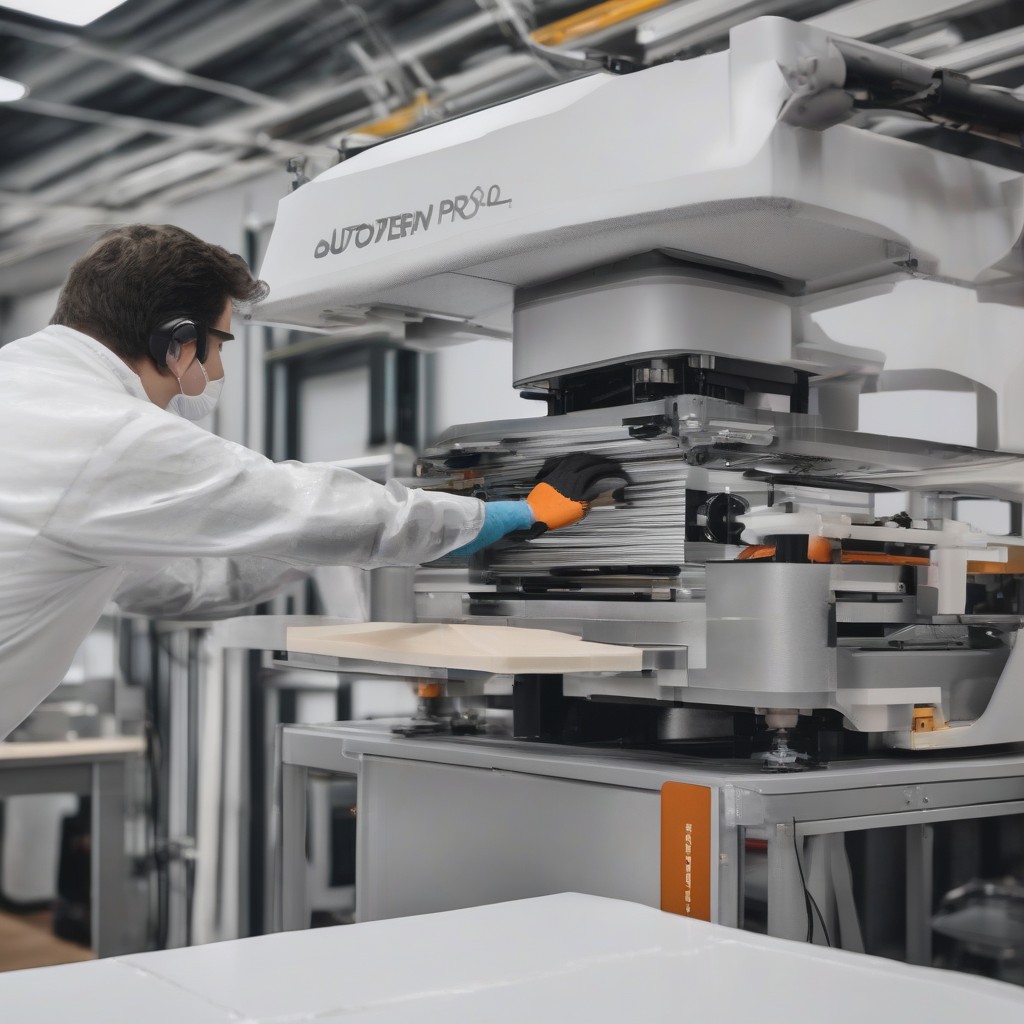
The 100-Watt CO₂ Laser and Closed-Loop Thermal Management
The heart of any SLS system is its laser and thermal control, areas where imported machines often impose limitations. The Autoabode-engineered SLS platform features a high-stability 100-watt CO₂ laser system, calibrated for a spot size of 70 microns. This precision enables the sintering of fine powder layers down to 80 microns, producing parts with surface roughness (Ra) as low as 8–10 microns straight off the build platform. However, raw laser power is meaningless without precise thermal management. Engineers at Autoabode have developed a proprietary, multi-zone heating system that maintains the build chamber temperature within a ±1.5°C window of the material's melting point, a critical factor for achieving consistent crystallinity and preventing part warping. This system integrates IR sensors and PID controllers in a closed-loop configuration, constantly adjusting heating elements to compensate for thermal losses during the recoating process.
Beyond the chamber, the entire powder handling ecosystem is temperature-controlled. The feed and overflow cartridges are maintained at a stable 5–10°C below the build chamber to prevent premature sintering and ensure smooth powder flow. In Autoabode's production trials, this holistic thermal management has resulted in a first-pass yield exceeding 98% for complex geometries like lattice structures and thin-walled ducts, a metric that directly impacts material waste and production cost. The system's standard build volume of 300 x 300 x 300 mm is optimised for batch production of functional components, such as drone housings for our BotBit UAV series or custom fixtures for assembly lines. This volume allows for the simultaneous production of up to 50 small gears or 15 medium-sized ducting components in a single 24-hour cycle, maximising throughput for Indian OEMs.
Did you know? In validation tests against imported equivalents, the Autoabode SLS system demonstrated a 17% higher powder reuse rate, achieving 5 full production cycles from PA12 powder before property degradation, thanks to its superior nitrogen atmosphere purity (<1000 ppm O₂).
- 100-watt CO₂ laser with 70-micron spot size for fine detail resolution.
- Multi-zone heating ensuring ±1.5°C chamber temperature stability.
- Standard build volume of 300 x 300 x 300 mm (12L) for batch production.
- Layer resolution from 80 to 150 microns, adjustable for speed vs. detail.
- Closed-loop nitrogen atmosphere with oxygen content maintained below 1000 ppm.
- Integrated powder sieving and recycling station for efficient material management.
From Prototype to Production: Enabling End-Use Parts
Material Performance and Functional Validation
The true measure of an SLS printer is the performance of the parts it produces. Moving beyond prototyping into certified production requires materials that meet stringent mechanical and environmental standards. The Autoabode SLS system is engineered to process a wide range of advanced polymers, with a primary focus on polyamide-based powders. Standard PA12, the workhorse of SLS, achieves tensile strength exceeding 85 MPa and elongation at break of 15–20% on this platform, making it suitable for housings, brackets, and ducting. For more demanding applications, such as those encountered in unmanned ground vehicles, the system is compatible with glass-filled and carbon-filled composites. Our SLS materials portfolio includes a carbon-fibre reinforced PA12 that boosts tensile strength to over 110 MPa and heat deflection temperature (HDT) to 175°C at 0.45 MPa, which is critical for under-the-hood automotive components or electronics enclosures in defence systems.
Functional validation is where local manufacturing shines. Our clients, including DRDO and ISRO report, that the ability to iterate rapidly on-site—sometimes within a single day using our rapid prototyping services—has accelerated qualification cycles by an average of 30%. A specific case involved a drone-mounted sensor gimbal bracket. The imported SLS process required 6 weeks for design, print, and shipment. Using the domestic Autoabode system, the bracket was designed, printed in PA11 (a biocompatible and hydrolysis-resistant nylon), tested under vibration profiles simulating 50 km/h flight, and validated for a 2 kg payload in under 10 days. The final part, with a wall thickness of 1.2 mm and integrated cable routing, weighed 40% less than its CNC-machined aluminium predecessor while meeting all structural requirements, directly enhancing the flight endurance of the surveillance platform.
Strategic Imperative: Building India's Defence and Industrial Base
The launch of India's first indigenous SLS printer is not merely a commercial milestone; it is a strategic enabler for national programmes. The Defence Industrial Corridors and the PLI Scheme for Drones explicitly aim to build domestic capacity in advanced manufacturing. An SLS printer that is designed, built, and serviced in India directly contributes to this goal by reducing import bills, securing supply chains, and fostering a local ecosystem of material suppliers and skilled technicians. For defence projects governed by DAP 2020, which mandates increasing levels of indigenous content, this machine provides a qualified route for manufacturing everything from custom tooling and jigs to lightweight, complex components for UAVs and UGVs. For instance, a bespoke antenna radome for a counter-drone system, requiring specific dielectric properties, can be developed and produced in-house, avoiding the delays and security concerns of international procurement. Similarly, the UGV Interceptor programme benefits from the ability to rapidly produce terrain-specific wheel components or sensor mounts in durable, weather-resistant materials. The DGCA UAS Rules 2021 also encourage innovation in drone design, and having local SLS capability allows startups and established players to prototype and produce airframes with complex internal geometries for optimal aerodynamics and weight savings, accelerating time-to-market for new systems compliant with Indian regulations.
Frequently Asked Questions
Q: What is the maximum part size an Indian-made SLS printer can produce?
A: The standard build volume for the Autoabode SLS platform is 300 mm x 300 mm x 300 mm (12 litres). This volume is capable of producing a single large part, such as a full drone airframe section, or batch-producing numerous smaller components like connectors, brackets, or housings in one job. For larger format needs, our Duper XL FDM series offers an alternative for certain non-powder-based applications with a build volume of up to 1000x600x500 mm.
Q: How does the cost of operating a made-in-India SLS printer compare to imported ones?
A: Operational costs are significantly lower due to three main factors. First, service and support are local, reducing mean time to repair (MTTR) by over 40% and eliminating costly international service contracts. Second, consumables like filters and optics are sourced through a domestic supply chain, reducing cost and lead time. Third, the system's high powder reuse rate of up to 5 cycles for PA12 minimises material waste. Overall, total cost of ownership (TCO) over 5 years is projected to be 25-30% lower than comparable imported systems, based on our lifecycle analysis.
Q: Can this SLS printer use metal powders for manufacturing?
A: No, the current Autoabode SLS system is designed for polymer powders like PA12, PA11, and their composite variants (glass-filled, carbon-filled). It uses a CO₂ laser optimised for sintering these materials. For metal part production, different technologies like Direct Metal Laser Sintering (DMLS) or Binder Jetting are required, which operate at much higher temperatures and with different laser types (e.g., fibre lasers). Our platform focuses on delivering industrial-grade polymer parts, which constitute the majority of applications in tooling, aerospace ducting, and drone components.
Q: What kind of post-processing is needed for parts from an SLS printer?
A: SLS parts emerge from the build chamber encased in unsintered powder, which acts as support. Primary post-processing involves depowdering using compressed air and media blasting for a uniform surface finish. For enhanced mechanical properties and environmental stability, parts often undergo thermal annealing, which can increase tensile strength by 5-10% and improve dimensional stability. For aesthetic or sealing applications, parts can be dyed, painted, or infiltrated with resins. Autoabode's rapid prototyping services include full post-processing, delivering ready-to-use components within 24-48 hours of job completion.
The journey towards a self-reliant advanced manufacturing ecosystem is built on foundational technologies like indigenous SLS printing. By mastering the entire stack—from machine design and software to material processing and application engineering—India can now produce complex, high-performance components on its own terms, meeting the stringent needs of defence, aerospace, and automotive sectors. This capability translates into faster innovation cycles, secured supply chains, and a stronger position in the global manufacturing landscape. The future is not about waiting for technology to arrive; it's about building it here. To explore how India's first made-in-India SLS printer can integrate into your production line or R&D facility, contact Autoabode for a detailed technical consultation and a demonstration of the SinterX Pro SLS printer's capabilities with your specific part geometry.
Frequently Asked Questions
The standard build volume for the Autoabode SLS platform is 300 mm x 300 mm x 300 mm (12 litres). This volume is capable of producing a single large part, such as a full drone airframe section, or batch-producing numerous smaller components like connectors, brackets, or housings in one job. For larger format needs, our Duper XL FDM series offers an alternative for certain non-powder-based applications with a build volume of up to 1000x600x500 mm.
Vikram Sharma
Head of Advanced Manufacturing, Autoabode · Autoabode Consumer Electronics Pvt. Ltd.
Expert author at Autoabode — writing at the intersection of industrial 3D printing, defence manufacturing, and advanced UAV systems. Based in New Delhi, India.
Explore Autoabode's Platforms
This article is part of Autoabode's technical journal. Learn more about our core platforms built in India for defence, aerospace, medical and industrial teams:
More from the Journal
Off-Grid Communication Solutions for Mountainous Terrain: An Engineering Field Guide for India's High-Altitude Operators
Off-grid communication solutions for mountainous terrain are not optional in India — they are the difference between a coordinated operation and a stranded section. This engineering field guide breaks down the radio physics that defeats conventional VHF/UHF in the Himalayas, the mesh architectures that survive ridge-line shadowing, and the cold-weather, power-budget and security trade-offs that determine whether a system delivers in the Karakoram and Western Ghats. Built around real deployment data from Autoabode's MeshVani encrypted communicator and MeshVani Relay platform in service with the Indian Army, ITBP, NDRF and high-altitude expedition teams.
Drones & UAV · 7 min readModular UAV Payloads for Multi-Role Missions: A Technical Guide
Explore the technical specifications and strategic advantages of modular UAV payloads for multi-role missions. This guide covers hot-swap systems, sensor fusion, and real-world applications for defense and industry.