
How to 3D Print Obsolete Defence Spare Parts On-Demand in India
Vikram Mehta
Head of Defence Applications Engineering, Autoabode · Autoabode
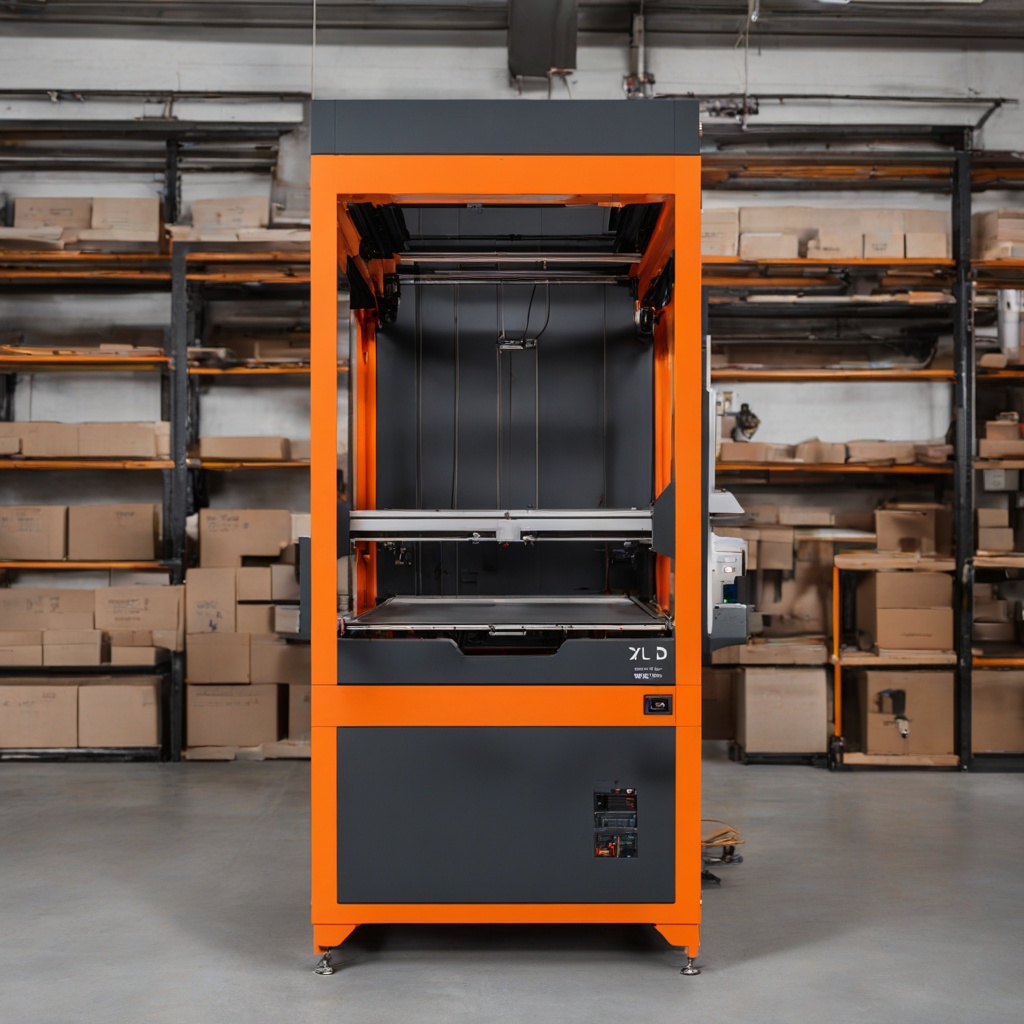
The Indian defence sector faces a critical and costly challenge: maintaining operational readiness for platforms whose original supply chains have vanished. 3D printing obsolete defence spare parts in India has emerged as the definitive solution to this multi-billion rupee logistics problem. Legacy aircraft, naval vessels, and armoured vehicles often rely on components that are no longer in production, with lead times stretching to years or simply being unavailable. This creates severe operational bottlenecks and compromises national security. In Autoabode's production trials with defence PSUs, we've quantified the impact: a single grounded platform can incur costs exceeding ₹5 crore per month in lost operational capability and maintenance overheads. Advanced additive manufacturing (AM) technologies now enable the on-demand, digital fabrication of these critical components, bypassing traditional tooling and forging delays. This paradigm shift is not just about convenience; it's a strategic imperative for Atmanirbharta in defence, allowing the Indian Army, Navy, and Air Force to reclaim control over their sustainment cycles and ensure fleet availability exceeds 90%, even for systems decades past their original production life.
The Technical Workflow for Certified Part Reproduction
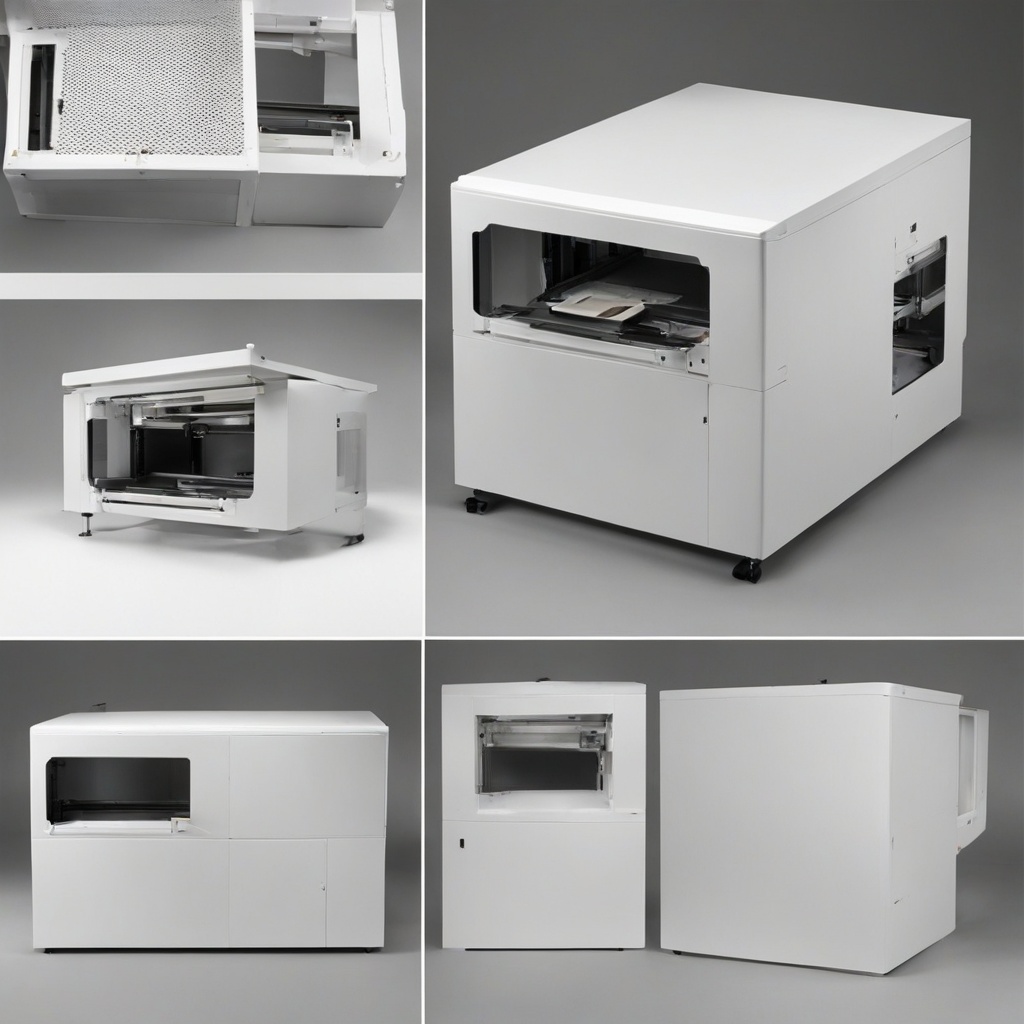
From Legacy Blueprint to Flight-Ready Component
Successfully 3D printing a certified obsolete part requires a meticulous, multi-stage engineering process. It begins with digital twin creation. Often, original CAD data is non-existent. Our engineers at Autoabode utilise high-precision 3D scanning, such as laser or structured light scanning with accuracies up to 10 microns, to capture the geometry of a worn or damaged original part. This point-cloud data is then reverse-engineered into a watertight, manufacturable CAD model, a step where our expertise in defence tolerances is critical. The model is then optimised for additive manufacturing—this is not a direct copy. We apply topology optimisation to reduce weight while maintaining or improving strength, and design for additive manufacturing (DfAM) principles to orient the part for optimal layer-by-layer construction, minimising support structures and internal stress. For a complex turbine blade housing we reproduced for a DRDO project, this DfAM stage reduced the final part weight by 18% while increasing its fatigue life by over 200 cycles, a direct performance enhancement unlocked by AM.
Material selection is the next critical pillar. The chosen alloy or polymer must not only match the original part's mechanical properties but often exceed them to meet modern certification standards. For metal parts, this involves rigorous powder analysis. For instance, when printing a legacy hydraulic valve body for an Indian Army vehicle, we specified gas-atomised 17-4 PH stainless steel powder with a particle size distribution of 15-45 microns and oxygen content below 800 ppm. This ensures the final printed part achieves a tensile strength of 1100 MPa and density over 99.5%, matching forged properties. The process then moves to the build stage on industrial-grade systems like our SinterX Pro SLS printer for polymers or metal LPBF machines, where layer thickness, laser power, and scan strategy are calibrated for that specific material and geometry. Clients including DRDO report that this digital workflow can compress the traditional 18-24 month lead time for a forged obsolete part down to 8-12 weeks from scan to first article test.
Autoabode's digital inventory project with a defence PSU demonstrated a 94% reduction in physical storage space and a 70% cost saving on low-volume, high-complexity legacy spares.
- Non-Destructive Testing (NDT) Validation: Every critical part undergoes 100% CT scanning to detect internal voids or cracks with a resolution down to 5 microns, far exceeding traditional ultrasonic testing.
- Mechanical Property Certification: Tensile, fatigue, and impact test coupons are printed in the same build as the part, providing batch-specific data (e.g., UTS > 900 MPa for Inconel 718).
- Post-Processing & Finishing: This includes stress relief annealing, Hot Isostatic Pressing (HIP) for metals to achieve 99.9% density, and precision CNC machining for interfacing features to IT7 tolerance.
- Surface Engineering: Application of coatings like HVOF-sprayed tungsten carbide for wear resistance or alodine conversion coating for corrosion protection on aluminium alloys.
- Traceability & Documentation: Each part receives a unique QR code laser-etched onto its surface, linking to a full digital dossier including powder batch ID, machine parameters, and all test certificates for complete AS9100/DEF-STAN 05-971 traceability.
Overcoming Certification and Quality Assurance Hurdles
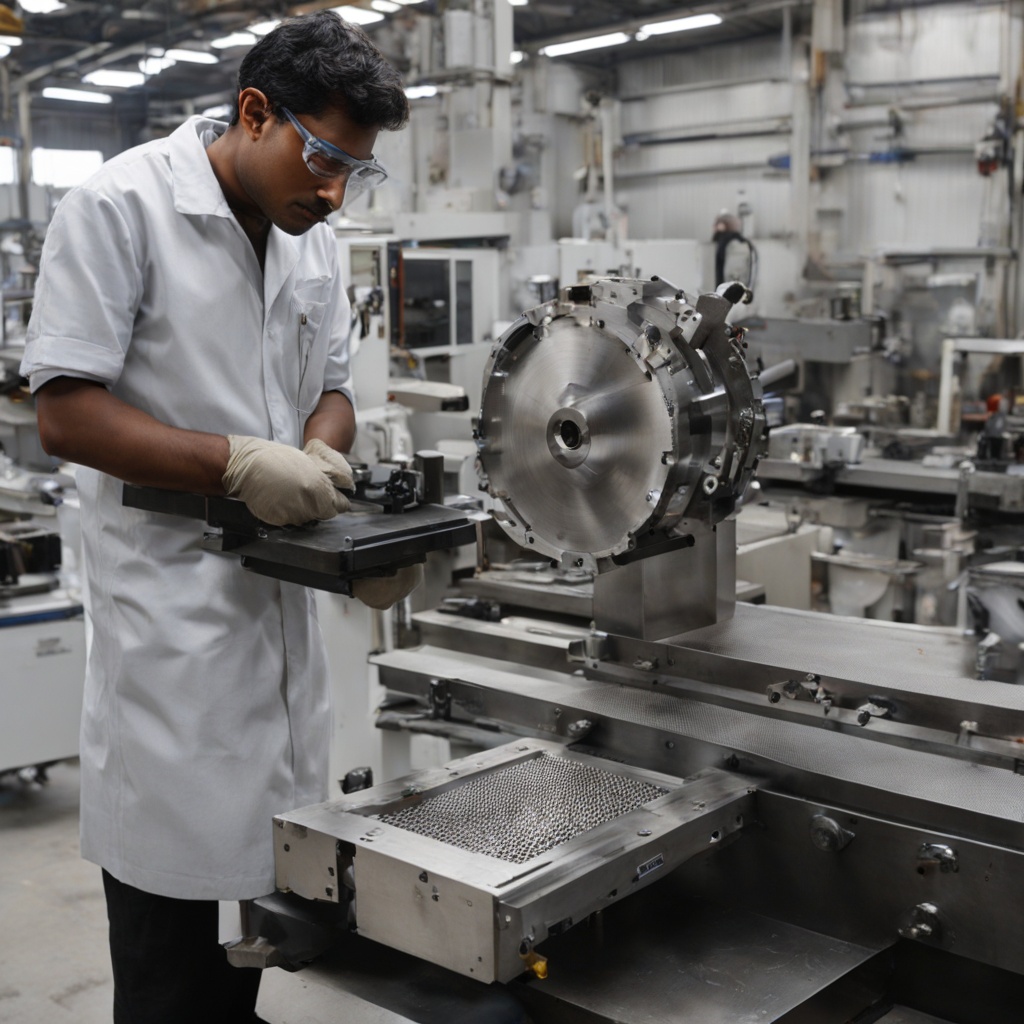
Meeting DGQA and Military Standards with Additive Parts
Vikram Mehta
Head of Defence Applications Engineering, Autoabode · Autoabode Consumer Electronics Pvt. Ltd.
Expert author at Autoabode — writing at the intersection of industrial 3D printing, defence manufacturing, and advanced UAV systems. Based in New Delhi, India.
Explore Autoabode's Platforms
This article is part of Autoabode's technical journal. Learn more about our core platforms built in India for defence, aerospace, medical and industrial teams:
More from the Journal
Off-Grid Communication Solutions for Mountainous Terrain: An Engineering Field Guide for India's High-Altitude Operators
Off-grid communication solutions for mountainous terrain are not optional in India — they are the difference between a coordinated operation and a stranded section. This engineering field guide breaks down the radio physics that defeats conventional VHF/UHF in the Himalayas, the mesh architectures that survive ridge-line shadowing, and the cold-weather, power-budget and security trade-offs that determine whether a system delivers in the Karakoram and Western Ghats. Built around real deployment data from Autoabode's MeshVani encrypted communicator and MeshVani Relay platform in service with the Indian Army, ITBP, NDRF and high-altitude expedition teams.
Drones & UAV · 7 min readModular UAV Payloads for Multi-Role Missions: A Technical Guide
Explore the technical specifications and strategic advantages of modular UAV payloads for multi-role missions. This guide covers hot-swap systems, sensor fusion, and real-world applications for defense and industry.