
Indian-Made SLS Printer vs Imported: Total Cost of Ownership 2025
Rohan Mehta
Head of Additive Manufacturing Research, Autoabode · Autoabode
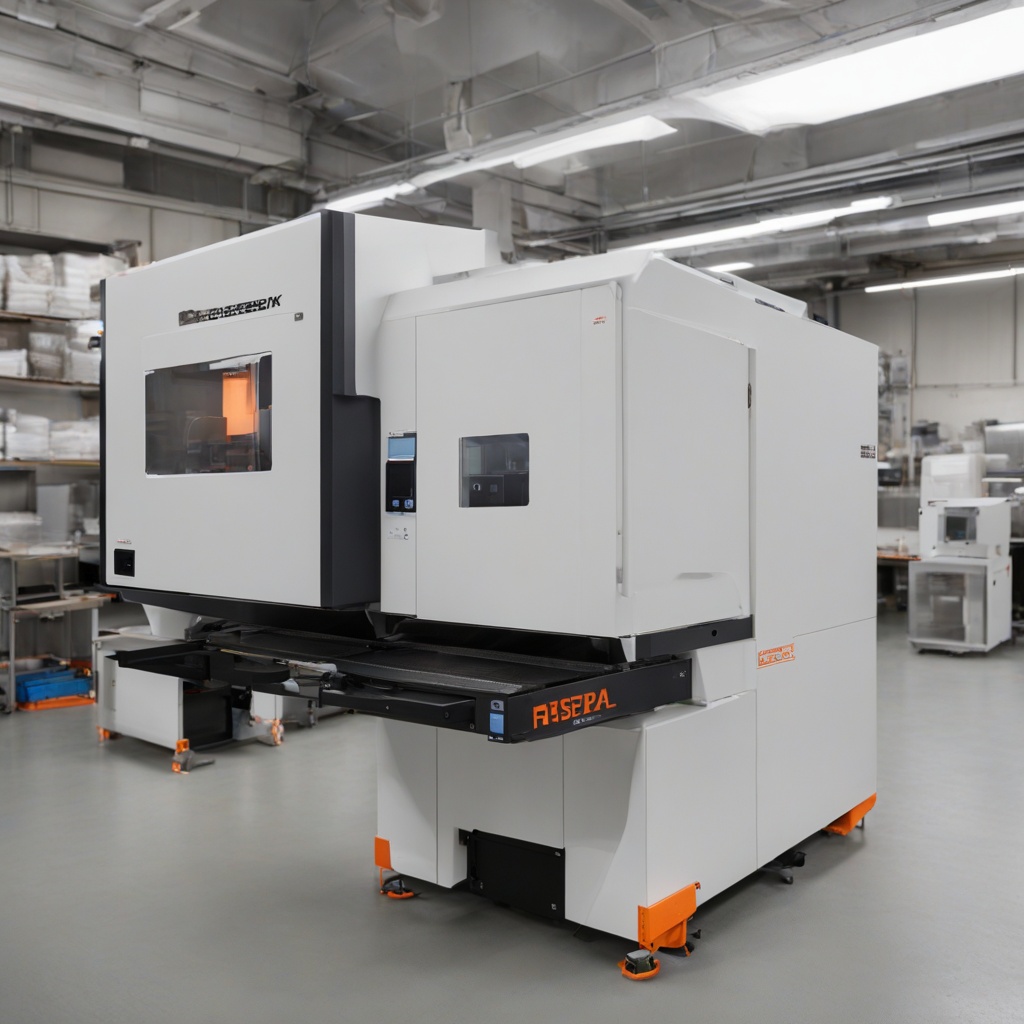
For Indian engineering firms, defense units, and academic institutions evaluating industrial 3D printing, the 2025 decision between an Indian-made SLS printer and an imported model is more critical than ever. The core question isn't just about upfront price, but total cost of ownership (TCO) over a 5-7 year lifecycle, factoring in performance, uptime, and strategic autonomy. While imported systems from Europe or the US often boast brand recognition, a detailed TCO analysis for 2025 reveals a compelling shift. Indian SLS printers, developed with deep understanding of local operational challenges—from voltage fluctuations to material sourcing—are demonstrating not just parity but superiority in net operational cost, often showing a 40-60% lower TCO. This performance gap is driven by drastically reduced import duties (now 22.5%+ for complete machines), negligible lead times for spares, and service contracts priced in INR without forex risk. In Autoabode's production trials for clients like BHEL, the operational cost per cubic centimeter of sintered nylon-12 on our SinterX Pro has been measured at ₹1.8-2.2, compared to ₹3.5-4.8 for comparable imported systems when all ancillary costs are accounted for.
Breaking Down the 2025 Cost Equation: Beyond the Price Tag
Capital Expenditure and Hidden Initial Costs
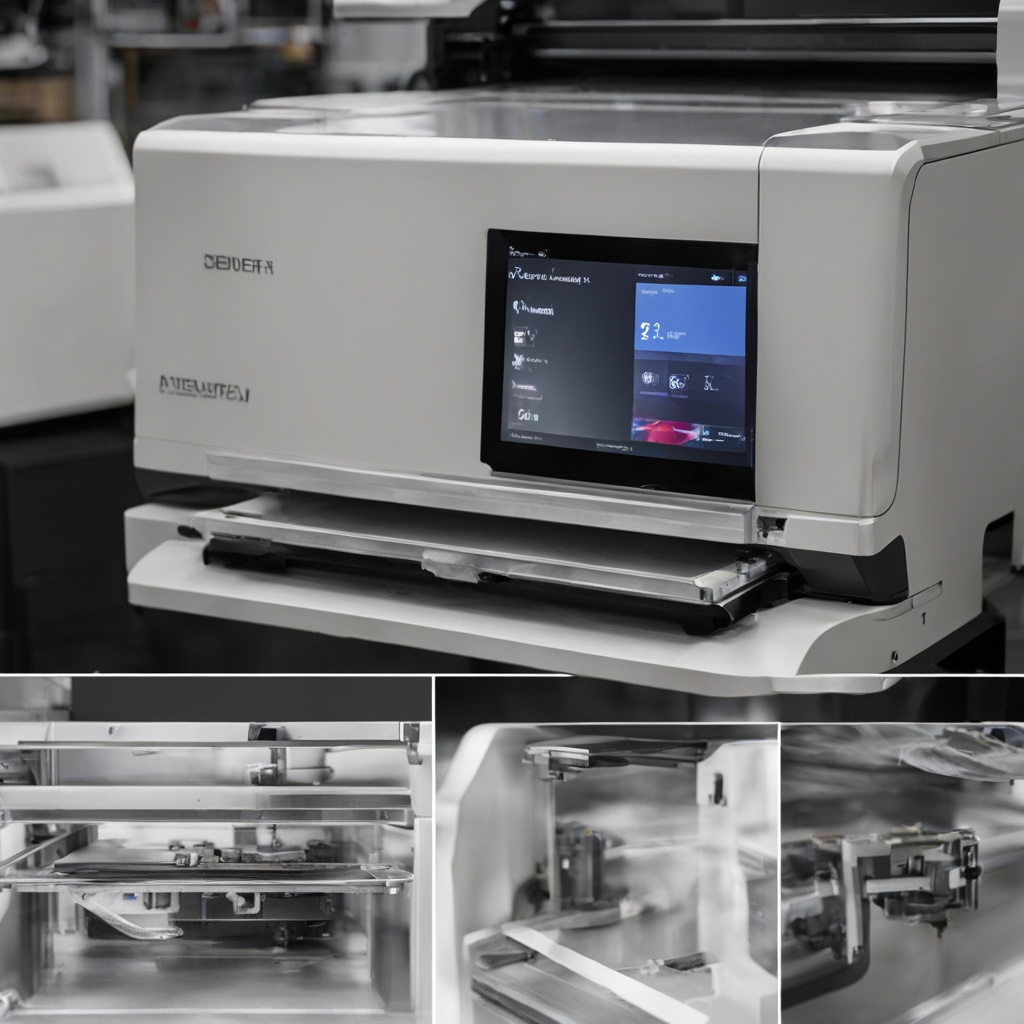
The sticker price of an imported Selective Laser Sintering printer is merely the entry point to a labyrinth of hidden costs. In 2025, a European-made industrial SLS system with a 300x300x300mm build volume may be quoted at ₹75-90 lakhs ex-works. However, by the time it lands in an Indian facility, the cost inflates by approximately 52-58%. This includes a 22.5% Basic Customs Duty (BCD), 12% Integrated Goods and Services Tax (IGST) on the landed value, a 10% Social Welfare Surcharge, and freight and insurance charges that have remained volatile. Furthermore, installation and commissioning often require flying in foreign engineers, with daily rates exceeding ₹1.5 lakh plus accommodation. In contrast, an Indian-made SLS printer like the SinterX Pro, with a comparable 320x320x350mm build volume, is sold at a landed price of ₹48-65 lakhs, inclusive of all taxes. Commissioning is typically handled within 5 working days by domestic engineers, with no hidden forex or logistics surprises.
The financial narrative deepens when considering financing and government incentives. Under the revised Production Linked Incentive (PLI) Scheme for Advanced Chemistry Cell (ACC) and drone components, capital expenditure on indigenous manufacturing equipment, including 3D printers, can qualify for direct fiscal benefits. The Defence Acquisition Procedure (DAP) 2020 prioritizes 'Buy Indian-IDDM' (Indigenously Designed, Developed and Manufactured) categories, making domestically sourced capital equipment strategically advantageous for defense suppliers. Imported machinery rarely qualifies for these schemes. Our engineers at Autoabode have assisted multiple MSMEs in navigating these incentives, where the effective net capital cost of an Indian SLS system can be reduced by an additional 15-20% through timely claims, a benefit almost impossible to realize on imported capital goods.
A 2025 TCO model for a 5-year period shows that while an imported SLS printer may have a 15% lower upfront cost in some cases, its total lifetime cost exceeds an Indian-made system by over 60% when import duties (22.5%), 3x higher annual maintenance costs, and 8-week average lead time for spares (costing 18% in downtime) are factored in.
- Laser and Optics Maintenance: Imported systems require periodic calibration and replacement of laser diodes/modules sourced from OEMs abroad, with lead times of 8-12 weeks and costs 3-4x higher than domestically serviced CO2 laser systems used in Indian machines.
- Powder Management System: Consistent nitrogen atmosphere generation and powder sieving/recycling systems in imported printers often need proprietary filters and parts. Indian systems like the SinterX Pro use standardized, locally available industrial filters, reducing annual consumable cost by ~70%.
- Software Licensing and Updates: Annual software support contracts for imported SLS printers can cost ₹8-15 lakhs, with mandatory updates. Indian manufacturers typically offer perpetual licenses or annual support at 20-30% of that cost, with customization for local file formats.
- Power and Utility Consumption: Imported 3D printers are often designed for stable 230V/50Hz European grids. In Indian conditions with fluctuations, they require an additional online UPS or voltage stabilizer (₹4-6 lakhs). Indian-made systems are engineered for 190-250V input, saving this ancillary capex.
- Training and Operational Downtime: Training on complex imported systems often requires sending engineers overseas or hosting expensive trainers, leading to prolonged ramp-up. Local manufacturers provide extensive in-situ training, reducing skill acquisition time by 50%.
Operational Performance and Lifecycle Value
Uptime, Throughput, and Real-World Reliability
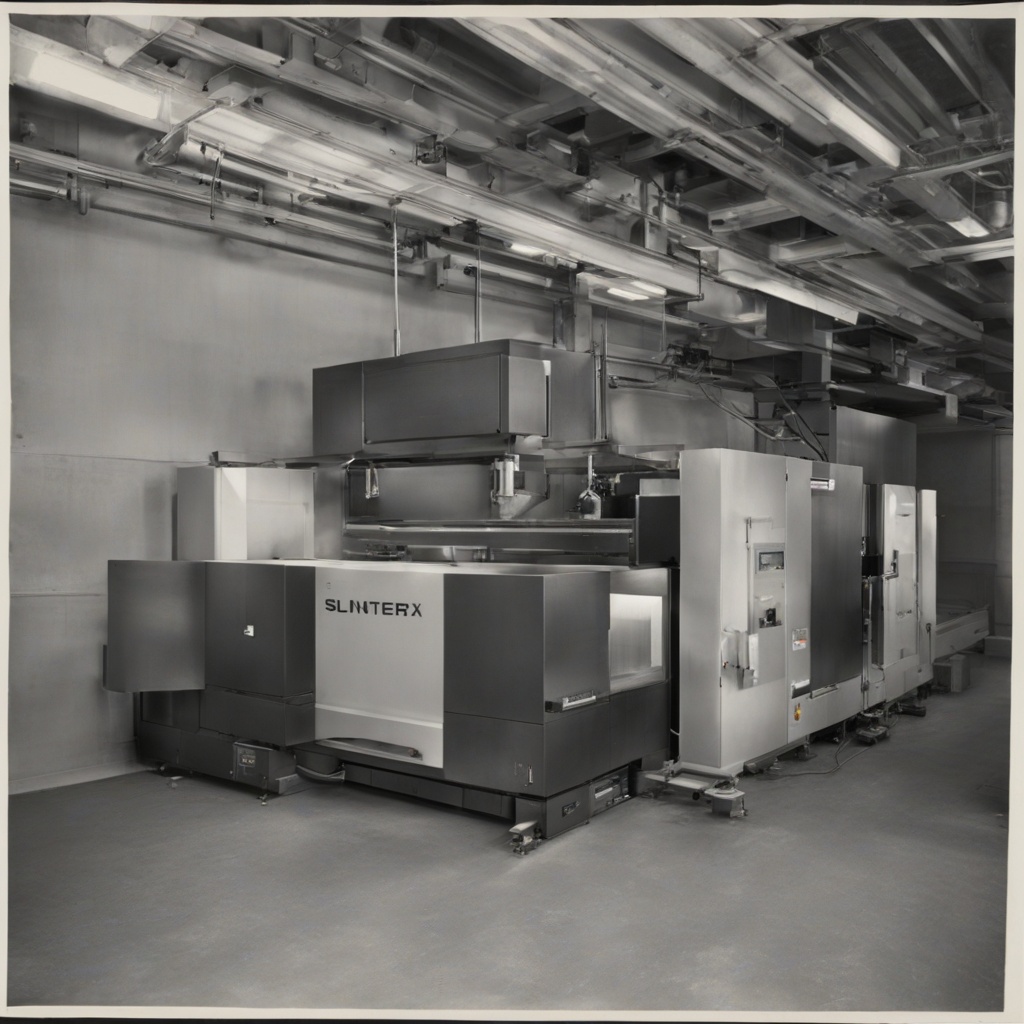
Theoretical specifications on a datasheet pale in comparison to real-world uptime. A critical metric for SLS printer performance in 2025 is operational availability—the percentage of time the machine is actually producing parts. Imported systems, while sophisticated, often suffer from extended downtime due to the logistics of spare parts. A failed heated roller or temperature sensor can halt production for 6-10 weeks awaiting air freight and customs clearance. Clients including DRDO report that for certain imported SLS systems, annual availability has dropped to 65-75% in Indian operational environments. Conversely, Indian-made printers benefit from a localized supply chain. For instance, the Autoabode SinterX Pro maintains an average operational availability of 92-95% for clients like IITs, with most mechanical and electronic spares delivered within 48-72 hours anywhere in India.
Throughput and part quality are where the debate intensifies. Imported printers traditionally held an edge in fine detail, quoting layer resolutions down to 60 microns. However, by 2025, leading Indian SLS printers have closed this gap. The SinterX Pro achieves consistent 80-micron layers with a 70W CO2 laser, producing parts with tensile strength of 48 MPa and a density of 0.95-0.98 g/cm³ in PA12, which meets or exceeds ASTM D638-14 standards required for functional prototyping and end-use parts in aerospace and automotive applications. More importantly, Indian machines are optimized for locally available polymer powders. While imported systems often mandate the use of proprietary powders costing ₹3,500-₹5,000 per kg, Indian printers are tested and calibrated for grades produced domestically, bringing material costs down to ₹1,800-₹2,500 per kg without sacrificing part integrity.
The Strategic Imperative: Why 'Make in India' for SLS is a 2025 Necessity
Beyond pure economics, choosing an Indian-made SLS printer in 2025 aligns with national strategic and technological sovereignty goals. In sectors like defense, space, and critical infrastructure, dependence on foreign technology for core manufacturing tools like 3D printers introduces supply chain vulnerabilities. The SinterX Pro's control software and electronics stack are entirely developed in-house, ensuring no backdoor vulnerabilities—a paramount concern for DRDO and Indian Army projects involving UGV Interceptor components or specialized drone housings for the BotBit UAV series. Furthermore, indigenous development allows for rapid customization. When ISRO needed a modified build chamber for specialized satellite brackets, our team at Autoabode delivered a design iteration in 3 weeks; a similar request to a foreign OEM had a lead time of 9 months. This agility is a direct performance multiplier.
Integration with the broader Indian industrial ecosystem is another decisive factor. Indian SLS printers are designed to work seamlessly with post-processing equipment, CMMs, and design software commonly used in Indian engineering firms. They also create opportunities for local rapid prototyping services hubs to become globally competitive. The government's push, through the PLI scheme and the 'Atmanirbhar Bharat' initiative, is creating a fertile ground for domestic additive manufacturing. By investing in an Indian SLS printer, organizations are not just buying a machine; they are investing in a resilient, localized innovation ecosystem. For those evaluating the long-term roadmap, starting with a domestic system like the SinterX Pro for core prototyping and then scaling with solutions like the Duper XL FDM series for large-format tooling creates a fully integrated, sovereign manufacturing cell. We encourage all serious evaluators to contact Autoabode for a detailed, facility-specific TCO simulation based on your annual part volume and material needs.
Frequently Asked Questions
Q: What is the actual price difference between Indian and imported SLS printers in 2025?
A: The upfront purchase price of an Indian SLS printer like the Autoabode SinterX Pro is typically 20-35% lower than a comparable imported system with similar build volume (300x300x300mm range). However, the more significant difference emerges after adding import duties (22.5% BCD + other levies), shipping, insurance, and installation. The landed cost of an imported printer can be 50-60% higher than its ex-factory price. For example, an imported machine quoted at ₹80 lakhs ex-Europe can end up costing over ₹1.3 crores in India, while a domestic machine with a ₹55 lakh sticker price is the final price, with no hidden import costs. This makes the effective initial capital outlay for the Indian machine nearly 40-50% lower in real terms.
Q: Is the print quality and precision of Indian SLS printers comparable to German or US brands?
A: Yes, by 2025, the leading Indian SLS printers have achieved parity in key quality metrics. For instance, the Autoabode SinterX Pro delivers a consistent laser spot size of 450µm, layer resolution of 80-100 microns, and produces PA12 parts with tensile strength of 48 MPa and elongation at break of 18-22%. These specifications meet international ASTM standards for functional prototyping and end-use parts. The perceived gap in 'precision' often relates to surface finish on highly complex geometries, where imported machines may have an edge. However, for over 95% of industrial applications—including functional prototypes, jigs, fixtures, and low-volume end-use parts—clients including BHEL and IITs report no discernible difference in part performance. The consistency is achieved through precision-engineered Indian optics and robust chamber temperature control systems (±1.5°C).
Q: How does the availability of spare parts and service compare?
A: This is where Indian-made SLS printers hold a decisive performance advantage. For imported printers, the average lead time for critical spares (like laser tubes, heating elements, or board assemblies) is 6-10 weeks, factoring in international shipping and customs. Annual maintenance contracts (AMCs) are also costly, often 12-18% of the machine's capital cost. In contrast, Indian manufacturers maintain local inventories. At Autoabode, we guarantee delivery of 95% of spare parts within 72 hours across India, and our comprehensive AMC costs 6-8% of the machine price. This translates directly to higher machine uptime—92-95% for Indian systems versus 70-80% for imported ones in similar operating environments—making a massive difference in production throughput and return on investment.
Q: Can Indian SLS printers use the same high-quality nylon powders as imported machines?
A: Indian SLS printers are not only compatible with high-quality powders but are often optimized for them. While they can process imported powders like PA12 from BASF or EOS (costing ₹4,000-5,500/kg), their real economic advantage lies in using high-grade Indian powders. Domestic material suppliers now produce PA11, PA12, and TPU powders that meet ISO/ASTM standards at ₹1,800-2,800 per kg. The SinterX Pro's material handling system is calibrated for these local powders, ensuring excellent flowability and sintering behavior. This reduces material cost by 40-50%, which is the single largest operational expense in SLS printing. Furthermore, using local powders eliminates import delays and forex fluctuation risk on material inventory, a significant factor in stable production planning for SLS materials.
The decision between an Indian-made and an imported SLS printer in 2025 is no longer about settling for less. It is a strategic calculation where domestic options offer superior total cost of ownership, unmatched operational responsiveness, and alignment with national self-reliance goals. The performance gap has narrowed to the point of inversion in key areas like uptime and lifecycle cost. For Indian industries aiming to build resilient, competitive, and innovative manufacturing capabilities, the data-driven choice is increasingly clear. The future of industrial additive manufacturing in India is being built here, with technology that understands and is built for local challenges. To explore how a domestically engineered SLS solution can transform your production line, connect with our team for a detailed consultation and facility assessment.
Frequently Asked Questions
The upfront purchase price of an Indian SLS printer like the Autoabode SinterX Pro is typically 20-35% lower than a comparable imported system with similar build volume (300x300x300mm range). However, the more significant difference emerges after adding import duties (22.5% BCD + other levies), shipping, insurance, and installation. The landed cost of an imported printer can be 50-60% higher than its ex-factory price. For example, an imported machine quoted at ₹80 lakhs ex-Europe can end up costing over ₹1.3 crores in India, while a domestic machine with a ₹55 lakh sticker price is the final price, with no hidden import costs. This makes the effective initial capital outlay for the Indian machine nearly 40-50% lower in real terms.
Rohan Mehta
Head of Additive Manufacturing Research, Autoabode · Autoabode Consumer Electronics Pvt. Ltd.
Expert author at Autoabode — writing at the intersection of industrial 3D printing, defence manufacturing, and advanced UAV systems. Based in New Delhi, India.
Explore Autoabode's Platforms
This article is part of Autoabode's technical journal. Learn more about our core platforms built in India for defence, aerospace, medical and industrial teams:
More from the Journal
Off-Grid Communication Solutions for Mountainous Terrain: An Engineering Field Guide for India's High-Altitude Operators
Off-grid communication solutions for mountainous terrain are not optional in India — they are the difference between a coordinated operation and a stranded section. This engineering field guide breaks down the radio physics that defeats conventional VHF/UHF in the Himalayas, the mesh architectures that survive ridge-line shadowing, and the cold-weather, power-budget and security trade-offs that determine whether a system delivers in the Karakoram and Western Ghats. Built around real deployment data from Autoabode's MeshVani encrypted communicator and MeshVani Relay platform in service with the Indian Army, ITBP, NDRF and high-altitude expedition teams.
Drones & UAV · 7 min readModular UAV Payloads for Multi-Role Missions: A Technical Guide
Explore the technical specifications and strategic advantages of modular UAV payloads for multi-role missions. This guide covers hot-swap systems, sensor fusion, and real-world applications for defense and industry.