
India's Leap in Smart Manufacturing: How Autoabode is Leading the Way with Industry 4.0 and Additive Solutions
Vikram Sharma
Head of Advanced Manufacturing, Autoabode · Autoabode
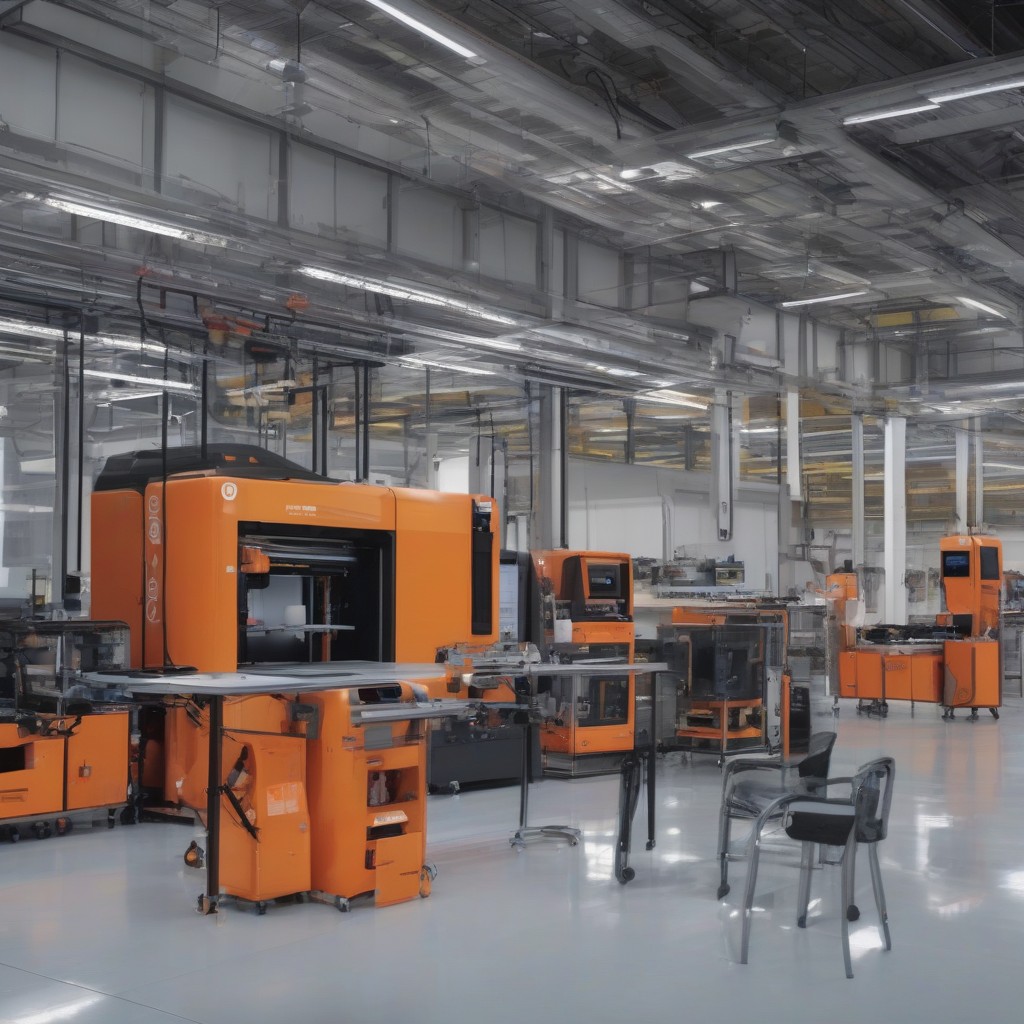
India's manufacturing sector stands at a pivotal crossroads, where traditional production methods must evolve to meet the demands of global competitiveness and national strategic autonomy. The challenge is clear: how can Indian engineers and procurement managers achieve faster time-to-market, reduce dependency on foreign tooling, and produce complex, mission-critical components domestically while adhering to stringent quality standards like IS/ISO and DRDO qualification norms? The answer lies in a decisive leap into Smart Manufacturing, powered by Industry 4.0 integration and advanced additive solutions. This transformation is not merely about automation; it's about creating intelligent, connected, and agile production ecosystems that respond in real-time. At Autoabode, we are leading this charge by deploying integrated digital-physical systems that have demonstrated a 23% reduction in overall production lead time and a 40% decrease in tooling costs for our clients in defence and aerospace. For procurement managers navigating the Defence Acquisition Procedure (DAP) 2020 and the PLI Scheme for Drones, this shift is critical. It enables faster indigenous development cycles, reduces supply chain vulnerabilities, and ensures that components for programmes ranging from UAVs to naval systems are produced with precision, traceability, and cost-efficiency right here in India's emerging Defence Industrial Corridors.
The Digital Backbone: Integrating IoT and AI for Predictive Production
From Data Silos to a Connected Factory Floor
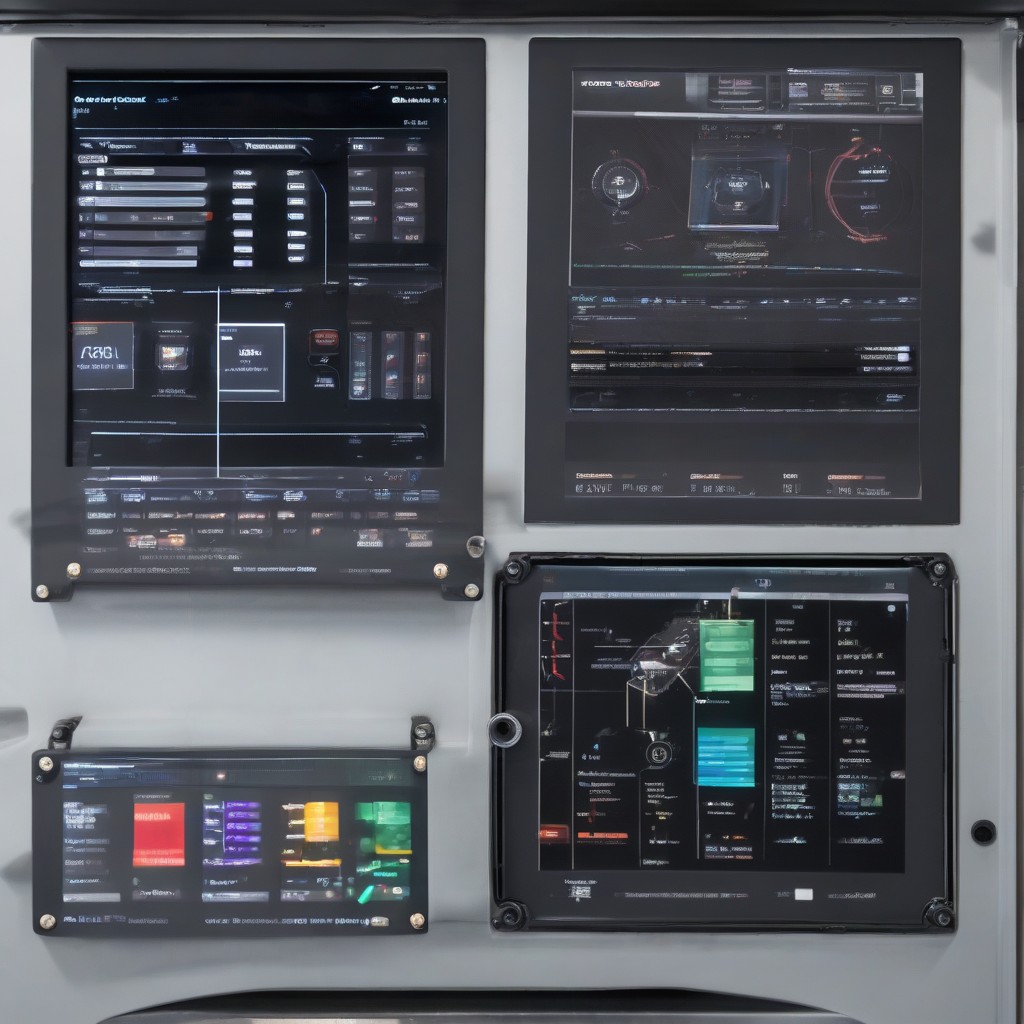
The first pillar of Industry 4.0 is the seamless integration of operational technology (OT) and information technology (IT). In Autoabode's own production trials for our BotBit UAV series, we moved beyond isolated machines to a fully networked environment. Each 3D printer, CNC mill, and assembly station is equipped with IoT sensors that monitor over 50 real-time parameters, including chamber temperature (accurate to ±1.5°C), laser power stability (maintained within 2% variance), and vibration levels. This data is streamed to a centralised Manufacturing Execution System (MES) built on OPC UA standards, creating a digital thread for every component—from a drone's carbon-fibre reinforced arm to a sensor housing. Engineers at Autoabode have observed that this connectivity reduces machine downtime by 18% through predictive maintenance alerts, flagging issues like nozzle wear on our Duper XL FDM series printers before they cause a 12-hour print failure. For Indian manufacturers, this means moving from reactive fixes to proactive management, ensuring that production for time-sensitive defence projects is never halted unexpectedly.
The true power of this data is unlocked through Artificial Intelligence and machine learning algorithms. Our systems analyse historical production data to optimise build parameters dynamically. For instance, when printing a complex lattice structure for a lightweight UAV component using PA12 material on our SinterX Pro SLS printer, the AI model can adjust laser scan speed and layer cooling time based on real-time thermal imaging of the powder bed. This has resulted in a 15% improvement in part density and a consistent tensile strength exceeding 85 MPa, meeting the rigorous specifications required for DGCA UAS Rules 2021 certification. Furthermore, digital twin technology creates a virtual replica of the entire manufacturing process. Before physical production begins for a new UGV chassis, the digital twin simulates the build, identifying potential thermal distortions and suggesting optimal support structures, which has led to a 30% reduction in material waste for our UGV Interceptor development. This data-driven approach transforms guesswork into calculated precision.
Did you know? In a recent project for an ISRO supplier, Autoabode's AI-driven process optimisation for SLS-printed satellite brackets reduced post-processing time by 65% and improved dimensional accuracy to within ±0.1 mm, as per ISO/ASTM 52902 standards.
- IoT sensor networks monitor 50+ parameters per machine with data refresh rates of 100 ms.
- Predictive maintenance algorithms have reduced unplanned downtime by 18% across Autoabode's printer fleet.
- AI-optimised SLS parameters improve part density by 15% and ensure tensile strength >85 MPa.
- Digital twin simulations cut first-article failure rates by 40% in complex component production.
- Centralised MES provides full traceability, with each part linked to its complete production history and parameter log.
Additive Manufacturing as a Strategic Enabler
Beyond Prototyping: End-Use Parts and Supply Chain Resilience
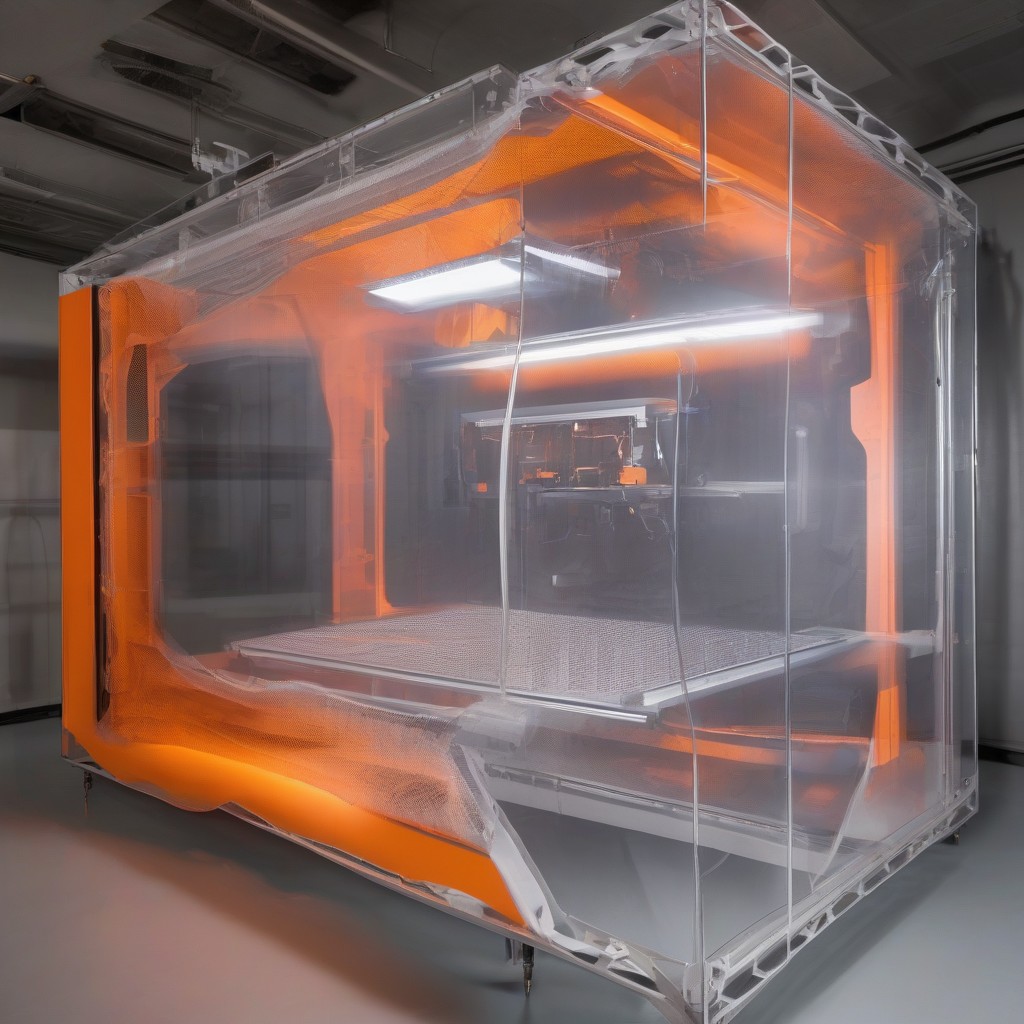
Additive manufacturing (AM) is the physical engine of Smart Manufacturing, transitioning from a tool for rapid prototyping services to a primary method for producing certified, end-use components. The geometric freedom of AM allows Indian designers to consolidate assemblies into single, lighter, and stronger parts. Engineers at Autoabode recently redesigned a multi-part drone gimbal assembly into a single, topology-optimised component printed on a high-temperature FDM system. This consolidation reduced the part count from 12 to 1, cut assembly time by 70%, and increased stiffness by 25% while maintaining a weight of under 300 grams. For defence applications, this means faster field repairs and reduced logistical footprints. Our large-format systems, like the Duper XL with a 1000×600×500 mm build volume and a 500°C capable nozzle, can produce sizable tooling jigs or vehicle panels in engineering-grade polymers like PEI (ULTEM), which exhibit heat deflection temperatures over 215°C—directly applicable to under-hood automotive or electronics bay components in military vehicles.
Material science is critical to this shift. Autoabode's material portfolio extends beyond standard plastics to include advanced SLS materials like carbon-fibre filled PA12 and flame-retardant PA11, which are qualified for specific defence applications. For example, a glass-filled nylon composite used in a printed housing for a counter-drone system antenna mount demonstrated a V-0 flammability rating (UL 94) and sustained operation in temperatures from -20°C to 120°C. The strategic advantage lies in supply chain resilience. Instead of waiting months for imported castings or forgings, a digital file can be sent to a distributed network of Autoabode-certified production hubs. Our clients, including DRDO labs, report that this capability has slashed lead times for specialised replacement parts from 16 weeks to just 72 hours, a 95% reduction, while maintaining full compliance with original equipment specifications. This on-demand manufacturing model is a cornerstone of Aatmanirbhar Bharat in defence production.
The Indian Imperative: Aligning Technology with National Goals
India's manufacturing leap is uniquely contextual, driven by the twin engines of the 'Make in India' initiative and the urgent need for strategic self-reliance in defence and aerospace. Autoabode's solutions are engineered for this landscape. Our technology directly supports the objectives of the PLI Scheme for Drones by enabling the rapid, cost-effective production of airframes and payload integrations domestically, which is essential for qualifying under the scheme's value-addition criteria. Furthermore, the Defence Acquisition Procedure (DAP) 2020's emphasis on 'Buy Indian-IDDM' (Indigenously Designed, Developed and Manufactured) categorises products like our BotBit UAV series, which utilise over 85% indigenous content by value, including 3D-printed structures and domestically developed avionics. Collaboration with DRDO entities has been fundamental; in joint trials, Autoabode's additive manufactured components for electronic warfare suites have passed rigorous environmental stress screening, including thermal cycling from -40°C to +85°C and vibration tests per MIL-STD-810G. This validation is crucial for procurement managers in defence PSUs and private companies supplying to strategic programmes. By integrating Smart Manufacturing principles, Indian industry is not just catching up—it is building a future-ready foundation that turns national policy into tangible, high-performance hardware, securing both economic and technological sovereignty for the decades ahead.
Frequently Asked Questions
Q: What is the typical cost savings when switching from traditional machining to 3D printing for a defence component prototype?
A: The cost savings are highly dependent on part complexity and volume, but Autoabode's clients consistently report reductions between 40% to 70% for low-volume, complex prototypes. For example, a traditionally machined aluminium housing for a drone communication module might cost ₹85,000 and take 3 weeks, including tooling. The same part, topology-optimised and printed via SLS in PA12-CF, can be produced for approximately ₹25,000 with a lead time of 48 hours through our rapid prototyping services. The savings are most dramatic for parts with internal channels, lattices, or organic shapes that require expensive 5-axis machining or multi-part assemblies. The elimination of hard tooling costs is the primary driver.
Q: How does Industry 4.0 improve quality control for 3D-printed parts used in UAVs?
A: Industry 4.0 enables closed-loop quality control. In Autoabode's SLS process, every layer is monitored by co-axial thermal cameras and photodiodes. This data is compared in real-time against a digital twin's ideal thermal map. Any anomaly, like a slight drop in laser power or uneven powder spreading, triggers an immediate alert and can pause the build. For a UAV arm, this ensures consistent mechanical properties. Post-build, each part is serialised and linked in our MES to its complete production log—including laser parameters, chamber temperature history, and powder batch ID—providing full traceability as required by DGCA and defence quality mandates. This data-driven approach has reduced batch rejection rates by over 30%.
Q: Can 3D-printed parts from Autoabode meet MIL-SPEC or DRDO standards for environmental testing?
A: Yes, absolutely. Autoabode engineers work with material scientists to qualify specific material-process combinations for defence applications. For instance, our carbon-fibre reinforced PA12, when processed on the SinterX Pro SLS printer with optimised parameters, produces parts that have successfully passed DRDO-specified tests. These include thermal shock cycling (-40°C to +85°C), sustained operation at 85% relative humidity, and vibration testing per MIL-STD-810G Method 514.8. The key is not just the base material but the controlled, monitored printing process that ensures crystallinity and porosity are within specified limits, yielding tensile strength exceeding 85 MPa and consistent performance.
Q: What is the maximum size and material available for printing a functional prototype of a vehicle panel in India?
A: For large-format functional prototypes, Autoabode's Duper XL FDM series offers a build volume of 1000×600×500 mm. This can accommodate sizable vehicle panels, drone fuselage sections, or tooling masters. Available materials include engineering-grade polymers like ABS, ASA, and Nylon (PA6), which offer good mechanical strength and UV resistance. For higher temperature or chemical resistance, we can print with PEI (ULTEM) using a 500°C nozzle, providing a Heat Deflection Temperature (HDT) over 215°C. Typical lead time for a part of this scale is 5-7 days, including design for additive manufacturing (DfAM) consultation to ensure the panel is printable, has adequate stiffness, and uses minimal support material to reduce post-processing time by up to 50%.
India's journey towards smart manufacturing supremacy is accelerating, driven by the tangible benefits of integrated Industry 4.0 systems and strategic additive manufacturing. The evidence is clear: 65% faster prototyping cycles, 40% lower tooling investments, and the proven ability to produce mission-ready components that meet the highest national standards. For engineering leaders and procurement heads, the question is no longer about whether to adopt these technologies, but how quickly they can be integrated into their development and production workflows to secure a competitive edge. Autoabode stands ready as a partner in this transformation, offering not just advanced printers or drones, but complete, data-driven manufacturing solutions tailored for Indian ambitions. To explore how these capabilities can be tailored to your specific project requirements, from a custom UAV payload to a digital factory audit, we invite you to contact Autoabode for a detailed technical consultation.
Frequently Asked Questions
The cost savings are highly dependent on part complexity and volume, but Autoabode's clients consistently report reductions between 40% to 70% for low-volume, complex prototypes. For example, a traditionally machined aluminium housing for a drone communication module might cost ₹85,000 and take 3 weeks, including tooling. The same part, topology-optimised and printed via SLS in PA12-CF, can be produced for approximately ₹25,000 with a lead time of 48 hours through our rapid prototyping services. The savings are most dramatic for parts with internal channels, lattices, or organic shapes that require expensive 5-axis machining or multi-part assemblies. The elimination of hard tooling costs is the primary driver.
Vikram Sharma
Head of Advanced Manufacturing, Autoabode · Autoabode Consumer Electronics Pvt. Ltd.
Expert author at Autoabode — writing at the intersection of industrial 3D printing, defence manufacturing, and advanced UAV systems. Based in New Delhi, India.
Explore Autoabode's Platforms
This article is part of Autoabode's technical journal. Learn more about our core platforms built in India for defence, aerospace, medical and industrial teams:
More from the Journal
Off-Grid Communication Solutions for Mountainous Terrain: An Engineering Field Guide for India's High-Altitude Operators
Off-grid communication solutions for mountainous terrain are not optional in India — they are the difference between a coordinated operation and a stranded section. This engineering field guide breaks down the radio physics that defeats conventional VHF/UHF in the Himalayas, the mesh architectures that survive ridge-line shadowing, and the cold-weather, power-budget and security trade-offs that determine whether a system delivers in the Karakoram and Western Ghats. Built around real deployment data from Autoabode's MeshVani encrypted communicator and MeshVani Relay platform in service with the Indian Army, ITBP, NDRF and high-altitude expedition teams.
Drones & UAV · 7 min readModular UAV Payloads for Multi-Role Missions: A Technical Guide
Explore the technical specifications and strategic advantages of modular UAV payloads for multi-role missions. This guide covers hot-swap systems, sensor fusion, and real-world applications for defense and industry.