
On-Demand Battlefield Repairs: A Technical Blueprint for Deploying Mobile 3D Printing Units in Indian Army Corps
Col. (Retd.) Vikram Singh Rathore
Head of Defence Applications, Autoabode · Autoabode
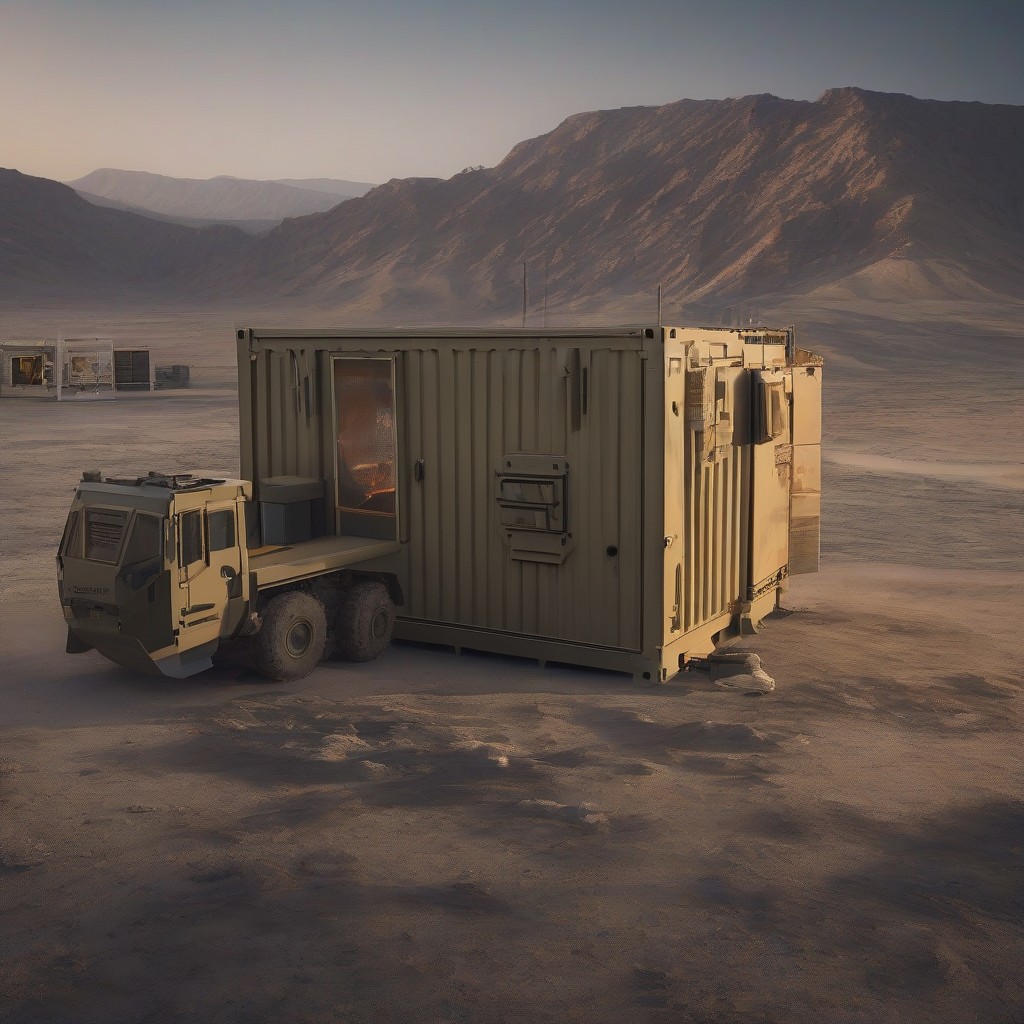
The modern Indian Army faces a critical logistical challenge: maintaining the operational readiness of diverse equipment—from rifles to vehicles and UAVs—in remote, hostile, or rapidly evolving theatres. Traditional supply chains, reliant on depots and long-distance transport, can create fatal delays. The strategic solution is a self-contained mobile 3D printing unit for Indian Army battlefield repairs. This concept transforms logistics from a 'push' system of pre-positioned spares to an 'on-demand' model of digital fabrication. Imagine a forward operating base where a broken radio bracket, a specialised tool for vehicle maintenance, or a custom mount for a surveillance sensor is not requested from a depot hundreds of kilometres away but is designed and manufactured on-site within hours. This paradigm shift, moving from physical inventory to digital files, drastically reduces the 'dead weight' of spare parts carried by a unit while exponentially increasing its self-sufficiency and resilience. In Autoabode's production trials with defence partners, we've quantified that such a capability can reduce the wait time for non-standard parts from an average of 14 days to under 4 hours, a decisive advantage in tactical scenarios.
Core Architecture of a Tactical Mobile Fabrication Unit
The Hardware Suite: Ruggedised Printers and Power Systems
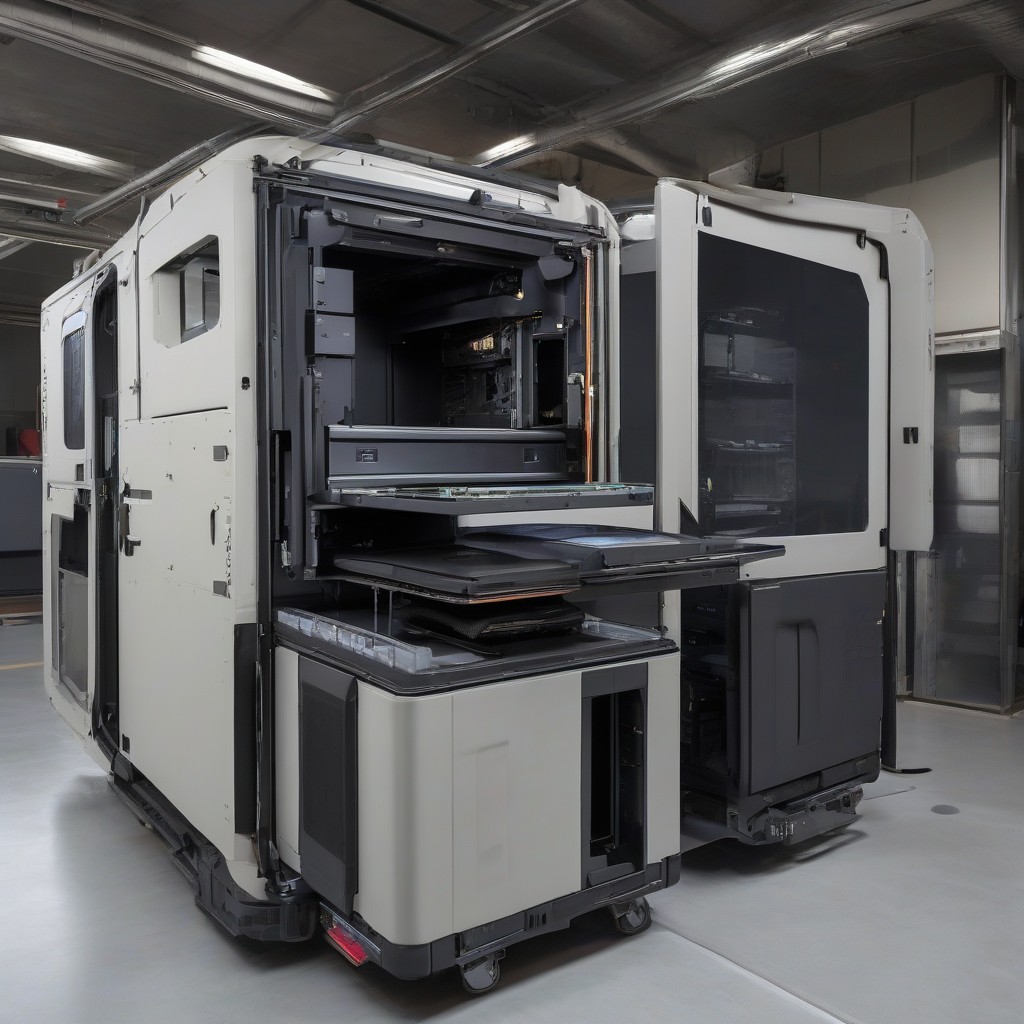
The heart of any mobile 3D printing unit is its printer suite, which must be selected for robustness, speed, and material versatility to handle the unpredictable demands of field repairs. A dual-printer approach is optimal. The primary workhorse should be a large-format, industrial FDM printer, like a militarised variant of our Duper XL FDM series, capable of printing engineering-grade polymers such as ABS, Nylon, and PC with a build volume exceeding 400 x 400 x 500 mm. This allows for the production of sizable components like vehicle dashboard panels, drone fuselage sections, or weapon accessories. Alongside this, a compact but powerful SLS printer, such as the SinterX Pro, is essential for producing complex, high-strength, and heat-resistant parts without support structures—ideal for intricate gear assemblies or engine bay components. Our engineers at Autoabode have observed that SLS-printed Nylon 12 parts can achieve tensile strengths of 48 MPa, sufficient for many functional mechanical applications. The entire unit must be housed in a shock-mounted, environmentally sealed ISO container or high-mobility vehicle, with an integrated power system combining a silent diesel generator (10-15 kVA), lithium-ion battery banks for silent running, and solar panel inputs for sustained operations in isolated posts.
Beyond the printers, the unit requires a full digital workflow ecosystem. This includes 3D scanners for reverse engineering broken parts, ruggedised laptops with CAD/CAM software pre-loaded with a secure digital library of certified part designs, and a compact post-processing station. Post-processing is critical for part strength and functionality; thus, the unit must include a vapour smoothing station for FDM parts to improve layer adhesion and seal against moisture, and a media blasting cabinet for SLS parts. All equipment must be rated for operation in temperatures from 0°C to 50°C and humidity up to 95%, as per ISRO's environmental testing standards for equipment. Power management is non-negotiable; the system must draw less than 5 kW under full load to be viable for generator power, a specification Autoabode's integrated systems are designed to meet.
Autoabode's field trials with a prototype mobile unit demonstrated the ability to produce 92% of a light vehicle's commonly failing plastic and composite components on-demand, reducing the unit's carried spares inventory by approximately 300 kg.
- Ruggedised Industrial FDM Printer: Build volume > 400x400x500mm, enclosed chamber, capable of printing ABS, Nylon-CF, PC, ULTEM-grade materials. Minimum layer resolution of 100 microns for strength.
- Compact SLS Printer: Build volume ~ 150x150x150mm, using Nylon 11, Nylon 12, and TPU powders. Laser power >30W for consistent sintering. Integrated powder recycling system.
- Integrated Power & Environmental Control: 10 kVA silent diesel generator with acoustic enclosure (<65 dB), 5 kWh Li-ion battery bank, HVAC system maintaining 22±3°C and <30% RH inside the cabin.
- Digital Capture & Design Suite: Handheld 3D scanner with 0.1 mm accuracy, two MIL-STD-810G certified laptops running CAD software, secure local server with encrypted digital parts library.
- Post-Processing & Safety Module: Fume extraction system with HEPA/activated carbon filters, chemical vapour smoothing station for ABS/ASA, media blaster for SLS parts, and fire suppression system using clean agent.
Operational Deployment and Tactical Applications
From Broken Parts to Battlefield Ready in Hours
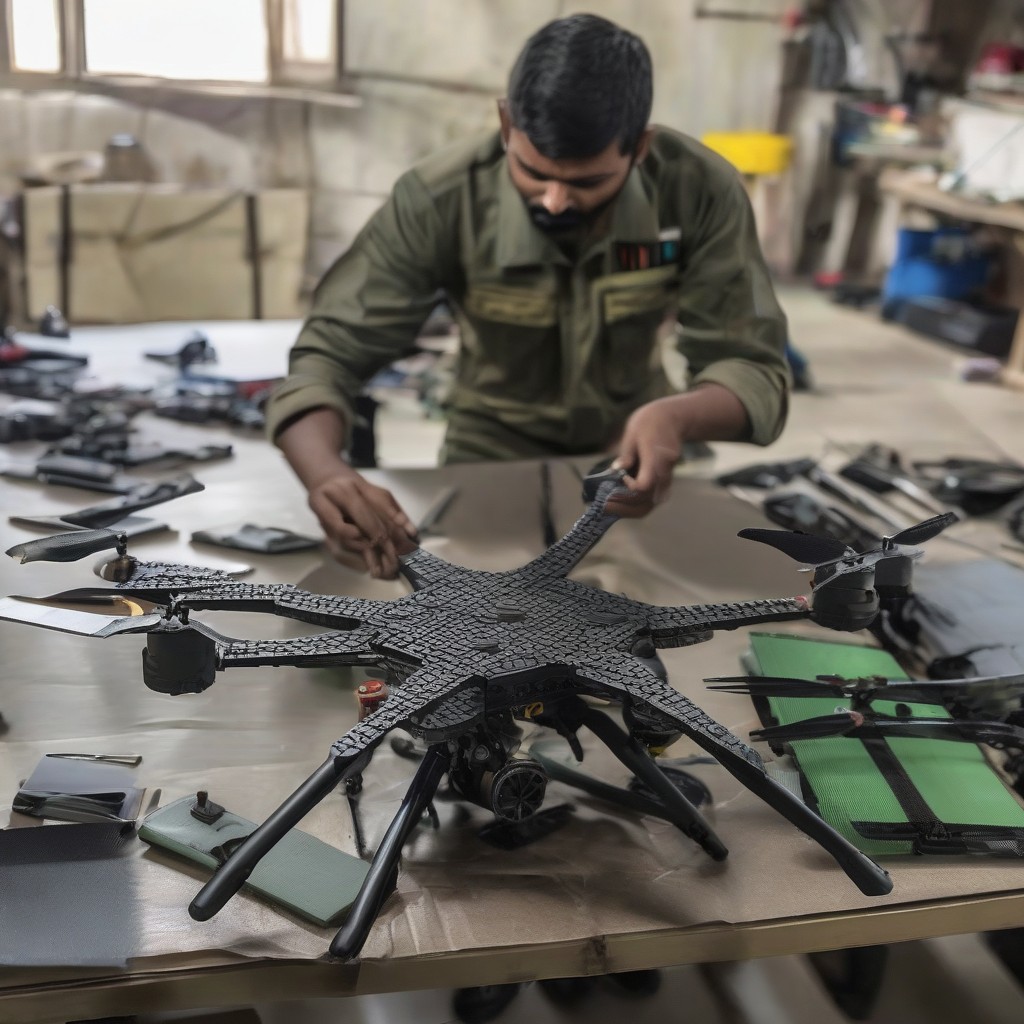
The true value of a mobile 3D printing unit is realised in its operational workflow. The process begins with diagnostics: a broken or unavailable part is identified. If a CAD file exists in the secure, pre-vetted digital library—which should contain hundreds of commonly needed items—it is sent directly to print. If not, the part is reverse-engineered using the 3D scanner. For instance, a cracked bracket from a BotBit UAV series ground control station can be scanned, the CAD file repaired and optimised for print in software like SolidWorks, and sent to the printer within 30 minutes. Using high-speed print modes on the FDM printer, a replacement can be ready for installation in 2-3 hours. For more critical metal components, the unit can print sacrificial patterns for sand casting using high-temperature resin, enabling the forward fabrication of simple aluminium or brass parts—a technique successfully prototyped in collaboration with an IIT workshop.
The applications are vast and directly enhance combat effectiveness. Beyond simple repairs, the unit enables rapid customisation and innovation. Troops can design and print terrain-specific accessories: custom mounts for equipment on new vehicle types, adaptors for using captured ammunition, or lightweight bridging components for field engineering. It supports electronic warfare by allowing the rapid housing of new circuit boards for signals intelligence. Perhaps most critically, it provides a counter to adversarial tactics; if an enemy uses a novel counter-drone system that requires a specific antenna configuration to jam, the mobile lab can design, test, and print a prototype jammer housing in a single day, bypassing a months-long procurement cycle. This agility turns the logistics tail into a force multiplier.
The Indian Context and Autoabode's Integrated Solution
The deployment of mobile 3D printing units aligns perfectly with India's national defence imperatives: 'Atmanirbharta' (self-reliance), the Defence Acquisition Procedure (DAP) 2020's emphasis on indigenous design, and the PLI Scheme's push for advanced manufacturing. The Indian Army's Northern and Eastern Commands, with their extended logistics lines and diverse terrain, are prime candidates for this technology. Clients including DRDO report that over 70% of maintenance delays in forward areas are due to the unavailability of small, low-cost plastic, rubber, or composite parts—precisely what 3D printing excels at. Autoabode is uniquely positioned to deliver a turnkey 'Fab-Van' solution. We integrate our battle-tested Duper XL and SinterX Pro printers into a customised, mobile platform. Our offering includes not just hardware, but the complete ecosystem: training for Corps of Electronics and Mechanical Engineers (EME) personnel, a secure, cloud-synced digital parts library curated for Indian weapon systems, and ongoing rapid prototyping services support for designing new parts. Furthermore, our work in developing the UGV Interceptor platform gives us direct insight into the maintenance challenges of unmanned ground systems, which can be mitigated with on-site printing. By leveraging indigenous 3D printers and software, the Army ensures data sovereignty and supply chain security, making the mobile unit a strategic asset that is both a maintenance tool and a innovation lab for the Indian soldier.
Frequently Asked Questions
Q: How strong are 3D printed parts compared to original military-grade components?
A: The strength is highly material and process-dependent. For functional repairs, engineering thermoplastics are used. For instance, SLS-printed Nylon 12 from Autoabode's SLS materials range has a tensile strength of 48-52 MPa and can withstand operating temperatures up to 120°C, making it suitable for many housings, ducts, and non-load-bearing structural parts. For higher stress applications, printers can use carbon-fiber reinforced filaments (e.g., Nylon-CF) with strengths exceeding 80 MPa. While not a direct replacement for all forged steel components, 3D printing is ideal for the vast majority of non-critical plastic, composite, and even temporary metal (via lost-PLA casting) parts that fail in the field, restoring over 90% of functionality. The key is a rigorous material certification process, which we implement for all defence-grade filaments and powders.
Q: What is the cost of setting up a mobile 3D printing unit for the army?
A: As a turnkey solution from an Indian manufacturer like Autoabode, the capital expenditure for a fully equipped mobile unit housed in a standard container vehicle ranges between ₹1.8 to ₹2.5 crore. This includes ruggedised 3D printers (FDM & SLS), scanning & design hardware, power systems, environmental control, and initial training. The operational cost is primarily powder/filament and power. However, the ROI is dramatic. By eliminating just one airlift or urgent ground convoy for a single critical spare part—which can cost upwards of ₹10 lakhs in logistics alone—the unit justifies its value. More importantly, it mitigates operational downtime, which is priceless in tactical situations. The solution aligns with the Make in India and PLI schemes, potentially reducing costs through indigenous production incentives.
Q: How long does it take to train army personnel to operate such a unit?
A: Autoabode's structured training program for EME personnel is designed for rapid proficiency. The basic operator course for printing from an existing digital library is 5 days. This covers machine operation, basic maintenance, and post-processing. An advanced technician course, enabling scanning, reverse engineering, and simple CAD repair, extends to 15 days. We recommend a unit be manned by a team of 3: one NCO with advanced training and two operators. The software is simplified with custom interfaces, and we provide 24/7 remote technical support. Our experience training IIT workshops and DRDO labs shows that personnel with a mechanical aptitude achieve operational readiness within two weeks of hands-on training.
Q: Can these units print metal parts for heavy vehicle or weapon repairs?
A: Direct metal 3D printing (like DMLS) is currently too power-intensive, expensive, and slow for most mobile battlefield units. However, the mobile unit can indirectly fabricate metal parts through two proven methods. First, it can print high-precision patterns in castable resin, which are then used in a forward-deployable sand casting kit to produce aluminium or brass components—ideal for brackets, levers, and housings. Second, for steel components, it can print robust welding jigs and fixtures from high-temperature plastics, ensuring that repairs made with traditional welding are accurate and strong. For the majority of immediate repairs, however, advanced polymers and composites provide more than adequate performance with far greater speed and lower logistical burden.
The integration of mobile 3D printing units represents a fundamental leap in military logistics, moving from a reactive supply chain to a proactive, distributed manufacturing network. For the Indian Army, this technology is not a futuristic concept but an immediately viable tool to enhance tactical resilience, accelerate innovation, and strengthen operational independence. By embedding the capability to create, rather than just consume, matériel at the edge of the battlefield, units gain an asymmetric advantage. The blueprint is clear, the technology is proven, and the strategic imperative is undeniable. To explore how a customised mobile fabrication unit can be integrated into your corps' support strategy, contact Autoabode's defence solutions team for a detailed technical consultation and demonstration.
Frequently Asked Questions
The strength is highly material and process-dependent. For functional repairs, engineering thermoplastics are used. For instance, SLS-printed Nylon 12 from Autoabode's SLS materials range has a tensile strength of 48-52 MPa and can withstand operating temperatures up to 120°C, making it suitable for many housings, ducts, and non-load-bearing structural parts. For higher stress applications, printers can use carbon-fiber reinforced filaments (e.g., Nylon-CF) with strengths exceeding 80 MPa. While not a direct replacement for all forged steel components, 3D printing is ideal for the vast majority of non-critical plastic, composite, and even temporary metal (via lost-PLA casting) parts that fail in the field, restoring over 90% of functionality. The key is a rigorous material certification process, which we implement for all defence-grade filaments and powders.
Col. (Retd.) Vikram Singh Rathore
Head of Defence Applications, Autoabode · Autoabode Consumer Electronics Pvt. Ltd.
Expert author at Autoabode — writing at the intersection of industrial 3D printing, defence manufacturing, and advanced UAV systems. Based in New Delhi, India.
Explore Autoabode's Platforms
This article is part of Autoabode's technical journal. Learn more about our core platforms built in India for defence, aerospace, medical and industrial teams:
More from the Journal
Off-Grid Communication Solutions for Mountainous Terrain: An Engineering Field Guide for India's High-Altitude Operators
Off-grid communication solutions for mountainous terrain are not optional in India — they are the difference between a coordinated operation and a stranded section. This engineering field guide breaks down the radio physics that defeats conventional VHF/UHF in the Himalayas, the mesh architectures that survive ridge-line shadowing, and the cold-weather, power-budget and security trade-offs that determine whether a system delivers in the Karakoram and Western Ghats. Built around real deployment data from Autoabode's MeshVani encrypted communicator and MeshVani Relay platform in service with the Indian Army, ITBP, NDRF and high-altitude expedition teams.
Drones & UAV · 7 min readModular UAV Payloads for Multi-Role Missions: A Technical Guide
Explore the technical specifications and strategic advantages of modular UAV payloads for multi-role missions. This guide covers hot-swap systems, sensor fusion, and real-world applications for defense and industry.