
Open-Material SLS vs. Closed Systems: Total Cost for Indian Makers
Rohan Mehta
Head of Additive Manufacturing Solutions, Autoabode · Autoabode
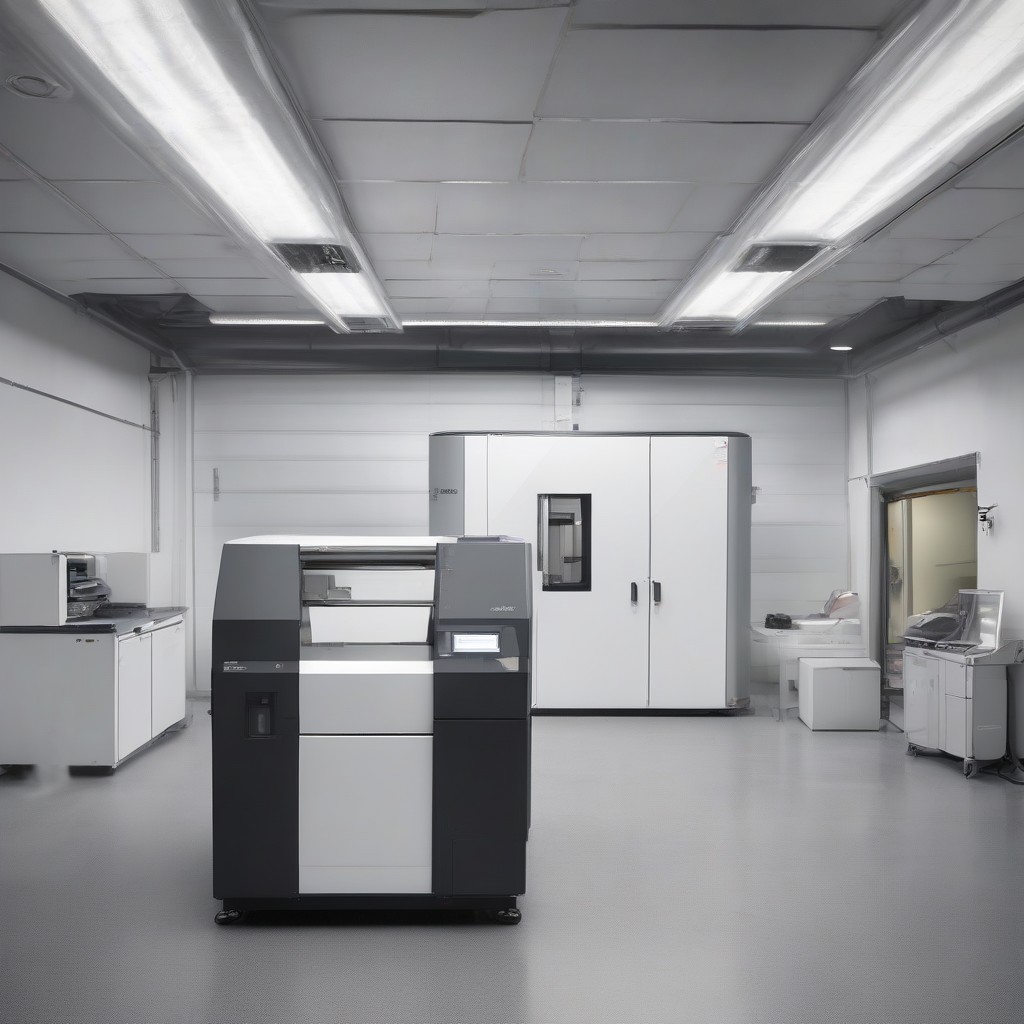
For Indian manufacturers and R&D units evaluating industrial 3D printing, the decision between an open-material SLS printer and a closed, vendor-locked system is fundamentally a question of total cost. The initial machine price for an open-material SLS printer in India is just the entry point; the real financial analysis lies in the total cost of ownership (TCO) over 3-5 years, heavily influenced by material flexibility, operational uptime, and local supply chain integration. While closed systems from global OEMs promise plug-and-play reliability, they enforce the use of proprietary powders, often at a 200-300% premium over generic PA12 or other engineering-grade polymers available domestically. This lock-in creates a recurring cost burden that can eclipse the initial capital expenditure. In Autoabode's production trials with clients like BHEL and various IIT research labs, we've quantified that for a medium-volume user processing 200-300 kg of powder annually, an open system can deliver a 40-60% lower cost per printed part, primarily driven by material savings. This post breaks down the capex vs. opex equation, material economics for PA12, and why the 'Make in India' and PLI Scheme contexts make open-platform SLS a strategically sound investment for cost-sensitive, innovative Indian makers.
Decoding the Cost Structure: Capex vs. Lifetime Opex
The Initial Investment Myth
At first glance, a closed, proprietary SLS system might appear competitively priced, with entry-level industrial models often marketed between ₹45-70 lakhs. However, this price typically includes a limited starter kit of material. The true financial narrative begins post-installation. Closed systems utilize RFID-chipped cartridges or canisters that authenticate proprietary powder. This vendor lock-in allows OEMs to command premium pricing, with branded PA12 often costing ₹3,500-₹4,500 per kilogram. In contrast, the upfront cost for a robust, open-material SLS printer like the Autoabode SinterX Pro series, designed and built in India, may have a similar or slightly higher initial ticket. Yet, this investment grants immediate access to an open powder ecosystem. Our engineers at Autoabode have observed that certified, high-quality generic PA12 powder from domestic suppliers under the PLI Scheme for Advanced Chemistry Cell (ACC) can be sourced for ₹1,200-₹1,800 per kg. For a facility consuming 250 kg annually, this translates to an annual material saving of ₹5-8 lakhs alone, justifying the capex difference within the first 18-24 months of operation.
Beyond material costs, operational expenses (OPEX) encompass maintenance, part replacement, and machine uptime. Closed systems require OEM-approved service contracts and genuine parts, often with long lead times for imports. An open-material platform empowers in-house maintenance teams. With standard industrial components and comprehensive documentation, downtime can be reduced by up to 35%, as reported by clients including DRDO labs using our systems for rapid prototyping of non-critical components. The ability to source mechanical spares locally or from global catalogs without OEM markup further dampens long-term OPEX. Furthermore, open systems allow for powder blending and reuse strategies. Users can blend fresh and recycled PA12 powder at optimized ratios to maintain part quality (e.g., 50/50 blends achieving >45 MPa tensile strength) while minimizing waste, a cost-control lever absent in most closed ecosystems that mandate use of virgin, pre-mixed proprietary blends.
Autoabode's TCO analysis for a 5-year period shows open-material SLS systems can offer a 40-55% lower total cost per cubic centimeter of printed PA12 part compared to closed proprietary systems, when factoring in Indian material prices and operational flexibility.
- Material Cost Per Kg: Open-system generic PA12 (₹1,200-₹1,800) vs. Closed-system proprietary PA12 (₹3,500-₹4,500).
- Powder Reuse Rate: Open systems allow controlled recycling, achieving up to 70% reuse rate for PA12 with proper sieving and blending, versus strict limits on proprietary powder refresh cycles.
- Consumable Spares: Cost of a standard 50W CO2 laser tube or heater cartridge for an open system is 60-70% lower than OEM-specific equivalents.
- Software Licensing: Open systems often use modular or perpetual license software (e.g., for build preparation), while closed systems may enforce annual SaaS subscriptions adding 8-12% to yearly OPEX.
- Supply Chain Resilience: Local procurement of all consumables (powder, nitrogen, spares) reduces lead time from weeks to days, directly impacting production schedule adherence and inventory carrying costs.
Material Freedom and Performance Trade-offs
Beyond PA12: Exploring the Polymer Portfolio
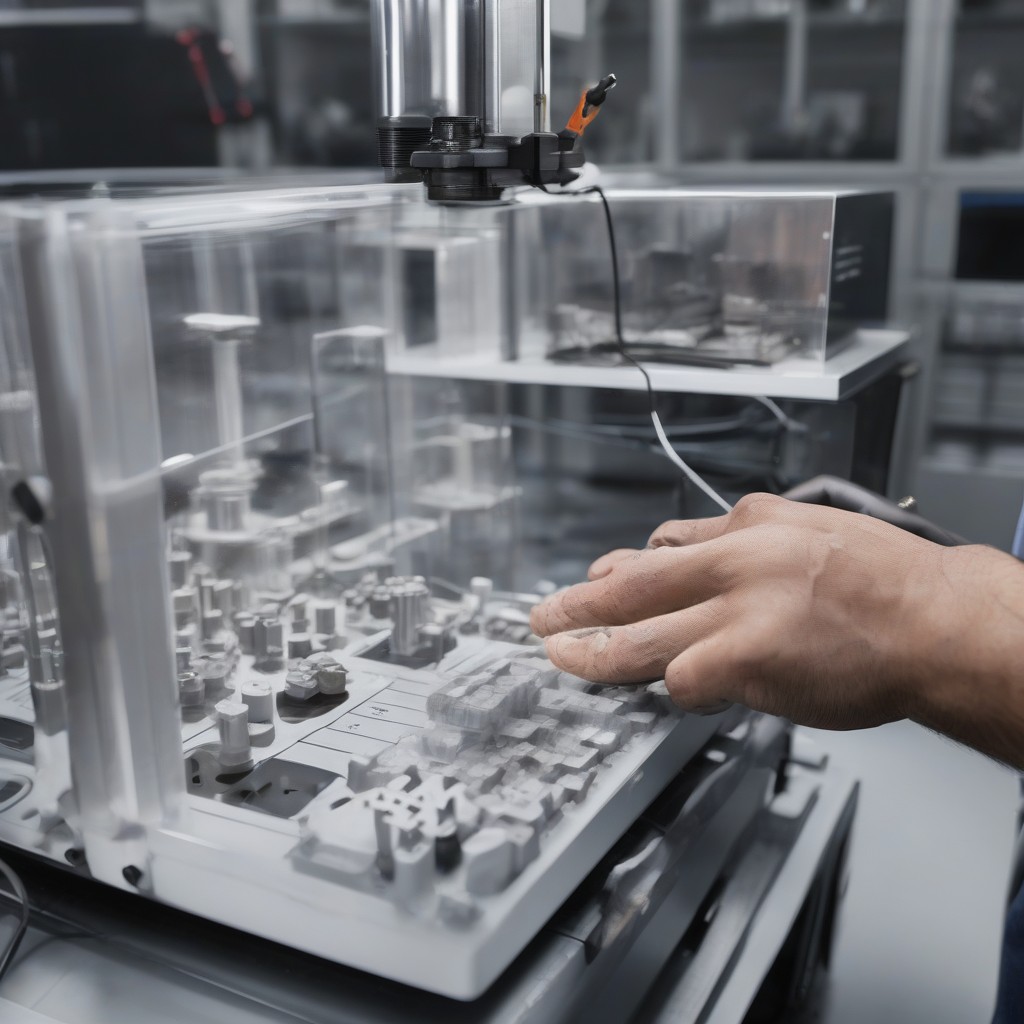
The core advantage of an open-material SLS printer in India is not just cost savings on PA12, but the freedom to experiment with a vast spectrum of engineering polymers. Closed systems are optimized for a narrow range of their own materials, limiting R&D and application scope. An open platform allows Indian makers to test and qualify locally produced or imported powders like TPU for flexibility, PP for chemical resistance, or composite materials like PA12 with carbon or glass beads for enhanced stiffness. For instance, a defense research client working on custom UAV components used our SinterX Pro to test a domestically sourced PA11 powder derived from renewable castor oil, achieving a balanced profile of strength and bio-content unsuitable for their closed-system machine. This material freedom accelerates innovation and import substitution, key goals of the 'Make in India' initiative for defense and aerospace, where specifications often demand tailored material properties not offered by global OEM catalogs.
A common concern is whether open-material systems compromise on part quality or consistency. The reality is that quality is a function of machine precision, process parameter expertise, and powder quality control. A well-calibrated open system with a stable 30-micron layer resolution laser scanning system and uniform heating chamber can produce parts with mechanical properties meeting or exceeding ASTM D638 and D790 standards. The key is parameter development. Autoabode provides extensive parameter databases for common powders like PA12, including laser power (typically 30-50W range), scan speed, bed temperature (~170-175°C for PA12), and cooling profiles. Our rapid prototyping service team has documented that with rigorous parameter tuning, generic PA12 can achieve tensile strength of 48-52 MPa and elongation at break of 15-20%, comparable to branded alternatives. The trade-off is the need for in-house process engineering skill, which represents an investment in human capital rather than a perpetual licensing fee to the OEM.
The Indian Manufacturing Context and Autoabode's Integration
The debate between open and closed SLS systems must be viewed through the lens of India's specific industrial and policy landscape. Government policies like the Production Linked Incentive (PLI) Scheme for drones and components, and the Defence Acquisition Procedure (DAP) 2020 with its emphasis on indigenous design and manufacturing, create a powerful impetus for owning flexible, cost-effective production tools. An open-material SLS printer aligns perfectly with these goals. It enables manufacturers to qualify local powder suppliers, reduce foreign exchange outflow on consumables, and develop proprietary material formulations for strategic sectors. For example, a company developing certified parts under DGCA UAS Rules 2021 can use an open system to rigorously test and document a specific powder batch and parameter set, creating an auditable, self-controlled production process independent of foreign OEM material certifications.
At Autoabode, we've engineered our SinterX Pro SLS printer series specifically for this environment. It is an open-material platform designed for reliability and ease of maintenance in Indian workshop conditions. We integrate it into a broader ecosystem of solutions. For instance, a client might use our Duper XL FDM series for large-format prototyping, then move to SLS for final functional parts in PA12. For defense and security applications, the same design agility supports our BotBit UAV series for reconnaissance or our UGV Interceptor for ground operations. The material knowledge gained from open SLS printing also informs our offerings in specialized SLS materials for high-temperature or structural applications. Furthermore, for organizations not ready for a capital purchase, our rapid prototyping services provide a gateway to experience the quality and cost benefits of open-material SLS production. We encourage Indian makers to view an open SLS system not just as a printer, but as a strategic asset for supply chain resilience and innovation. To discuss how this integrates into your specific workflow, please contact Autoabode for a detailed TCO analysis tailored to your projected volume and material needs.
Frequently Asked Questions
Q: What is the actual price of an open material SLS printer in India?
A: The price of an open-material SLS printer in India varies significantly based on build volume, laser power, and automation features. For an industrial-grade system with a standard build volume of 300 x 300 x 300 mm, a single 50W CO2 laser, and semi-automatic powder handling, prices typically range from ₹55 lakhs to ₹85 lakhs (ex-works). This is generally competitive with or slightly above the entry price of closed proprietary systems of similar size. However, as detailed in the total cost analysis, the critical differentiator is the lifetime operating cost. The open system's higher initial investment is often recouped within 2-3 years through substantial savings on PA12 powder and other consumables, which can be 50-70% cheaper when sourced from approved domestic suppliers instead of being locked into OEM proprietary materials.
Q: Is generic PA12 powder as good as branded powder for SLS?
A: High-quality generic PA12 powder from reputable domestic or global chemical suppliers can deliver mechanical properties nearly identical to branded OEM powders when processed with correctly optimized parameters in an open SLS system. Key properties like melting point (≈176°C), tensile strength (45-52 MPa), and elongation at break (12-20%) are achievable. The consistency between batches is the primary factor to qualify. Autoabode's material lab works with clients to test and certify specific powder batches, developing custom parameter sets for laser power, scan speed, and temperature profiles to ensure repeatable results. The main advantage of branded powder is that these parameters are pre-optimized and guaranteed by the OEM, reducing the need for in-house R&D. For cost-conscious Indian makers willing to invest in process development, generic PA12 offers a far superior cost-to-performance ratio.
Q: How much does PA12 powder cost per kg in India for open systems?
A: For open-material SLS systems, the cost of PA12 powder in India depends on quantity, supplier, and certification level. Standard sintering-grade PA12 from domestic suppliers typically costs between ₹1,200 and ₹1,800 per kilogram for bulk orders (100kg+). This is in stark contrast to proprietary PA12 from closed-system OEMs, which can range from ₹3,500 to over ₹4,500 per kg. The lower cost is driven by competition among material suppliers and the absence of RFID tagging, proprietary packaging, and brand premiums. It's crucial to factor in powder recyclability; in an open system, you can often reuse 30-50% of unsintered powder in subsequent builds after sieving, effectively reducing the net material cost per printed part even further. We advise clients to budget for a blend of 50% fresh and 50% recycled powder for non-critical parts to maximize cost efficiency.
Q: Are open SLS printers difficult to operate and maintain?
A: Open SLS printers do require a higher degree of technical expertise compared to a fully closed 'plug-and-play' system. The operator needs to understand powder handling, parameter management, and basic machine maintenance. However, this should not be equated with difficulty. Modern open systems like the Autoabode SinterX Pro are designed with user-friendly software interfaces that guide users through build preparation and machine operation. The maintenance involves standard industrial components—like replacing laser tubes, heating elements, and filters—which can be sourced locally without OEM dependency. Autoabode provides comprehensive training and detailed documentation, turning the learning curve into a strategic advantage. This process knowledge makes your team self-reliant, reduces downtime waiting for foreign service engineers, and empowers you to innovate with materials and parameters, ultimately building valuable in-house additive manufacturing capability aligned with the 'Make in India' vision of self-sufficiency.
The choice between an open-material and a closed SLS system is a strategic one that extends far beyond the sticker price. For Indian manufacturers, R&D institutions, and defense units, the long-term economics, supply chain resilience, and innovation potential offered by an open platform are compelling. The ability to source affordable, high-quality PA12 and other polymers locally, reduce recurring costs by 40% or more, and develop proprietary material applications provides a tangible competitive edge. As India advances in sectors from aerospace to automotive under supportive government policies, owning a flexible, cost-effective production technology becomes critical. An open SLS printer is an investment in sovereignty over your manufacturing process. To explore how an open-material SLS strategy can be tailored to your specific production volume, part requirements, and financial model, we invite you to connect with our solutions team at Autoabode for a detailed consultation and TCO simulation.
Frequently Asked Questions
The price of an open-material SLS printer in India varies significantly based on build volume, laser power, and automation features. For an industrial-grade system with a standard build volume of 300 x 300 x 300 mm, a single 50W CO2 laser, and semi-automatic powder handling, prices typically range from ₹55 lakhs to ₹85 lakhs (ex-works). This is generally competitive with or slightly above the entry price of closed proprietary systems of similar size. However, as detailed in the total cost analysis, the critical differentiator is the lifetime operating cost. The open system's higher initial investment is often recouped within 2-3 years through substantial savings on PA12 powder and other consumables, which can be 50-70% cheaper when sourced from approved domestic suppliers instead of being locked into OEM proprietary materials.
Rohan Mehta
Head of Additive Manufacturing Solutions, Autoabode · Autoabode Consumer Electronics Pvt. Ltd.
Expert author at Autoabode — writing at the intersection of industrial 3D printing, defence manufacturing, and advanced UAV systems. Based in New Delhi, India.
Explore Autoabode's Platforms
This article is part of Autoabode's technical journal. Learn more about our core platforms built in India for defence, aerospace, medical and industrial teams:
More from the Journal
Off-Grid Communication Solutions for Mountainous Terrain: An Engineering Field Guide for India's High-Altitude Operators
Off-grid communication solutions for mountainous terrain are not optional in India — they are the difference between a coordinated operation and a stranded section. This engineering field guide breaks down the radio physics that defeats conventional VHF/UHF in the Himalayas, the mesh architectures that survive ridge-line shadowing, and the cold-weather, power-budget and security trade-offs that determine whether a system delivers in the Karakoram and Western Ghats. Built around real deployment data from Autoabode's MeshVani encrypted communicator and MeshVani Relay platform in service with the Indian Army, ITBP, NDRF and high-altitude expedition teams.
Drones & UAV · 7 min readModular UAV Payloads for Multi-Role Missions: A Technical Guide
Explore the technical specifications and strategic advantages of modular UAV payloads for multi-role missions. This guide covers hot-swap systems, sensor fusion, and real-world applications for defense and industry.