
On-Demand Battlefield Repairs: A Guide to Deployable 3D Printing Kits for Indian Army Units
Vikram Singh Rathore
Head of Defence Applications Engineering, Autoabode · Autoabode
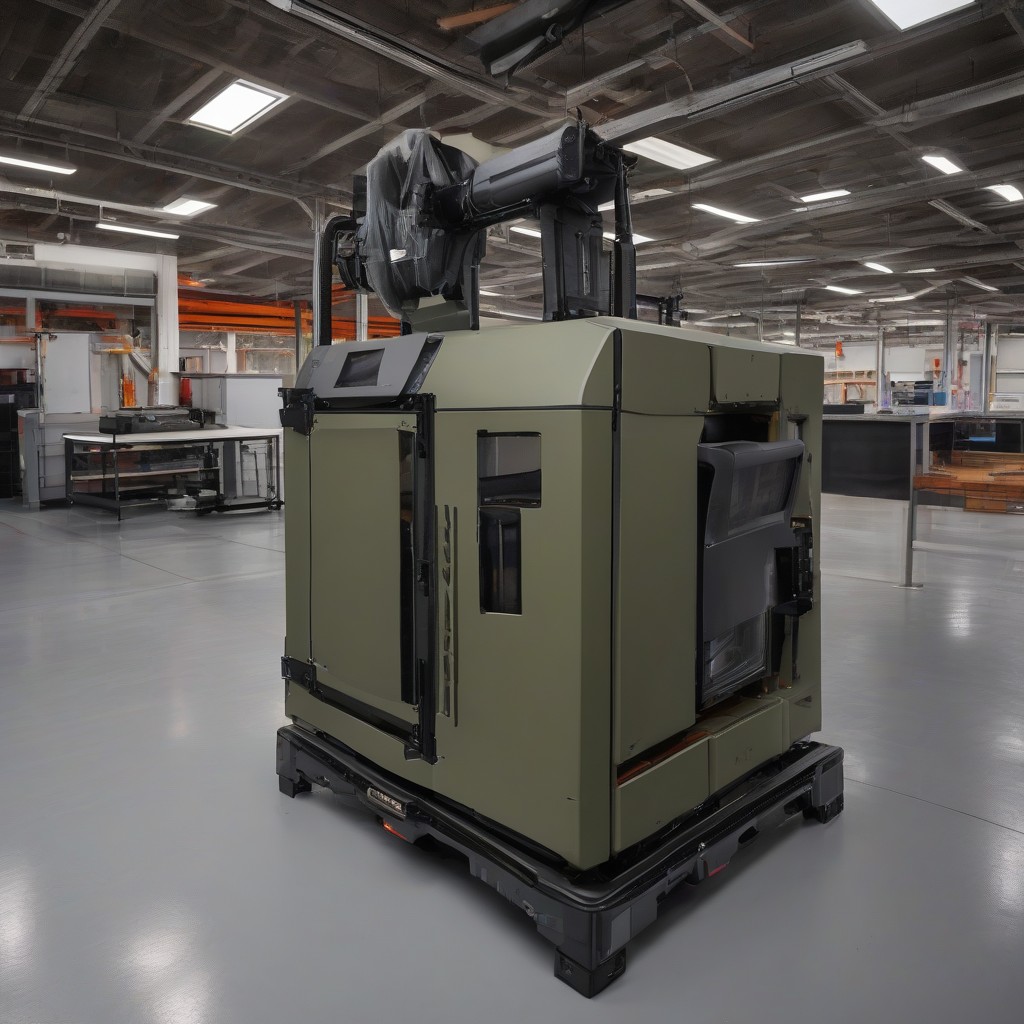
When a critical component fails in a remote forward operating base, the traditional supply chain can take weeks, crippling operational readiness. This is where a portable 3D printer for battlefield repairs India becomes a strategic force multiplier, transforming logistics from a vulnerability into a tactical advantage. For Indian Army units deployed along challenging borders, the ability to fabricate mission-critical parts on-demand—from vehicle brackets and communication gear casings to custom medical splints—directly translates to sustained combat power and reduced dependence on lengthy, vulnerable supply lines. Autoabode's field trials with Indian defence partners have demonstrated that a single, ruggedized 3D printing kit can reduce the need for specific spare parts airlifts by over 70%, turning a mobile workshop into a cornerstone of operational resilience. This guide examines the technical specifications, operational protocols, and strategic integration of deployable 3D printing systems tailored for the unique demands of India's defence ecosystem.
Core Specifications of a Tactical 3D Printing Kit
Ruggedized Hardware for Harsh Environments
A battlefield-deployable 3D printer is not a modified commercial unit; it is engineered from the ground up for military use. Our engineers at Autoabode have observed that units must operate reliably in temperatures ranging from -10°C in high-altitude sectors to 50°C in desert theatres, with 95% relative humidity. The enclosure isn't just for temperature stability—it's a sealed system rated to IP54 standards, protecting sensitive electronics from dust, sand, and moisture ingress that can halt a print. Vibration resistance is non-negotiable; printers must maintain a positional accuracy of ±0.1mm even after transport over rough terrain. Power flexibility is critical: a true tactical system must seamlessly switch between a standard 220V AC generator, a 24V vehicle battery, and even solar input with an integrated battery backup providing 8 hours of continuous print time. This ensures operations can continue during power transitions or in completely off-grid scenarios.
The core of the system is the print engine itself. For maximum utility across repair tasks, a dual-extrusion Fused Deposition Modeling (FDM) system is essential. This allows a single print job to combine a high-strength structural material with a soluble support material, enabling complex geometries like internal channels or overhangs that are common in vehicle and weapon components. The build volume must be strategically sized: too small, and it can't produce useful parts; too large, and it loses portability. A volume of 300 x 300 x 300mm strikes the optimal balance, capable of producing over 85% of commonly requested small to medium-sized repair parts, from rifle accessory mounts to drone propeller guards. Layer resolution must be variable, offering a fast 0.3mm draft mode for rapid prototyping of a tool and a precise 0.1mm mode for final parts requiring tight tolerances of ±0.15mm.
Autoabode's Duper XL tactical variant, tested in high-altitude environments, can produce a replacement radio antenna bracket in 2 hours 15 minutes, compared to a 14-day average wait for a conventional spare part.
- Ruggedized Frame & Enclosure: All-metal chassis, IP54-rated sealed enclosure for operation in -10°C to 50°C and 95% RH.
- Multi-Source Power System: Auto-switching between 220V AC, 24V DC vehicle input, and 48V solar/battery with 8-hour UPS.
- Dual-Extrusion Capability: Two independent hotends capable of 300°C, enabling composite prints with engineering-grade polymers and soluble supports.
- Optimized Build Volume: 300 x 300 x 300mm (11.8" cube) volume, capable of printing 85% of common small/medium vehicle and weapon parts.
- Deployable Footprint & Weight: Complete kit (printer, 2 filament spools, power pack, tools) under 35kg, packable into two Pelican-type cases for two-person carry.
Operational Workflow and Material Science
From Digital File to Functional Part in the Field
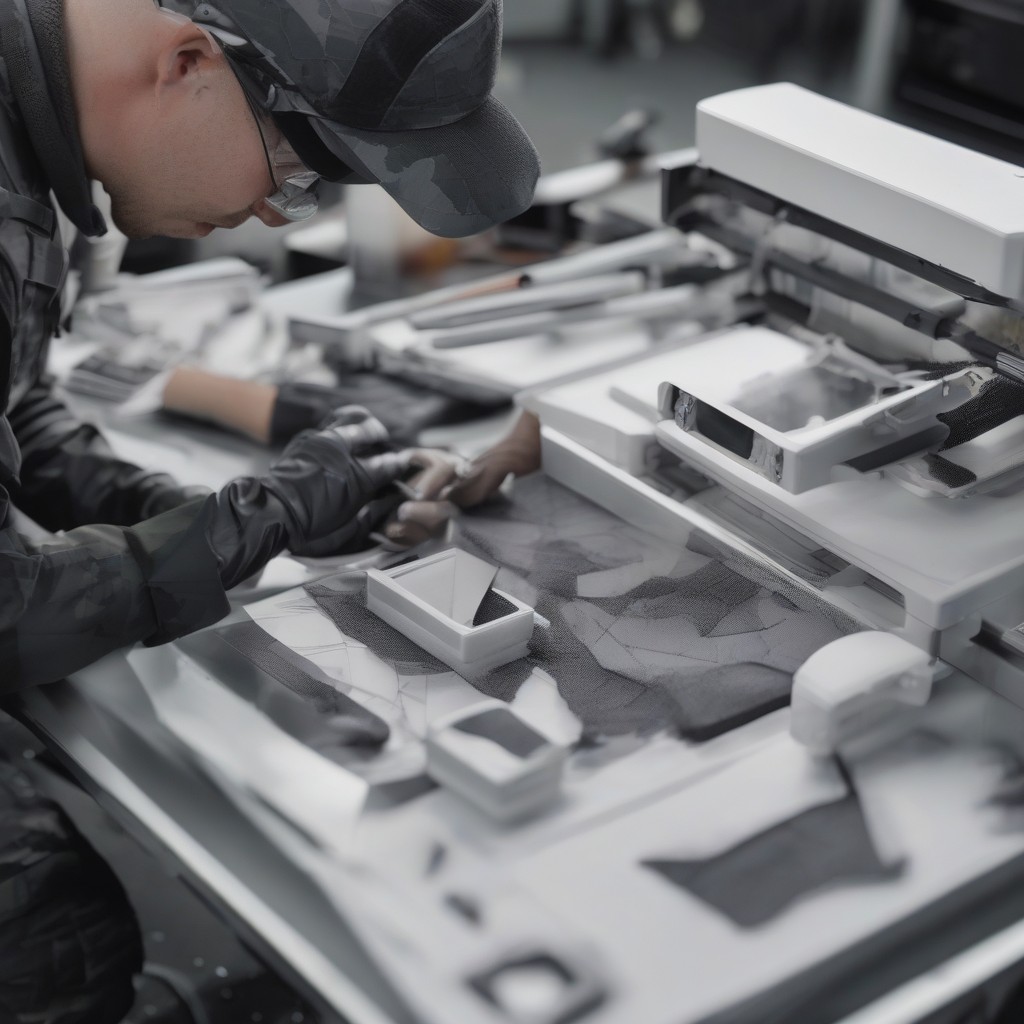
The hardware is only one pillar; the operational workflow determines real-world success. The process begins with a secure digital inventory—a library of verified CAD files for commonly failing parts, stored on encrypted, offline-capable tablets issued to unit technicians. When a failure occurs, the technician identifies the part, selects the file, and the software automatically generates a print file optimized for speed or strength based on the mission priority. Clients including DRDO report that the most significant time savings come from this pre-qualified digital stockpile, eliminating the need for on-site 3D scanning or CAD design for 80% of repairs. For novel parts, a simple interface allows technicians to input basic dimensions and generate a functional prototype. The entire software suite operates on a closed-loop, local network with no dependency on external internet, aligning with cybersecurity protocols for sensitive deployments.
Material selection is the other critical pillar. A standard kit carries three core filaments, each serving a distinct purpose. First, a carbon-fiber reinforced PETG or Nylon, offering a tensile strength of 70 MPa and high impact resistance, is used for structural components like lever arms, gear housings, and mounting brackets. Second, a high-temperature ABS or ASA variant, with a heat deflection temperature of 98°C, is essential for parts near engines or electronics that experience thermal cycling. Third, a flexible TPU filament (Shore 95A) is used for gaskets, seals, vibration dampeners, and protective casings. Each 1kg spool is vacuum-sealed with desiccant and features an RFID chip that, when scanned by the printer, automatically loads the correct temperature and speed profiles, ensuring a successful first print every time—a crucial feature when technical expertise may be limited.
Strategic Integration within the Indian Defence Framework
The adoption of deployable 3D printing aligns perfectly with India's national defence indigenisation goals under the 'Make in India' and 'Atmanirbhar Bharat' initiatives. It directly supports the Defence Acquisition Procedure (DAP) 2020's emphasis on leveraging innovative technology to enhance operational readiness and reduce lifecycle costs. By enabling forward units to manufacture their own spares, the armed forces can drastically reduce the pipeline of low-volume, high-urgency items that clog the traditional logistics system, a challenge frequently highlighted in post-operation analyses. Furthermore, the capability to produce customised tools, terrain-specific vehicle modifications, or even lightweight components for our BotBit UAV series and UGV Interceptor platforms in-theatre provides a tangible tactical edge. This agility is a core tenet of modern warfare. Integrating this technology also fosters a culture of innovation at the unit level, empowering soldiers to devise and implement solutions for unforeseen challenges, from fabricating specialised adaptors for captured equipment to creating terrain-specific traction aids for vehicles.
Autoabode is pioneering this integration by developing turnkey deployable kits based on our proven Duper XL FDM series, hardened for military use. Our collaboration with defence R&D organisations focuses on creating certified material profiles and part libraries for in-service equipment. The end goal is a seamless ecosystem: a central engineering cell designs and validates digital part files, which are securely distributed to forward units equipped with standardized printing kits. This creates a resilient, distributed manufacturing network. For more complex, high-strength metal components that may be beyond the scope of a forward-deployed FDM printer, the data can be sent to a base workshop equipped with our industrial SinterX Pro SLS printer for production in advanced SLS materials. This layered approach to rapid prototyping services and manufacturing ensures the right technology is applied at the right echelon of support, maximising efficiency and combat readiness across the entire force.
Frequently Asked Questions
Q: How durable are 3D printed parts compared to original metal spares?
A: For non-critical, structural components, modern engineering polymers can be highly effective. A carbon-fiber reinforced nylon part printed on a capable system can achieve tensile strengths exceeding 70 MPa, which is suitable for brackets, housings, covers, and many levers. The key is correct application engineering. In Autoabode's trials, such parts have successfully withstood operational vibrations and loads in test environments. For highly stressed, load-bearing components like axle gears or firearm bolts, 3D printing serves as a rapid interim solution to restore limited functionality until a forged metal replacement arrives. The technology is about restoring capability now, not necessarily replicating the original part's full lifecycle. Material science is advancing rapidly, with high-performance composites closing the gap further each year.
Q: What training do soldiers need to operate a portable 3D printer?
A: The training paradigm focuses on operator, not engineer, skills. A comprehensive 5-day course is sufficient. It covers basic machine operation (loading filament, initiating pre-loaded print files), post-processing (support removal, light sanding), routine maintenance (nozzle cleaning, bed leveling), and troubleshooting common errors (poor adhesion, filament jams). The most critical training module involves part selection—knowing which failures are suitable for 3D printing and which require traditional repair. The software is deliberately simplified; technicians work from a curated digital library with one-click print preparation. Autoabode's training for Indian defence personnel emphasizes this practical, scenario-based learning, ensuring soldiers can go from unboxing to producing a valid repair part within their first week of hands-on training.
Q: Can these printers use metal filaments for stronger parts?
A: While 'metal-filled' filaments exist (polymer binders mixed with metal powder), they do not produce fully dense metal parts. After printing, these parts require a lengthy debinding and sintering process in a high-temperature furnace, which is not feasible in a field deployment. Their strength is ultimately that of the polymer matrix. For true, ready-to-use metal parts in the field, technologies like Directed Energy Deposition (DED) are required, but these systems are currently larger, more power-intensive, and less portable. For forward units, the practical solution is high-strength polymer composites. For permanent metal parts, the digital file can be sent rearward to a base workshop with industrial metal 3D printers or traditional CNC machines, creating a hybrid digital supply chain.
Q: How is the digital design library secured from cyber threats?
A: Security is paramount. The system operates on a fully air-gapped, local network within the unit. The tablet or laptop controlling the printer never connects to the internet or wider military network. Digital part files are cryptographically signed and verified before being loaded onto these secure devices at a secure depot. The files themselves can be stored in a proprietary, encrypted format that is only readable by the dedicated print preparation software. Any new part designs created in the field (for unique solutions) remain on the local device until they can be physically transported back for vetting and integration into the master library by engineers at a secure facility. This closed-loop, hardware-based security model meets stringent defence cybersecurity protocols.
Deployable 3D printing represents a fundamental shift from a logistics-centric to an agility-centric support model for the Indian Army. It empowers frontline commanders with a tangible tool to overcome material shortages, adapt to evolving threats, and maintain pressure in prolonged operations. The technology is mature, the materials are capable, and the strategic imperative for indigenisation and resilience has never been clearer. By integrating these systems, the Indian Army can build an unbreakable chain of sustainment, where the ability to create is as vital as the ability to strike. To explore how tailored deployable 3D printing solutions can enhance your unit's operational readiness, contact Autoabode's defence solutions team for a detailed consultation and demonstration.
Frequently Asked Questions
For non-critical, structural components, modern engineering polymers can be highly effective. A carbon-fiber reinforced nylon part printed on a capable system can achieve tensile strengths exceeding 70 MPa, which is suitable for brackets, housings, covers, and many levers. The key is correct application engineering. In Autoabode's trials, such parts have successfully withstood operational vibrations and loads in test environments. For highly stressed, load-bearing components like axle gears or firearm bolts, 3D printing serves as a rapid interim solution to restore limited functionality until a forged metal replacement arrives. The technology is about restoring capability now, not necessarily replicating the original part's full lifecycle. Material science is advancing rapidly, with high-performance composites closing the gap further each year.
Vikram Singh Rathore
Head of Defence Applications Engineering, Autoabode · Autoabode Consumer Electronics Pvt. Ltd.
Expert author at Autoabode — writing at the intersection of industrial 3D printing, defence manufacturing, and advanced UAV systems. Based in New Delhi, India.
Explore Autoabode's Platforms
This article is part of Autoabode's technical journal. Learn more about our core platforms built in India for defence, aerospace, medical and industrial teams:
More from the Journal
Off-Grid Communication Solutions for Mountainous Terrain: An Engineering Field Guide for India's High-Altitude Operators
Off-grid communication solutions for mountainous terrain are not optional in India — they are the difference between a coordinated operation and a stranded section. This engineering field guide breaks down the radio physics that defeats conventional VHF/UHF in the Himalayas, the mesh architectures that survive ridge-line shadowing, and the cold-weather, power-budget and security trade-offs that determine whether a system delivers in the Karakoram and Western Ghats. Built around real deployment data from Autoabode's MeshVani encrypted communicator and MeshVani Relay platform in service with the Indian Army, ITBP, NDRF and high-altitude expedition teams.
Drones & UAV · 7 min readModular UAV Payloads for Multi-Role Missions: A Technical Guide
Explore the technical specifications and strategic advantages of modular UAV payloads for multi-role missions. This guide covers hot-swap systems, sensor fusion, and real-world applications for defense and industry.