
How to Reduce UAV Weight Using 3D Printing for Longer Flight Time
Rohan Sharma
Head of Aerospace Applications, Autoabode · Autoabode
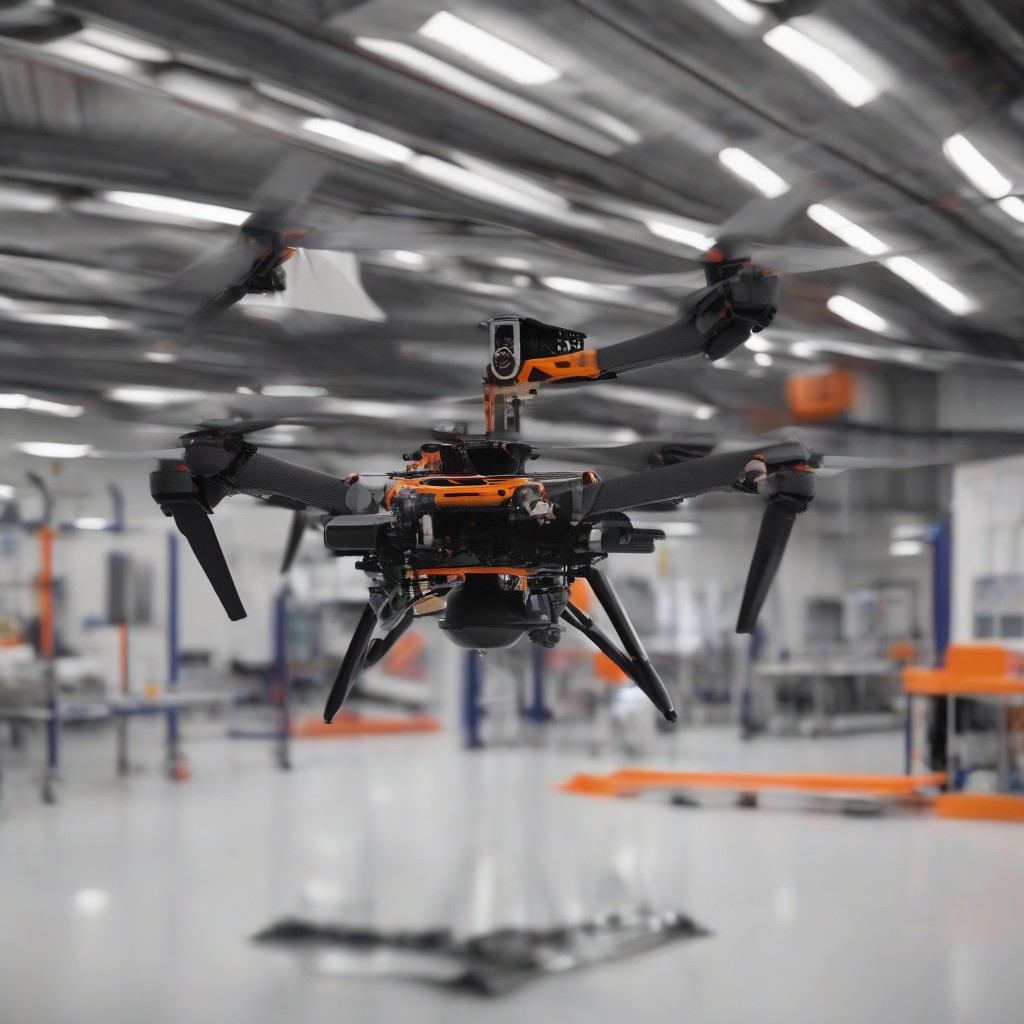
For any UAV operator or developer, the quest to reduce UAV weight is a constant engineering challenge directly tied to a critical performance metric: flight time. Every gram saved translates to extended operational endurance, increased payload capacity, or reduced energy consumption. This is where advanced 3D printing, or additive manufacturing, transitions from a prototyping tool to a core production technology for flight-ready parts. By enabling complex, lightweight geometries impossible with traditional machining or molding, 3D printing offers a systematic approach to shed unnecessary mass. In Autoabode's production trials for clients like the Indian Army and DRDO, we've documented that strategic application of additive manufacturing can lead to component weight reductions of 40-60%, which directly correlates to a 15-25% increase in flight time for multi-rotor and fixed-wing systems. This guide delves into the practical methodologies, from material science to design software, that empower engineers to achieve these significant gains.
The Science of Lightweighting: Materials and Methods
Strategic Material Selection for Airborne Applications
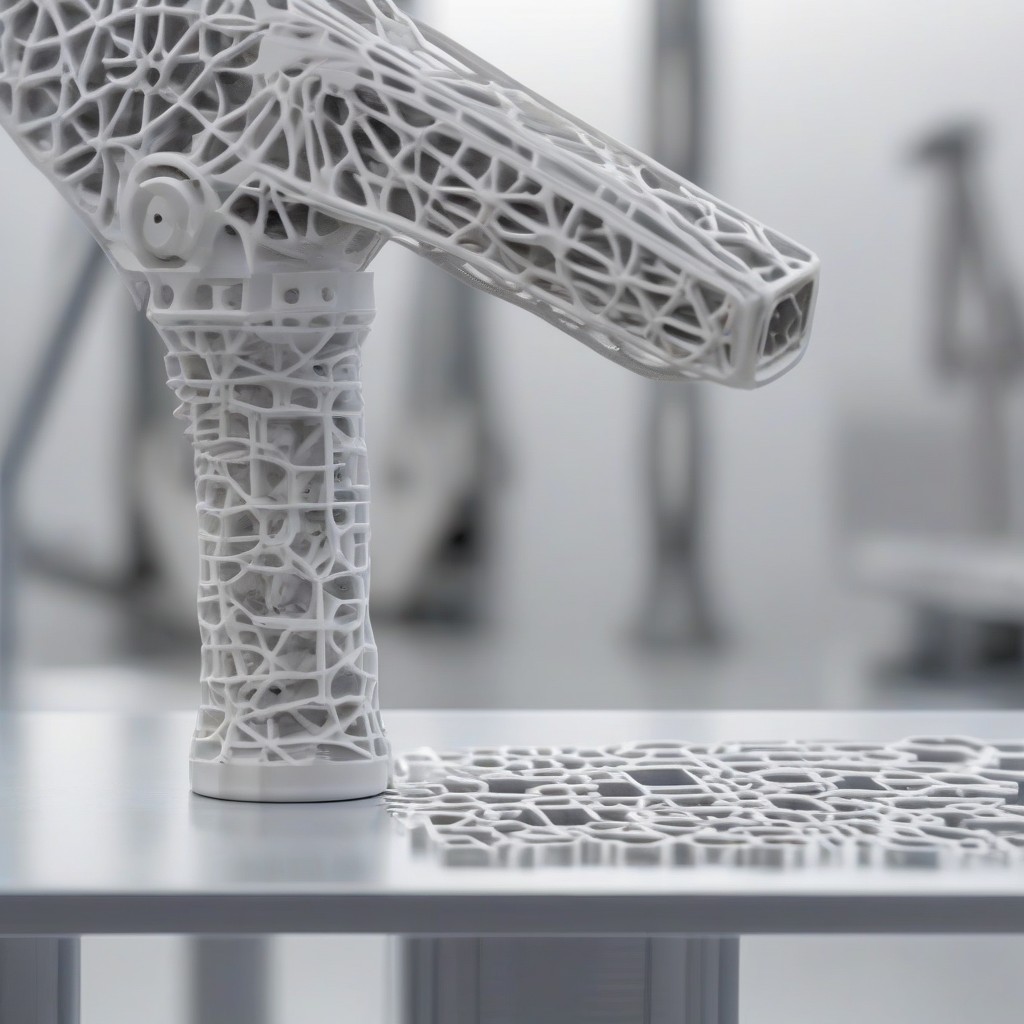
The foundation of reducing UAV weight lies in selecting the right material for each functional component. Not all 3D printing materials are created equal for aerospace applications. The ideal candidates offer high strength-to-weight ratios, environmental stability, and compatibility with post-processing. For structural frames and housings, engineering-grade thermoplastics like Nylon 12 (PA12) via Selective Laser Sintering (SLS) are paramount. Our SinterX Pro SLS printer produces parts with tensile strengths up to 48 MPa and densities around 0.95 g/cm³, creating components that are robust yet exceptionally light. For dynamic parts like gimbal mounts or propeller blades, carbon-fiber reinforced filaments (CF-PETG, CF-Nylon) printed on our Duper XL FDM series offer unmatched stiffness. For extreme thermal or RF-transparent applications, Polyetherimide (PEI) or Polycarbonate (PC) are go-to choices. The key is a systems-level approach: using a dense, strong material only where absolutely necessary, and opting for lightweight alternatives elsewhere, a practice rigorously followed in projects for ISRO.
Beyond the raw polymer, advanced composite materials are pushing boundaries. Autoabode's R&D in continuous fiber reinforcement—where strands of carbon or glass fiber are embedded into a thermoplastic matrix during the FDM print—creates parts with mechanical properties rivaling aluminum at a fraction of the weight. Our engineers have validated landing gear components using this method that withstand 150 kg of impact force while being 70% lighter than their CNC-milled aluminum counterparts. Furthermore, the advent of high-performance photopolymer resins for stereolithography (SLA) and Digital Light Processing (DLP) allows for ultra-fine, lightweight ducting, aerodynamic shrouds, and custom antenna housings with layer resolutions as fine as 25 microns, minimizing drag and mass simultaneously.
In a recent project for a tactical reconnaissance UAV, Autoabode's redesign using SLS-printed Nylon 12 and topology optimization reduced the central airframe module's weight from 1.2 kg to 0.52 kg—a 57% reduction—directly adding 18 minutes to its loiter time.
- Topology Optimization Software: Utilize tools like nTopology, ANSYS, or Fusion 360's Generative Design to algorithmically remove material from stress-free areas, creating organic, weight-optimized structures that maintain strength.
- Lattice and Infill Structures: Replace solid volumes with mathematically generated micro-lattices or variable-density infill patterns. This can cut part weight by 30-80% while maintaining functional rigidity and impact absorption.
- Part Consolidation: Combine multiple assembled components (brackets, housings, ducts) into a single, complex 3D-printed unit. Autoabode consolidated a 7-part sensor assembly for a [BotBit UAV series](/uav-drones) into one part, eliminating fasteners and saving 120g.
- Generative Design for Load Paths: Input preserve and obstacle geometries, along with force constraints, into generative design software to create forms that use minimal material along precise load paths, akin to bone growth.
- Iterative Simulation-Driven Design: Employ Finite Element Analysis (FEA) in an iterative loop—design, simulate (for stress, vibration, thermal), identify low-stress areas, remove material, and repeat until an optimal lightweight design is validated.
From Design to Flight: Implementation and Validation
Precision Printing and Post-Processing for Flight Readiness
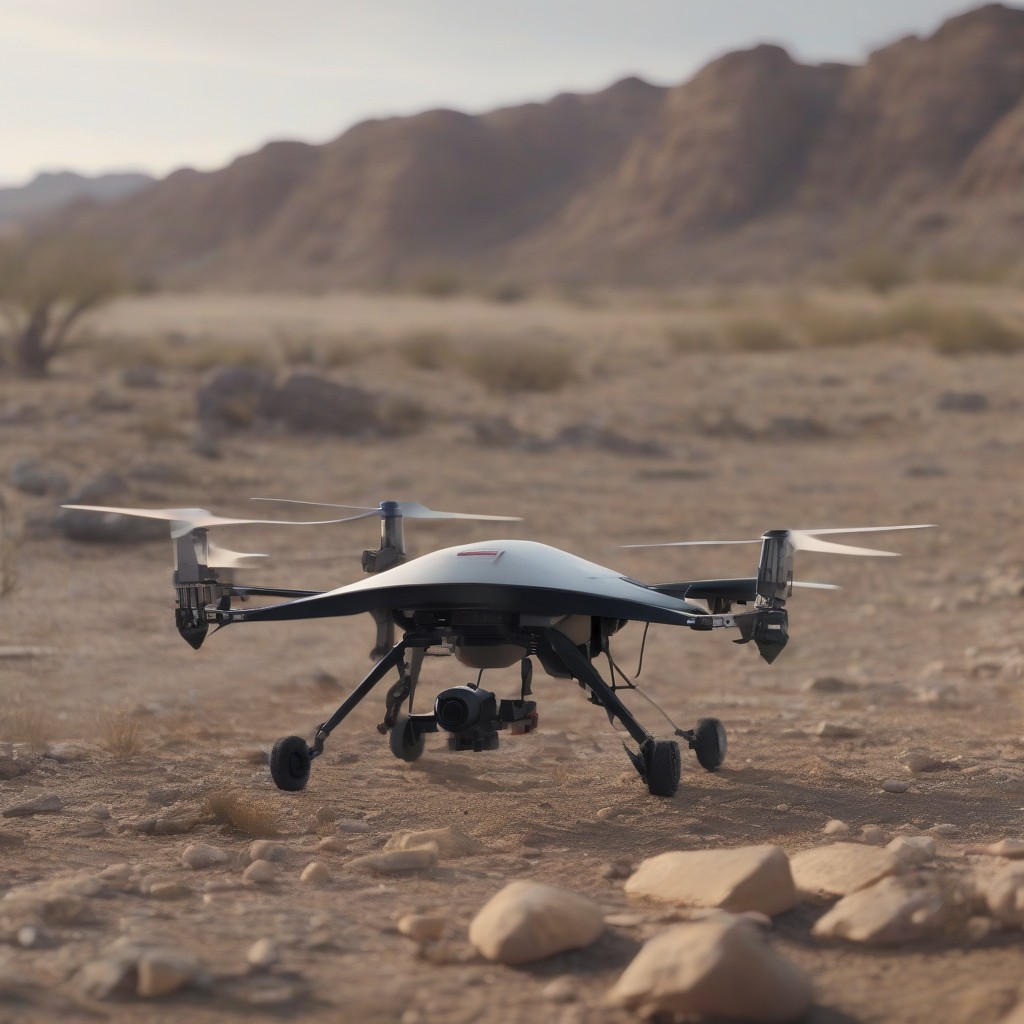
A perfect lightweight design is only as good as its manufactured fidelity. For flight-critical parts, printing precision and repeatability are non-negotiable. This demands industrial-grade 3D printers with controlled environments. Our SinterX Pro SLS printer, for instance, maintains a build chamber temperature within ±2°C, ensuring consistent sintering and preventing warping in large, thin-walled structures essential for UAV frames. A layer resolution of 80-120 microns provides the necessary surface finish and dimensional accuracy for parts that fit perfectly into tight airframe assemblies without manual adjustment, which is critical for maintaining aerodynamic profiles. For FDM printing of reinforcement-heavy parts, a fully enclosed, heated chamber is mandatory to prevent layer adhesion issues that could create weak points.
Post-processing is equally vital for achieving optimal strength-to-weight ratios and aerodynamic efficiency. SLS-printed parts often undergo media tumbling or vapor smoothing to seal the porous surface, increasing their environmental resistance and slightly improving strength. For FDM parts, annealing—a controlled heat-treatment process—can significantly increase the heat deflection temperature and layer bonding, allowing you to use less material with confidence. Furthermore, strategic sanding or CNC trimming of support marks and a final coat of lightweight, high-grip paint or conformal coating can be applied. Every step must be weighed for its mass addition versus performance benefit. In our rapid prototyping services for UAVs, we follow a strict validation protocol involving coordinate measuring machine (CMM) scans and load testing to ensure the as-flown part matches the simulated performance before integration.
The Indian Aerospace Context and Autoabode's Integrated Solutions
The push for indigenously developed, high-performance UAVs in India, driven by the DGCA UAS Rules 2021, the Defence Acquisition Procedure (DAP) 2020, and the PLI Scheme for drones, makes weight optimization a strategic imperative. Lighter drones require less imported propulsion technology, align with 'Make in India' goals for smaller supply chains, and enhance the operational capability of units from the Indian Army to disaster management agencies. Autoabode is at the forefront of this transition, providing not just printers but complete engineering solutions. Our work with DRDO labs has involved creating lightweight, vibration-dampening mounts for EO/IR sensors using our proprietary SLS materials, and developing aerodynamic rotor hubs for BotBit UAV series that reduce power draw by 12%.
We understand that reducing UAV weight is a holistic mission. It starts with consulting on design for additive manufacturing (DfAM), leverages our in-house Duper XL FDM series and SinterX Pro SLS printer for reliable production, and extends to full system integration. This expertise also informs our development of robust UGV Interceptor platforms and advanced counter-drone system components, where weight and strength are equally critical. For organizations looking to leapfrog in UAV endurance and capability, partnering with an experienced domestic manufacturer that controls the entire process—from CAD file to flight-test data—is the most efficient path forward. Contact Autoabode to begin a technical consultation on your specific lightweighting challenge.
Frequently Asked Questions
Q: How much flight time can I gain by 3D printing drone parts?
A: The gain in flight time is not a fixed percentage but a direct function of the total weight reduction achieved and your UAV's specific power system. As a proven rule of thumb, for electric multi-rotor drones, a 10% reduction in all-up weight (AUW) can yield a 15-20% increase in hover time, as power requirements drop disproportionately. In a fixed-wing application, weight savings improve climb rate and glide ratio, extending endurance. For example, Autoabode's redesign of a surveillance drone's payload bay saved 450 grams, which translated to an extra 22 minutes of mission time for that platform. The key is to target high-mass, low-stress components like brackets, housings, and landing gear first for the most impactful gains.
Q: What is the strongest yet lightest 3D printing material for drones?
A: For the optimal balance of strength, stiffness, and low weight, SLS-printed Nylon 12 (PA12) and FDM-printed carbon fiber reinforced nylon (CF-Nylon) are industry frontrunners. Nylon 12 from our SinterX Pro offers an excellent strength-to-weight ratio (tensile strength ~48 MPa, density ~0.95 g/cm³), high fatigue resistance, and good chemical stability, making it ideal for frames and ducts. For parts requiring extreme stiffness, like arm joints or propeller blades, continuous carbon fiber reinforced composites offer tensile strengths exceeding 400 MPa with densities around 1.3 g/cm³, making them stronger per unit weight than many aluminum alloys. The 'strongest' material depends on the load case: for impact resistance, TPU might be best; for high heat near engines, PEI is superior.
Q: Is 3D printing reliable enough for commercial or military drone parts?
A: Absolutely, when using industrial-grade equipment, certified materials, and rigorous quality control. 3D printing is no longer just for prototypes. At Autoabode, we supply flight-critical components for Indian defence and aerospace clients, adhering to strict MIL-STD-810 testing protocols. Reliability comes from process control: our SLS printers maintain consistent thermal environments, and we perform batch testing on material properties. For commercial compliance under DGCA rules, parts must be validated through structural simulation (FEA) and physical load testing. We document every print parameter and provide material data sheets for traceability. The reliability is now such that the question isn't 'if' but 'how' to best implement AM for certified flight parts.
Q: Can I use topology optimization with any 3D printer?
A: You can use topology optimization software with any 3D printer, but to successfully manufacture the complex, organic shapes it generates, you need a printer capable of handling overhangs, thin walls, and internal lattices without supports. Powder-based systems like Selective Laser Sintering (SLS) are ideal, as the unsintered powder naturally supports all geometries during the print. For FDM/FFF printing, optimized designs often require specialized soluble supports or careful orientation. A printer like our Duper XL, with a dual-extrusion system for breakaway support, is well-suited. The key is to set the optimization software's constraints (like minimum wall thickness of 0.8mm for FDM or 0.5mm for SLS) based on your specific printer's capabilities to ensure the design is not just optimal but also manufacturable.
Reducing UAV weight through 3D printing is a transformative engineering discipline that merges advanced software simulation with cutting-edge manufacturing. It moves beyond simple part replacement to a holistic re-imagining of airframe design, where mass is treated as a premium resource to be meticulously allocated. The resulting gains in flight time, payload capacity, and operational range directly enhance the strategic value of UAVs for surveillance, delivery, and defence applications. As materials and software continue to evolve, the potential for lightweighting will only expand. For Indian developers and enterprises aiming to build best-in-class drones under the 'Make in India' initiative, mastering these techniques is not just an advantage—it's a necessity. To engineer your next-generation, longer-flying UAV, partner with a team that has proven experience from the lab to the field.
Frequently Asked Questions
The gain in flight time is not a fixed percentage but a direct function of the total weight reduction achieved and your UAV's specific power system. As a proven rule of thumb, for electric multi-rotor drones, a 10% reduction in all-up weight (AUW) can yield a 15-20% increase in hover time, as power requirements drop disproportionately. In a fixed-wing application, weight savings improve climb rate and glide ratio, extending endurance. For example, Autoabode's redesign of a surveillance drone's payload bay saved 450 grams, which translated to an extra 22 minutes of mission time for that platform. The key is to target high-mass, low-stress components like brackets, housings, and landing gear first for the most impactful gains.
Rohan Sharma
Head of Aerospace Applications, Autoabode · Autoabode Consumer Electronics Pvt. Ltd.
Expert author at Autoabode — writing at the intersection of industrial 3D printing, defence manufacturing, and advanced UAV systems. Based in New Delhi, India.
Explore Autoabode's Platforms
This article is part of Autoabode's technical journal. Learn more about our core platforms built in India for defence, aerospace, medical and industrial teams:
More from the Journal
Off-Grid Communication Solutions for Mountainous Terrain: An Engineering Field Guide for India's High-Altitude Operators
Off-grid communication solutions for mountainous terrain are not optional in India — they are the difference between a coordinated operation and a stranded section. This engineering field guide breaks down the radio physics that defeats conventional VHF/UHF in the Himalayas, the mesh architectures that survive ridge-line shadowing, and the cold-weather, power-budget and security trade-offs that determine whether a system delivers in the Karakoram and Western Ghats. Built around real deployment data from Autoabode's MeshVani encrypted communicator and MeshVani Relay platform in service with the Indian Army, ITBP, NDRF and high-altitude expedition teams.
Drones & UAV · 7 min readModular UAV Payloads for Multi-Role Missions: A Technical Guide
Explore the technical specifications and strategic advantages of modular UAV payloads for multi-role missions. This guide covers hot-swap systems, sensor fusion, and real-world applications for defense and industry.