
Setting Up a 3D Printing Lab for Medical Implants in Indian Hospitals
Dr. Vikram Mehta
Head of Biomedical Applications, Autoabode · Autoabode
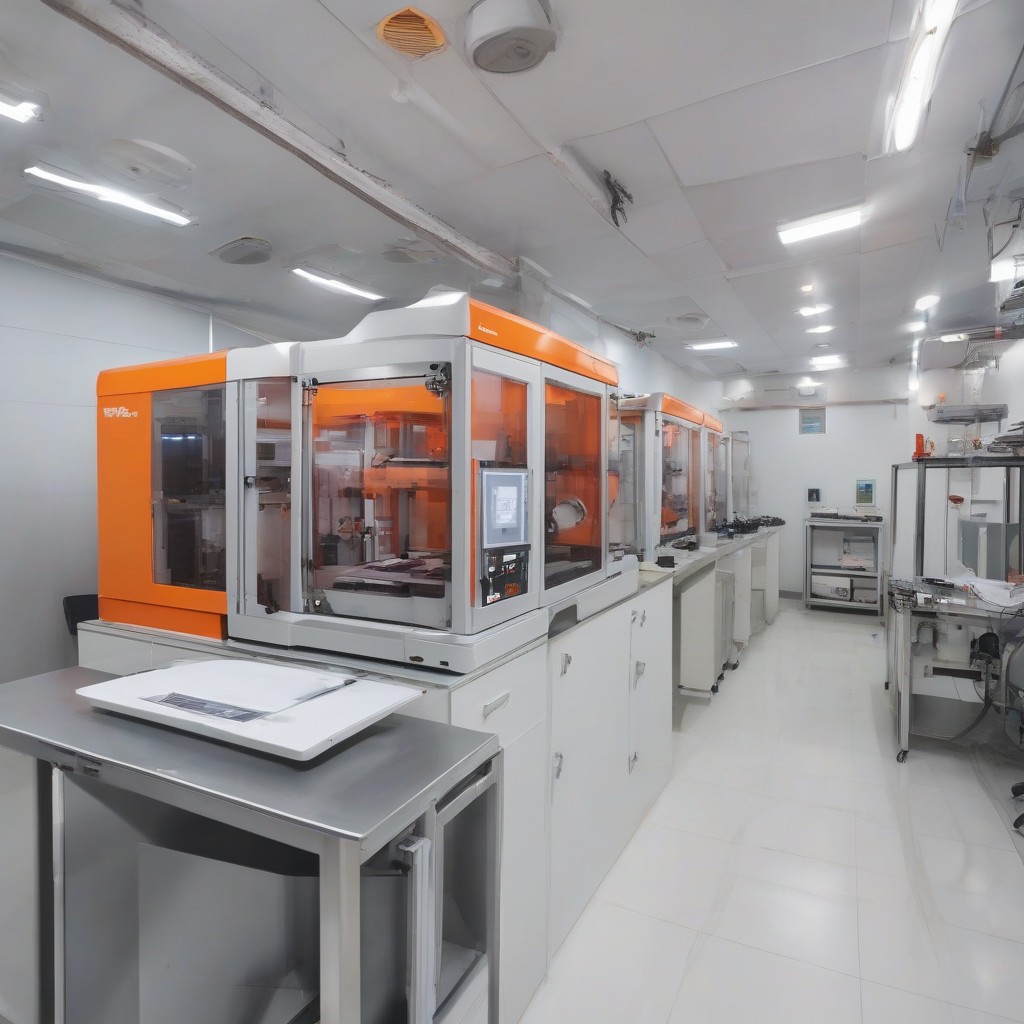
The establishment of an in-house 3D printing lab for medical implants is a transformative step for Indian hospitals, directly addressing critical gaps in personalized surgical care and complex reconstructive procedures. This move towards point-of-care manufacturing is not merely about adopting new technology; it's a strategic response to the growing demand for patient-specific implants (PSIs) that offer superior anatomical fit, reduced surgery time, and improved clinical outcomes. In India, where the burden of trauma, orthopedic conditions, and craniofacial anomalies is significant, the ability to rapidly design and produce custom implants can drastically alter patient recovery trajectories. However, setting up such a facility within a hospital ecosystem involves navigating a unique intersection of cutting-edge additive manufacturing technology, stringent biomedical regulatory frameworks, and seamless clinical workflow integration. The core challenge lies in creating a lab that is not just technologically advanced but is also compliant, efficient, and fully integrated into the hospital's surgical planning and execution pipeline, turning imaging data into a physical, life-changing device within a clinically viable timeframe.
Core Technology Stack for an Implant Lab
Choosing the Right 3D Printing Process
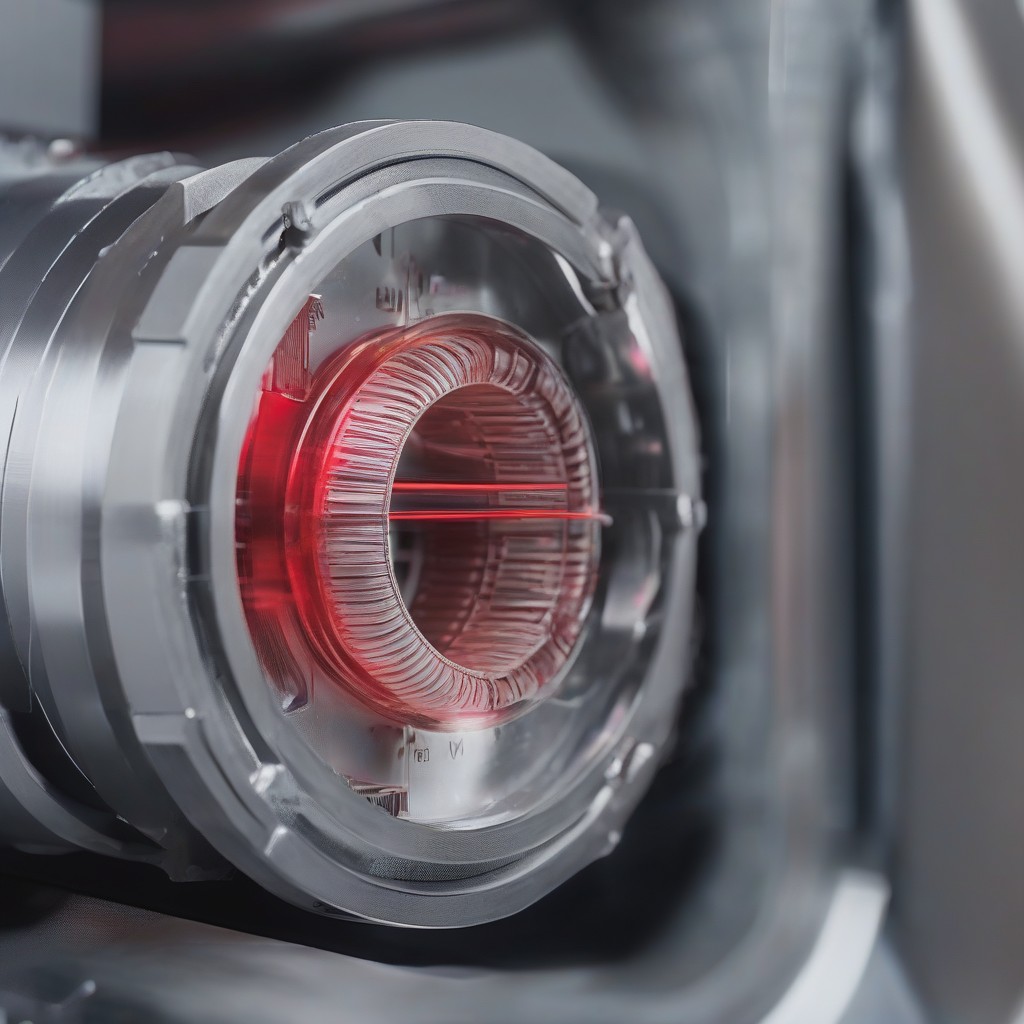
Selecting the appropriate 3D printing technology is the foundational decision for any medical implant lab. For permanent, load-bearing implants that will reside inside the human body long-term, technologies capable of processing certified, biocompatible metals and high-performance polymers are non-negotiable. In Autoabode's production trials for clients like the Armed Forces Medical Services, Laser Powder Bed Fusion (LPBF) for metals like Titanium Ti6Al4V (Grade 23) and Cobalt-Chrome alloys has proven indispensable. This process uses a high-power fiber laser, typically 400W to 1kW, to selectively fuse metal powder layer-by-layer, achieving densities over 99.5% and tensile strength exceeding 900 MPa—properties that meet or exceed those of traditionally forged implants. For complex, porous structures that promote osseointegration (bone in-growth), LPBF allows for the creation of controlled lattice geometries with pore sizes between 300-800 microns, a feature impossible with conventional machining. The alternative for non-load-bearing guides, models, and temporary implants is medical-grade Stereolithography (SLA) or Selective Laser Sintering (SLS), which use resins and polymers like PA 2200 (Nylon 12) certified for skin contact and short-term implantation.
Beyond the printer itself, the technology stack is incomplete without a certified digital workflow. This begins with high-resolution CT/MRI DICOM data, processed through specialized medical segmentation software (e.g., 3D Slicer, Mimics) to create a 3D model of the defect. The design phase, often using tools like 3-matic or SolidWorks, is where the surgeon and engineer collaborate to create the implant geometry, ensuring proper fit and incorporating surgical fixation features. Crucially, the entire digital thread—from patient scan to final print file—must be managed within a validated software environment that maintains data integrity and enables version control, a key requirement for audits under India's Medical Device Rules, 2017. The physical lab must then house not just the printer but also necessary post-processing equipment: a dedicated industrial furnace for stress-relieving metal parts, ultrasonic or chemical cleaning stations for powder removal, and CNC or EDM machines for finishing critical mating surfaces to a surface roughness (Ra) of less than 0.8 µm.
Autoabode's SinterX Pro SLS systems, deployed in pilot labs, have achieved a repeatable accuracy of ±0.1mm across a 300 x 300 x 300mm build volume, which is critical for ensuring the precise fit of cranial implants and surgical guides.
- Biocompatible Material Library: Stock of CDSCO-approved raw materials, including Titanium Ti6Al4V ELI powder (particle size 15-45µm), PEEK filament, and sterilizable Nylon 12.
- Validated Post-Processing Line: Industrial vacuum furnace for heat treatment, automated powder recovery system, and a Class 10000 cleanroom station for final assembly and packaging.
- Integrated Quality Control: In-process monitoring systems (e.g., melt pool monitoring for LPBF), coordinate measuring machine (CMM) for dimensional verification, and metallography setup for porosity analysis.
- Digital Security & Data Management: HIPAA-compliant local server for patient DICOM data, encrypted transfer protocols, and audit trails for design file modifications as per IT Act 2000.
- Sterilization & Packaging Protocol: Validated cycles for autoclave (for metals) and Ethylene Oxide (EtO) gas sterilization (for polymers), with pre-validated sterile barrier packaging systems.
Navigating the Regulatory Pathway in India
From CDSCO to Hospital Ethics
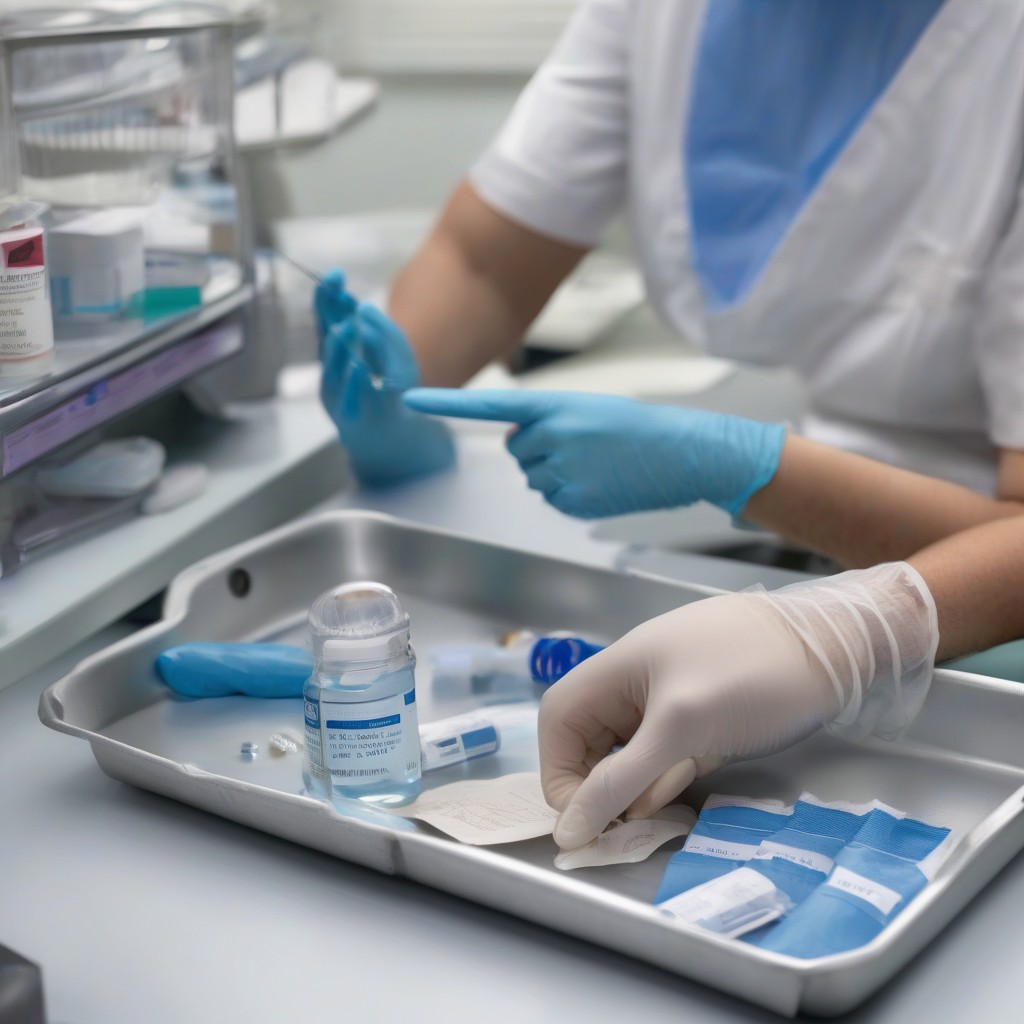
Establishing a 3D printing lab for implants places the hospital in the role of a manufacturer, subject to the Central Drugs Standard Control Organisation (CDSCO) regulations under the Medical Devices Rules, 2017. For custom-made devices (which include most patient-specific implants), the hospital must obtain a Custom-Made Medical Device (CMMD) license. This requires submitting a detailed technical file for each device category (e.g., cranial plate, mandibular implant), which includes the design process, material certificates, biocompatibility reports (ISO 10993-1), mechanical test data, sterilization validation, and a statement of conformity. The lab itself must operate under a Quality Management System (QMS) aligned with ISO 13485:2016. In our engagements with institutions, Autoabode provides the essential technical documentation pack for our printers and processes, which forms the backbone of the hospital's device master file. Furthermore, the Department of Pharmaceuticals' Production Linked Incentive (PLI) Scheme for Medical Devices can offer financial benefits for labs using domestically manufactured 3D printers and materials, aligning with the Make in India initiative for critical healthcare infrastructure.
Beyond national regulations, hospital ethics committee approval is mandatory for every patient-specific implant. The lab must work closely with the committee to establish a protocol that covers informed consent—specifically mentioning the use of a 3D-printed, custom-made device—data privacy, and the intended use of the implant. A critical operational document is the Device History Record (DHR) for each implant, tracing it from the initial patient scan (with anonymized ID) through design, printing, post-processing, sterilization, and finally to the operating theatre. This traceability is paramount. The lab personnel, typically a mix of biomedical engineers and technicians, require specific training not just in machine operation but in Good Manufacturing Practice (GMP) for medical devices. Partnering with an experienced manufacturer like Autoabode for initial setup and training significantly de-risks this regulatory journey, as our systems are designed with audit trails, process validation reports, and material traceability from the ground up.
The Indian Context and Autoabode Integration
The push for in-hospital 3D printing labs in India is uniquely driven by the confluence of a high clinical need, a robust IT talent pool for digital workflows, and supportive government policies like the PLI Scheme and the National Medical Devices Policy 2023. Indian hospitals, from large corporate chains to public sector units, are recognizing that on-site manufacturing reduces lead times from weeks to days, cuts costs associated with importing custom implants, and gives surgeons unparalleled control over the final product. Autoabode's role is to provide a turnkey, India-optimized solution. Our SinterX Pro SLS printer is ideal for producing sterilizable surgical guides, anatomical models, and polymer prototypes, forming the first phase of a lab's capabilities. For full metallic implant production, our metal Additive Manufacturing solutions come with validated parameter sets for medical-grade alloys. Crucially, we integrate these hardware systems with the necessary post-processing equipment and provide comprehensive QMS documentation templates, helping hospitals navigate CDSCO compliance. Our experience supporting DRDO labs in developing field-deployable medical units informs our robust, serviceable design philosophy. For hospitals starting their journey, our rapid prototyping services can serve as an external validation partner before the in-house lab is fully operational, ensuring a smooth transition to point-of-care manufacturing.
Frequently Asked Questions
Q: What is the minimum budget required to set up a basic 3D printing lab for implants in a hospital?
A: Establishing a basic but compliant lab for producing surgical guides, anatomical models, and polymer prototypes requires a capital investment of approximately ₹ 75 lakhs to ₹ 1.2 crores. This covers a medical-grade SLS or SLA printer (like the Autoabode SinterX Pro), a dedicated post-processing station with cleaning and finishing tools, a high-end workstation for medical image segmentation and design, and the initial stock of biocompatible materials. For a full-fledged lab capable of manufacturing permanent metal implants (e.g., titanium cranial plates), the investment starts at ₹ 2.5 crores and upwards. This includes a metal LPBF system, an industrial furnace for heat treatment, a CMM for quality assurance, and the creation of a controlled cleanroom environment. Operational costs, including annual maintenance, material, power, and trained personnel, add another 15-20% of the capital cost per year.
Q: How long does it take from patient scan to having a sterilized implant ready for surgery?
A: In an optimized, in-house lab, the total lead time can be compressed to 48-72 hours for a typical implant. The workflow breaks down as follows: Medical image segmentation and 3D model creation (4-6 hours), collaborative implant design between surgeon and engineer (6-8 hours), 3D printing build time (10-20 hours depending on size and technology), mandatory post-processing including support removal, heat treatment, and surface finishing (8-12 hours), and finally, validated sterilization cycling (6-8 hours for autoclave). This dramatic reduction from the traditional 3-6 week wait for an imported custom implant is the primary clinical benefit, enabling faster surgical intervention. Autoabode's systems are engineered for this rapid turnaround, with our Duper XL FDM series often used for producing large, non-sterile anatomical models for pre-surgical planning within the same accelerated timeline.
Q: What are the key certifications needed for the 3D printed implant and the lab itself?
A: The implant must be manufactured in accordance with ISO 13485 (Quality Management System for Medical Devices) and comply with ISO 10993-1 (Biological evaluation of medical devices). The raw material (e.g., titanium powder) must have a certificate of conformity to ASTM F3001 (for Ti6Al4V) or similar implant-grade standards. The lab itself requires a Custom-Made Medical Device (CMMD) license from the CDSCO. Personnel should be trained in Good Manufacturing Practice (GMP). The printer and its process must be validated, producing a technical file that proves consistent output—Autoabode provides this validation dossier with our medical-focused systems. Additionally, the hospital's ethics committee must approve the use of patient-specific devices, and all software used in the digital workflow should be 21 CFR Part 11 compliant (or equivalent) for data integrity.
Q: Can a hospital 3D printing lab also be used for research and non-implant applications?
A: Absolutely, and this dual-use model significantly improves ROI. Beyond implants, the lab can produce patient-specific anatomical models for surgical rehearsal, which can reduce operating time by up to 25%. It can manufacture custom surgical guides and jigs that improve procedural accuracy. The facility can also support biomedical research, prototyping new device concepts, and developing porous scaffolds for tissue engineering studies. Using different materials, the same SLS printer can produce durable functional prototypes for medical equipment housings or assistive devices. This versatility makes the lab a central hub for innovation. Autoabode's technology partners often use our platforms for such multi-disciplinary work, from creating bespoke components for UAV maintenance to prototyping ergonomic tools, all under the same regulated QMS framework.
The integration of a 3D printing lab within an Indian hospital is a decisive leap towards self-reliance in advanced medical manufacturing. It transforms patient care by enabling precision that was previously unattainable and slashes critical lead times. While the path involves significant investment in technology, infrastructure, and regulatory compliance, the long-term benefits—clinical, operational, and financial—are profound. It positions the hospital at the forefront of surgical innovation and contributes directly to national goals of technological sovereignty in healthcare. Success hinges on choosing the right technology partner—one with proven expertise in both advanced manufacturing and the nuanced landscape of Indian medical regulations. To explore how your institution can embark on this transformative journey with a tailored roadmap, contact Autoabode's biomedical solutions team today.
Frequently Asked Questions
Establishing a basic but compliant lab for producing surgical guides, anatomical models, and polymer prototypes requires a capital investment of approximately ₹ 75 lakhs to ₹ 1.2 crores. This covers a medical-grade SLS or SLA printer (like the Autoabode SinterX Pro), a dedicated post-processing station with cleaning and finishing tools, a high-end workstation for medical image segmentation and design, and the initial stock of biocompatible materials. For a full-fledged lab capable of manufacturing permanent metal implants (e.g., titanium cranial plates), the investment starts at ₹ 2.5 crores and upwards. This includes a metal LPBF system, an industrial furnace for heat treatment, a CMM for quality assurance, and the creation of a controlled cleanroom environment. Operational costs, including annual maintenance, material, power, and trained personnel, add another 15-20% of the capital cost per year.
Dr. Vikram Mehta
Head of Biomedical Applications, Autoabode · Autoabode Consumer Electronics Pvt. Ltd.
Expert author at Autoabode — writing at the intersection of industrial 3D printing, defence manufacturing, and advanced UAV systems. Based in New Delhi, India.
Explore Autoabode's Platforms
This article is part of Autoabode's technical journal. Learn more about our core platforms built in India for defence, aerospace, medical and industrial teams:
More from the Journal
Off-Grid Communication Solutions for Mountainous Terrain: An Engineering Field Guide for India's High-Altitude Operators
Off-grid communication solutions for mountainous terrain are not optional in India — they are the difference between a coordinated operation and a stranded section. This engineering field guide breaks down the radio physics that defeats conventional VHF/UHF in the Himalayas, the mesh architectures that survive ridge-line shadowing, and the cold-weather, power-budget and security trade-offs that determine whether a system delivers in the Karakoram and Western Ghats. Built around real deployment data from Autoabode's MeshVani encrypted communicator and MeshVani Relay platform in service with the Indian Army, ITBP, NDRF and high-altitude expedition teams.
Drones & UAV · 7 min readModular UAV Payloads for Multi-Role Missions: A Technical Guide
Explore the technical specifications and strategic advantages of modular UAV payloads for multi-role missions. This guide covers hot-swap systems, sensor fusion, and real-world applications for defense and industry.