
How to Set Up a Tactical Drone & Robotics Lab for Indian Defence in 2026
Rohan Sharma
Head of Tactical Systems, AutoAbode · Autoabode
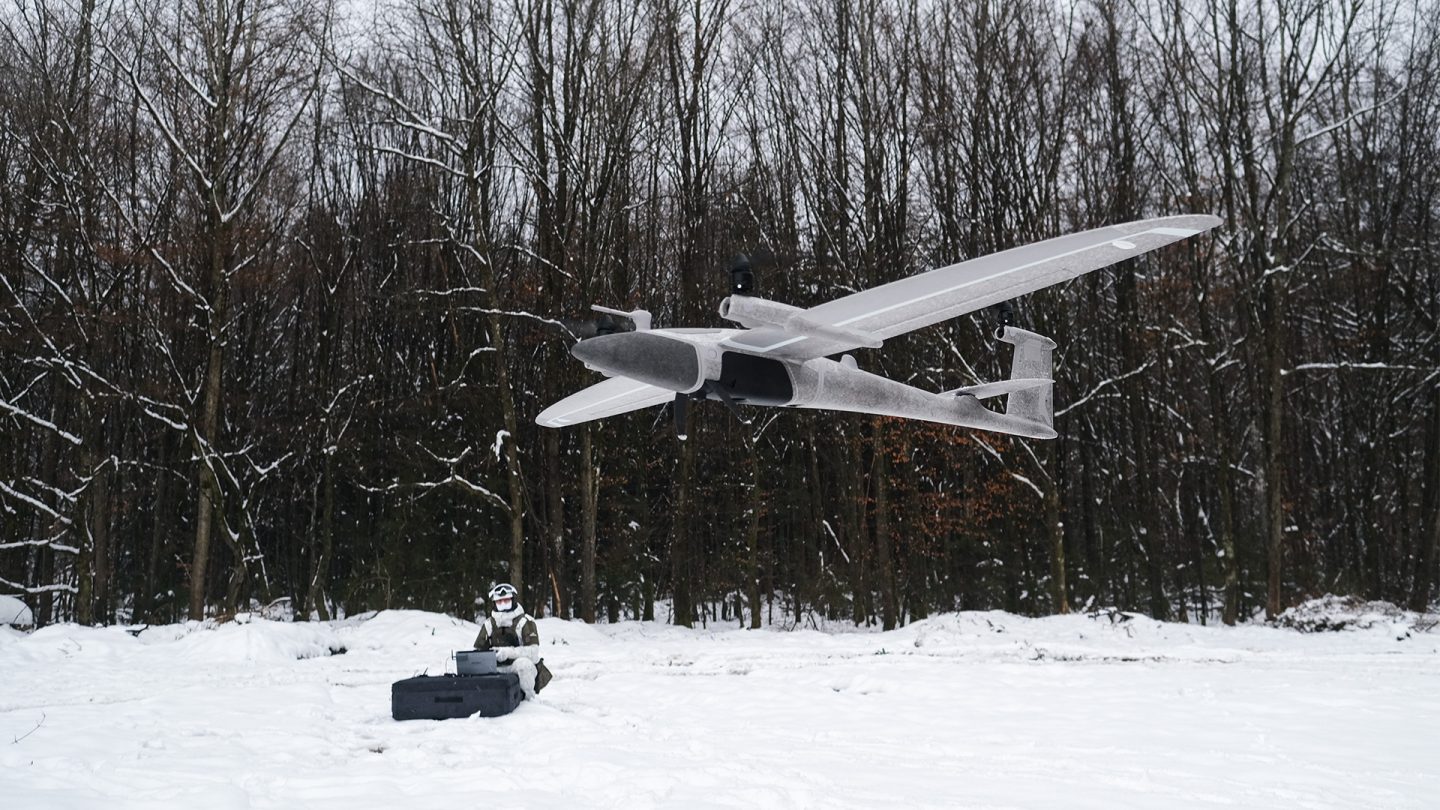
Indian defence and paramilitary forces are rapidly moving from ad-hoc drone trials to permanent **tactical drone and robotics labs** inside cantonments, air bases and training schools. These labs combine UAV fleets, UGV interceptors, counter-drone test ranges and in-house 3D printing so that units can prototype tactics, hardware and SOPs without waiting months for external vendors. AutoAbode has already deployed multiple such labs for Indian Army R&D units and state police forces — this guide distils what actually works in the field in 2026.
Core Mission of a Tactical Drone & Robotics Lab
A tactical lab is very different from an academic drone lab. The mission is not just research papers — it is **mission-ready capability**: better ISR coverage, faster target acquisition, safer route clearance and hardened counter-drone responses. In practice, a well-designed lab gives commanding officers three things: (1) an organic team that can configure and repair UAV/UGV platforms in-theatre, (2) the ability to run realistic red-team / blue-team exercises with swarms and low-cost FPV threats, and (3) a place to validate new payloads, comms links and AI models before they touch the live AO.
Hardware Pillars: UAV, UGV and Counter-Drone
- **UAV Fleet:** Mix of quad/hex multirotors for ISR, VTOL fixed-wings for long-range patrol, and expendable FPV platforms for red-team training. AutoAbode’s [BotBit UAV series](/uav-drones) is typically used as the open, modifiable blue-force platform.
- **UGV Interceptor Cell:** Tracked or wheeled ground robots configured as perimeter scouts, decoys and last-mile interceptors. Our [UGV Interceptor](/ugv-interceptor) platform is often paired with BotBit UAVs for combined arms drills.
- **Counter-Drone Sandbox:** RF sensors, radars (where available), optical tracking cameras and soft-kill payloads, all wired into a mission room for realistic defend-the-base exercises.
- **Additive Manufacturing Bay:** FDM + SLS 3D printers (Duper XL + SinterX Pro) for on-base fabrication of airframes, sensor mounts, radomes and training dummies.
- **Mission Room & Data Stack:** Multi-screen GCS, recording, after-action review tools and a local server cluster for AI/ML experiments on EO/IR feeds.
Budget Bands for Indian Defence Tactical Labs (2026)
From AutoAbode deployments, tactical drone & robotics labs for Indian defence typically fall into three CAPEX bands. A **compact lab** in the ₹1.5–3 Cr range focuses on training, limited UAV fleet and a single 3D printer. A **full-spectrum tactical lab** in the ₹3–6 Cr range adds UGV interceptors, integrated counter-drone sandbox and dual 3D printers (FDM + SLS). At the top end, **strategic labs** in the ₹6–10 Cr band include hardened mission rooms, long-range VTOL fleets, redundant ground stations and full AI experimentation stacks. Exact budgets depend on security classification, terrain and whether the lab is intended for one unit or as a theatre-level centre.
DGCA, MoD and Range Compliance Basics
Tactical defence labs in India operate under a dual compliance lens: **DGCA UAS Rules 2021** for airspace and **MoD/DGQA** frameworks for safety and test protocols. For most cantonment labs, indoor flight cages and confined test ranges inside the station boundary can be operated under local Station HQ SOPs; outdoor BVLOS trials and high-altitude VTOL tests must still be coordinated through the Digital Sky platform. AutoAbode’s lab design process bakes this in — we separate an indoor, netted experimental volume from an outdoor range, and standardise documentation so range clearances and safety boards are easier to obtain.
How AutoAbode Designs Tactical Defence Labs
Our tactical lab projects in India usually start with a three-day on-ground assessment: existing infrastructure, power and RF environment, unit mandate and likely threat scenarios (border surveillance, critical infra protection, urban ops, etc.). From there we design a phased roadmap: **Phase 1** gets a small BotBit UAV fleet, basic UGV Interceptor kits and a Duper XL FDM printer live within 60–90 days. **Phase 2** adds SinterX Pro SLS, counter-drone sandbox hardware and a hardened mission room. **Phase 3** focuses on AI-assisted targeting, swarm experiments and integration with existing C2 systems. The result is a lab that grows capabilities in manageable slices instead of one overwhelming mega-procurement.
Next Steps for Units Planning a Tactical Lab
If you are planning a tactical drone and robotics lab for an Indian defence or paramilitary unit, the most effective first step is a clear one-page brief: mission profile, terrain, likely threats, and budget band. AutoAbode’s team then converts this into a concrete bill of quantities, lab layout, deployment timeline and training plan — including red-team / blue-team exercise templates for your BotBit UAV and UGV Interceptor fleets. To discuss a classified or semi-classified requirement, your procurement or R&D cell can reach out via the contact AutoAbode channel referenced on our website so we can route the request through the appropriate secure path.
Rohan Sharma
Head of Tactical Systems, AutoAbode · Autoabode Consumer Electronics Pvt. Ltd.
Expert author at Autoabode — writing at the intersection of industrial 3D printing, defence manufacturing, and advanced UAV systems. Based in New Delhi, India.
Explore Autoabode's Platforms
This article is part of Autoabode's technical journal. Learn more about our core platforms built in India for defence, aerospace, medical and industrial teams:
More from the Journal
Off-Grid Communication Solutions for Mountainous Terrain: An Engineering Field Guide for India's High-Altitude Operators
Off-grid communication solutions for mountainous terrain are not optional in India — they are the difference between a coordinated operation and a stranded section. This engineering field guide breaks down the radio physics that defeats conventional VHF/UHF in the Himalayas, the mesh architectures that survive ridge-line shadowing, and the cold-weather, power-budget and security trade-offs that determine whether a system delivers in the Karakoram and Western Ghats. Built around real deployment data from Autoabode's MeshVani encrypted communicator and MeshVani Relay platform in service with the Indian Army, ITBP, NDRF and high-altitude expedition teams.
Drones & UAV · 7 min readModular UAV Payloads for Multi-Role Missions: A Technical Guide
Explore the technical specifications and strategic advantages of modular UAV payloads for multi-role missions. This guide covers hot-swap systems, sensor fusion, and real-world applications for defense and industry.