
Turnkey 3D Printing Lab Setup Cost for NITs & IITs India 2025
Rohan Mehta
Head of Academic Solutions, Autoabode · Autoabode
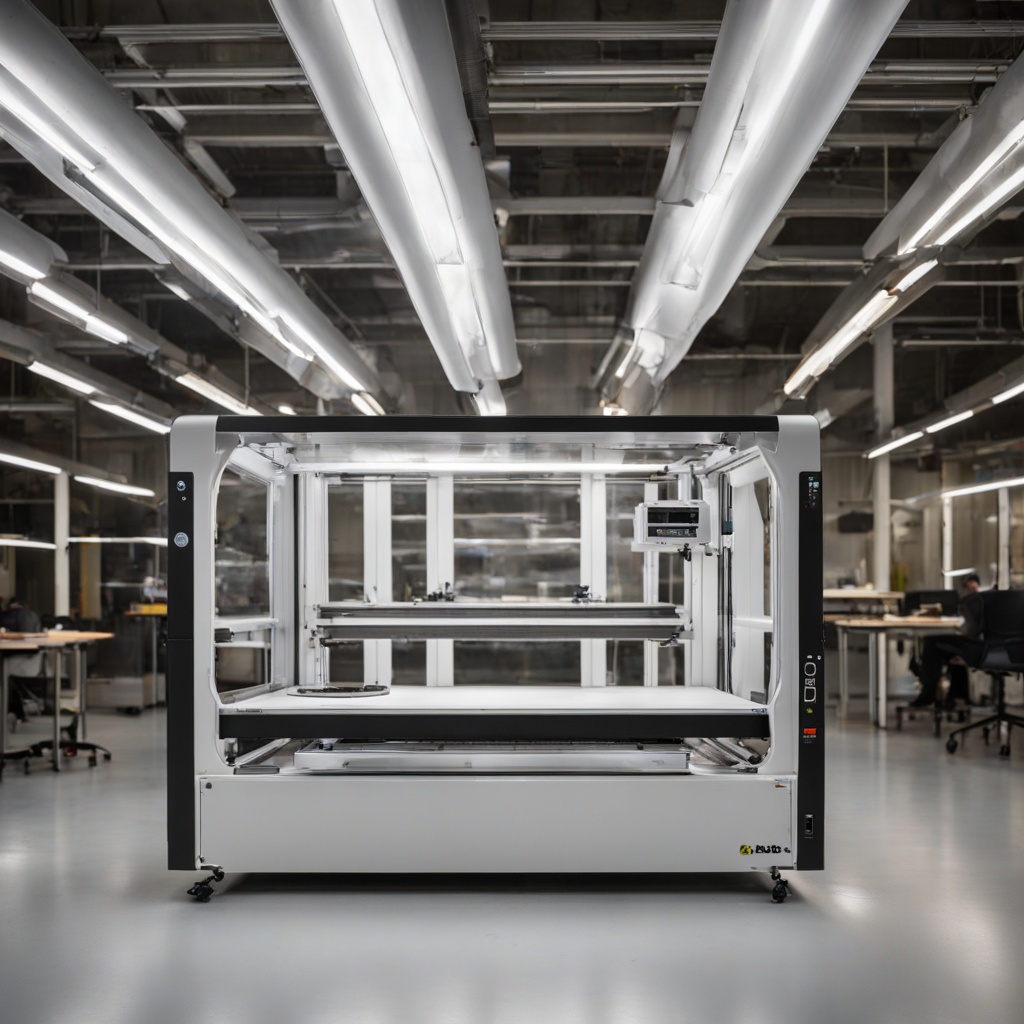
For engineering institutions like NITs and IITs aiming to lead in advanced manufacturing, understanding the complete 3D printing lab setup cost is the critical first step. The query '3D printing lab setup cost engineering college India' reflects a widespread need for clarity beyond just printer price tags. A functional academic lab is a complex ecosystem integrating hardware, software, materials, and safety infrastructure. Based on Autoabode's extensive collaborations with institutions like IIT Madras and NIT Warangal, we've observed that a holistic budget planning prevents the common pitfall of underfunding operational and training phases. This analysis for 2025-26 provides a transparent, component-wise cost breakdown, empowering deans and department heads to build a future-ready facility that supports everything from undergraduate projects to cutting-edge DRDO-sponsored research, ensuring every rupee invested translates directly into enhanced learning and innovation output.
Core Hardware Investment: Beyond the Printer Sticker Price
Choosing the Right Printer Portfolio for Academic Workloads
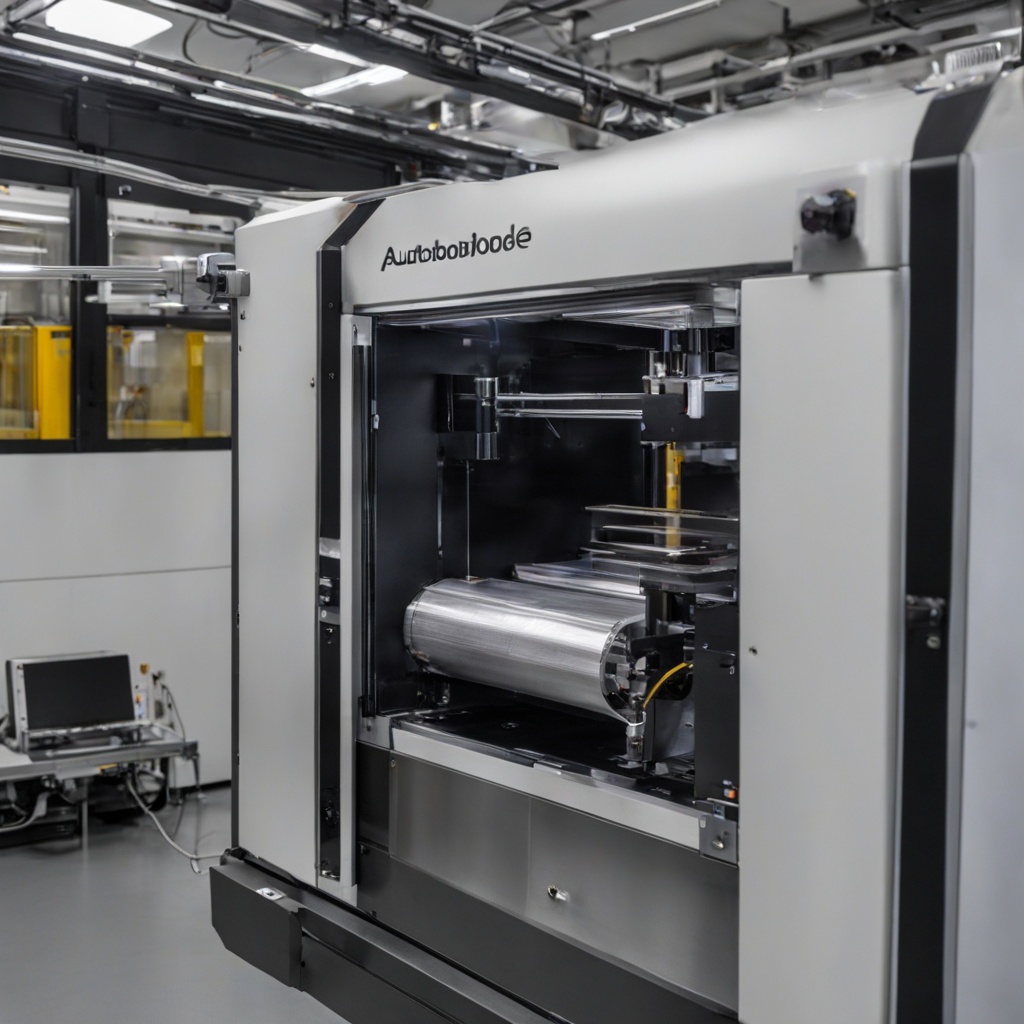
The printer itself typically constitutes 40-50% of the initial capital expenditure. For an NIT or IIT, a multi-technology approach is essential. A foundational lab should include reliable FDM workhorses for high-volume, low-cost prototyping in coursework. For instance, Autoabode's Duper XL FDM series, with a 300 x 300 x 400 mm build volume and ±0.1 mm accuracy, is deployed across several IITs for capstone projects. However, for advanced research in aerospace or biomedical engineering—areas where our clients like ISRO and DRDO operate—polymer powder-based systems are non-negotiable. A lab focused on end-use parts or complex geometries must budget for an SLS machine. The Autoabode SinterX Pro, with a 200W fiber laser and 150 x 150 x 150 mm build chamber, enables students to work with nylon-based composites offering tensile strength up to 48 MPa, directly applicable to UAV component development for the BotBit UAV series.
Beyond the primary units, ancillary hardware is a significant, often overlooked cost center. A complete SLS workflow requires a dedicated powder handling station with sieving and mixing capabilities, and a media blaster for post-processing. For FDM labs, a fleet of printers demands a centralized filament drying and storage system to prevent material waste—a common issue in humid Indian climates. Each printer station must also include a dedicated computer workstation with a professional-grade GPU (e.g., NVIDIA RTX A4000) to handle complex slicing and CAD software without bottlenecking student workflow. In Autoabode's production trials with academic partners, we've quantified that neglecting this support hardware can reduce effective machine uptime by up to 30%.
Autoabode's lab audit for a premier NIT revealed that ancillary equipment and safety infrastructure accounted for 35% of the total setup cost, a figure crucial for accurate budget forecasting.
- Primary Printers: 1-2 Industrial FDM units (e.g., 500 x 500 x 500 mm build) + 1 SLS/Nylon system.
- Post-Processing: Media blasting cabinet, CNC-supported finishing tools, ultrasonic cleaner for resins.
- Safety & Environment: Industrial-grade air filtration (HEPA+ activated carbon), fume extractors, fire suppression system for powder handling areas.
- Computational Hub: High-performance workstations (min. 32GB RAM, professional GPU), networked storage for design files.
- Metrology & QA: Digital calipers (0.01mm resolution), coordinate measuring machine (CMM) probe, tensile testing fixture for material validation.
Software, Materials, and Recurring Operational Budgets
Licensing, Consumables, and the True Cost of Operation
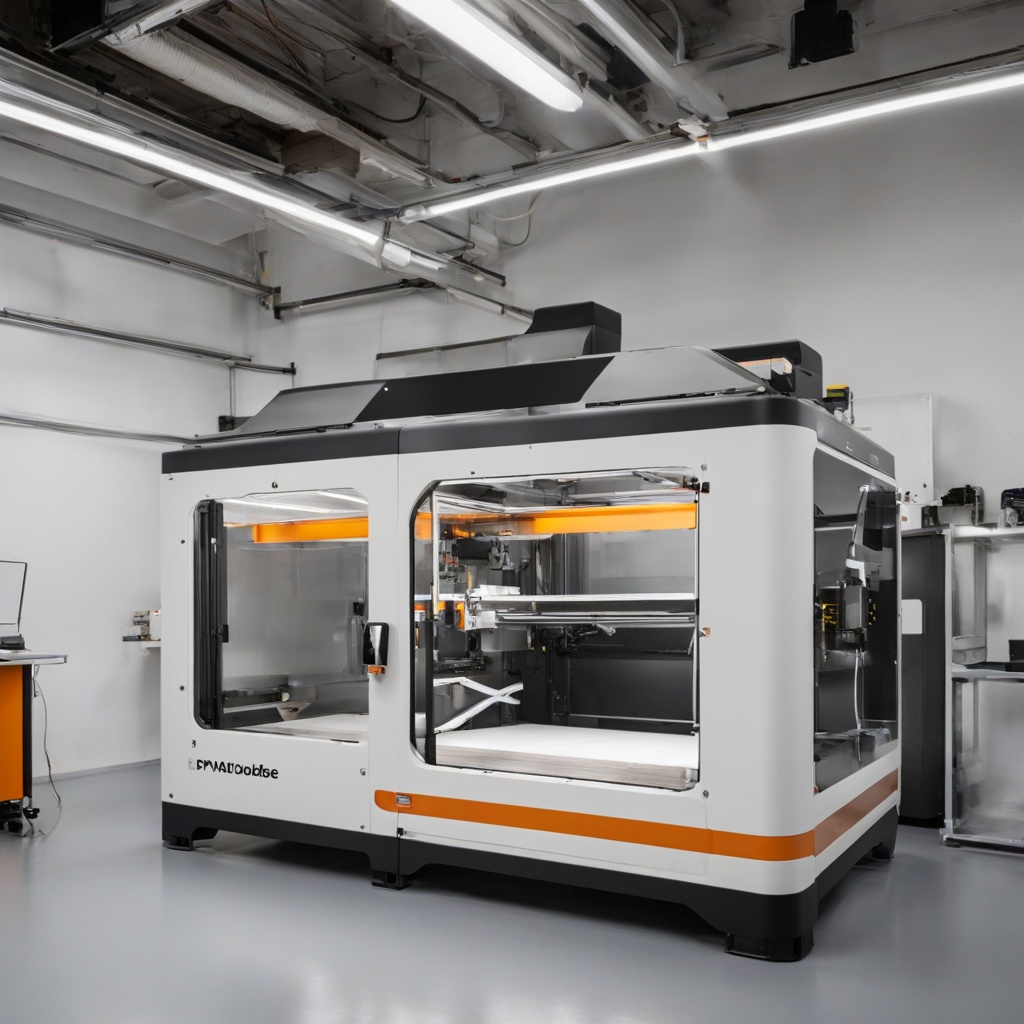
While hardware is a one-time capex, software and materials form the recurring operational heartbeat of the lab. Educational licenses for professional CAD (e.g., SolidWorks, Fusion 360) and slicing software (e.g., Simplify3D, proprietary machine software) are mandatory. A lab with 20 workstations can expect an annual software licensing cost ranging from ₹8-15 lakhs, depending on the suite. More critically, the material budget is often miscalculated. For FDM, standard PLA may cost ₹2,500/kg, but engineering-grade materials like PEI or carbon-fiber filled composites can exceed ₹15,000/kg. For SLS, the cost dynamics are different. While nylon powder for the SinterX Pro starts around ₹1,800/kg, the process requires a constant inventory of both new and recycled powder, with a typical refresh rate of 30-50% for each build to maintain part quality—directly impacting the cost-per-part calculations students must learn.
Operational costs extend to utilities and maintenance. An industrial FDM printer consumes ~1.5 kWh, while an SLS system with a laser and heaters can draw 3-4 kWh during operation. For a lab running 12 hours daily, this translates to a significant monthly electricity bill. Furthermore, preventive maintenance contracts are not optional; they are insurance. A comprehensive annual maintenance contract (AMC) covering calibration, nozzle replacements, laser optics cleaning, and software updates typically costs 10-15% of the original equipment price. Autoabode's engineers recommend factoring in a consumables and maintenance budget equal to 20-25% of the initial hardware cost for the first year of operation to ensure smooth, uninterrupted academic schedules and research timelines.
The Indian Academic Context and Autoabode's Integrated Solution
Setting up a 3D printing lab in an Indian NIT or IIT must align with national initiatives like the 'Make in India' campaign and the Defence Acquisition Procedure (DAP) 2020, which emphasizes indigenous design and prototyping. Procuring equipment under the PLI Scheme can offer financial advantages. More importantly, the lab's output should feed into strategic sectors. For example, research on lightweight composites for UAVs directly supports the DGCA UAS Rules 2021 ecosystem, while developing ruggedized components aligns with projects for the Indian Army or BHEL. Autoabode's turnkey approach is designed for this context. We don't just supply a Duper XL or SinterX Pro printer; we provide a complete lab blueprint, including compliance with Indian factory and educational safety codes, integration of our SLS materials library for R&D, and curriculum modules co-developed with IIT faculty for courses on additive manufacturing. Our post-installation support includes training lab technicians and facilitating industry-academia partnerships for real-world projects, such as rapid prototyping services for defense applications or developing counter-drone system components. This integrated model ensures the lab becomes a center of innovation, not just a equipment room, maximizing return on the institution's investment.
Frequently Asked Questions
Q: What is the total cost to set up a 3D printing lab in an engineering college?
A: The total 3D printing lab setup cost for an engineering college in India for 2025-26 typically ranges from ₹75 lakhs to ₹2.5 crores, depending on scale and technology mix. A basic lab with 5-10 professional FDM printers, post-processing stations, and software might start at ₹75 lakhs. A comprehensive, research-focused facility at an IIT, incorporating industrial SLS technology (like the Autoabode SinterX Pro), advanced metallurgy software, and full safety infrastructure, can require an investment of ₹2 crores or more. This capital expenditure (capex) must be supplemented with an annual operational budget of 20-25% of the capex for materials, maintenance, and software licenses. Autoabode's consultations with NITs have shown that a mid-range lab with mixed FDM and polymer SLS capability, suitable for both teaching and sponsored research, averages around ₹1.5 crores for a turnkey setup.
Q: Which 3D printer is best for engineering students?
A: The 'best' printer depends on the learning objective. For foundational CAD-to-part workflow and high-volume prototyping in mechanical engineering courses, a robust, large-format FDM printer like the Autoabode Duper XL is ideal due to its reliability, ±0.1 mm accuracy, and lower operational complexity. For final-year projects and postgraduate research involving functional, high-strength, or complex geometries, an SLS (Selective Laser Sintering) printer is essential. SLS technology, as used in our SinterX Pro, allows students to work with engineering-grade nylons and composites without support structures, teaching them design for additive manufacturing (DfAM) principles used by industries like aerospace and automotive. Therefore, a balanced lab should have both: FDM for accessibility and SLS for advanced applications.
Q: How much space is needed for a 3D printing laboratory?
A: A functional 3D printing laboratory requires a minimum of 800 to 1,200 square feet of dedicated, well-ventilated space. This area must be zoned for different activities: a clean CAD/simulation zone for workstations (200 sq. ft.), the main printing floor with stable power and anti-vibration tables for 5-10 printers (400-600 sq. ft.), a separate post-processing zone with fume extraction for sanding, chemical smoothing, or media blasting (150 sq. ft.), and a secure storage area for filaments and powders with climate control (100 sq. ft.). Critically, SLS printers require additional space for powder handling and recycling equipment, and the entire lab must comply with institutional safety codes, necessitating clear aisles and emergency exits. Autoabode's lab design service includes detailed space planning to optimize this workflow.
Q: Are there government grants for 3D printing labs in India?
A: Yes, several government grants and schemes can subsidize the 3D printing lab setup cost. The most prominent is the Ministry of Education's (MoE) funding for 'Institutions of Eminence' and other centrally-funded technical institutes like IITs and NITs, which have dedicated budgets for advanced infrastructure. Additionally, the Production Linked Incentive (PLI) Scheme for Advanced Chemistry Cell (ACC) and White Goods can indirectly support labs focusing on material R&D. Research-specific funding is available through agencies like the Defence Research and Development Organisation (DRDO) and the Department of Science & Technology (DST) for projects aligned with national priorities. Autoabode actively assists institutions in aligning their lab proposals with these funding frameworks, ensuring the equipment, such as our indigenously developed UGV Interceptor platforms for research, meets the 'Make in India' criteria often required for grant eligibility.
Investing in a 3D printing lab is an investment in the future of engineering education and indigenous R&D. By moving beyond simplistic hardware costs to a holistic view encompassing software, materials, safety, and training, institutions can create a powerhouse for innovation. Such a facility not only elevates student outcomes but also positions the college as a strategic partner for national projects and industry collaboration. With careful planning aligned with India's technological self-reliance goals, this capital outlay delivers compounding returns in knowledge creation and applied research. To develop a detailed, customized proposal and budget for your institution's vision, connect with our academic solutions team at Autoabode.
Frequently Asked Questions
The total 3D printing lab setup cost for an engineering college in India for 2025-26 typically ranges from ₹75 lakhs to ₹2.5 crores, depending on scale and technology mix. A basic lab with 5-10 professional FDM printers, post-processing stations, and software might start at ₹75 lakhs. A comprehensive, research-focused facility at an IIT, incorporating industrial SLS technology (like the Autoabode SinterX Pro), advanced metallurgy software, and full safety infrastructure, can require an investment of ₹2 crores or more. This capital expenditure (capex) must be supplemented with an annual operational budget of 20-25% of the capex for materials, maintenance, and software licenses. Autoabode's consultations with NITs have shown that a mid-range lab with mixed FDM and polymer SLS capability, suitable for both teaching and sponsored research, averages around ₹1.5 crores for a turnkey setup.
Rohan Mehta
Head of Academic Solutions, Autoabode · Autoabode Consumer Electronics Pvt. Ltd.
Expert author at Autoabode — writing at the intersection of industrial 3D printing, defence manufacturing, and advanced UAV systems. Based in New Delhi, India.
Explore Autoabode's Platforms
This article is part of Autoabode's technical journal. Learn more about our core platforms built in India for defence, aerospace, medical and industrial teams:
More from the Journal
Off-Grid Communication Solutions for Mountainous Terrain: An Engineering Field Guide for India's High-Altitude Operators
Off-grid communication solutions for mountainous terrain are not optional in India — they are the difference between a coordinated operation and a stranded section. This engineering field guide breaks down the radio physics that defeats conventional VHF/UHF in the Himalayas, the mesh architectures that survive ridge-line shadowing, and the cold-weather, power-budget and security trade-offs that determine whether a system delivers in the Karakoram and Western Ghats. Built around real deployment data from Autoabode's MeshVani encrypted communicator and MeshVani Relay platform in service with the Indian Army, ITBP, NDRF and high-altitude expedition teams.
Drones & UAV · 7 min readModular UAV Payloads for Multi-Role Missions: A Technical Guide
Explore the technical specifications and strategic advantages of modular UAV payloads for multi-role missions. This guide covers hot-swap systems, sensor fusion, and real-world applications for defense and industry.