
Turnkey Drone Innovation Lab Setup Cost for Engineering Colleges India
Rohan Sharma
Head of Aerospace Solutions, Autoabode · Autoabode
Engineering colleges across India are actively seeking to establish a **turnkey drone innovation lab setup**, but the cost and complexity often present a significant barrier. The primary query from academic administrators is straightforward: 'What is the **turnkey drone lab setup cost India college** institutions need to budget for?' A comprehensive, operational lab is not just about purchasing drones; it's an integrated ecosystem for research, design, prototyping, and regulatory compliance. Based on Autoabode's experience deploying labs for IITs and NITs, the total investment for a future-ready facility ranges from ₹45 lakhs to ₹1.2 crores. This variance depends on the scope—whether the focus is on basic flight training, advanced R&D for applications like precision agriculture and surveillance, or full-stack development including airframe design and embedded systems. Without a clear, phased budget that includes hardware, software, safety infrastructure, and faculty training, colleges risk procuring isolated equipment that fails to create a cohesive learning and innovation environment, ultimately wasting precious grants and missing the opportunity to lead in a sector boosted by India's National Drone Policy and PLI Scheme.
Core Components of a Turnkey Drone Lab
Hardware Infrastructure and Flight Platforms
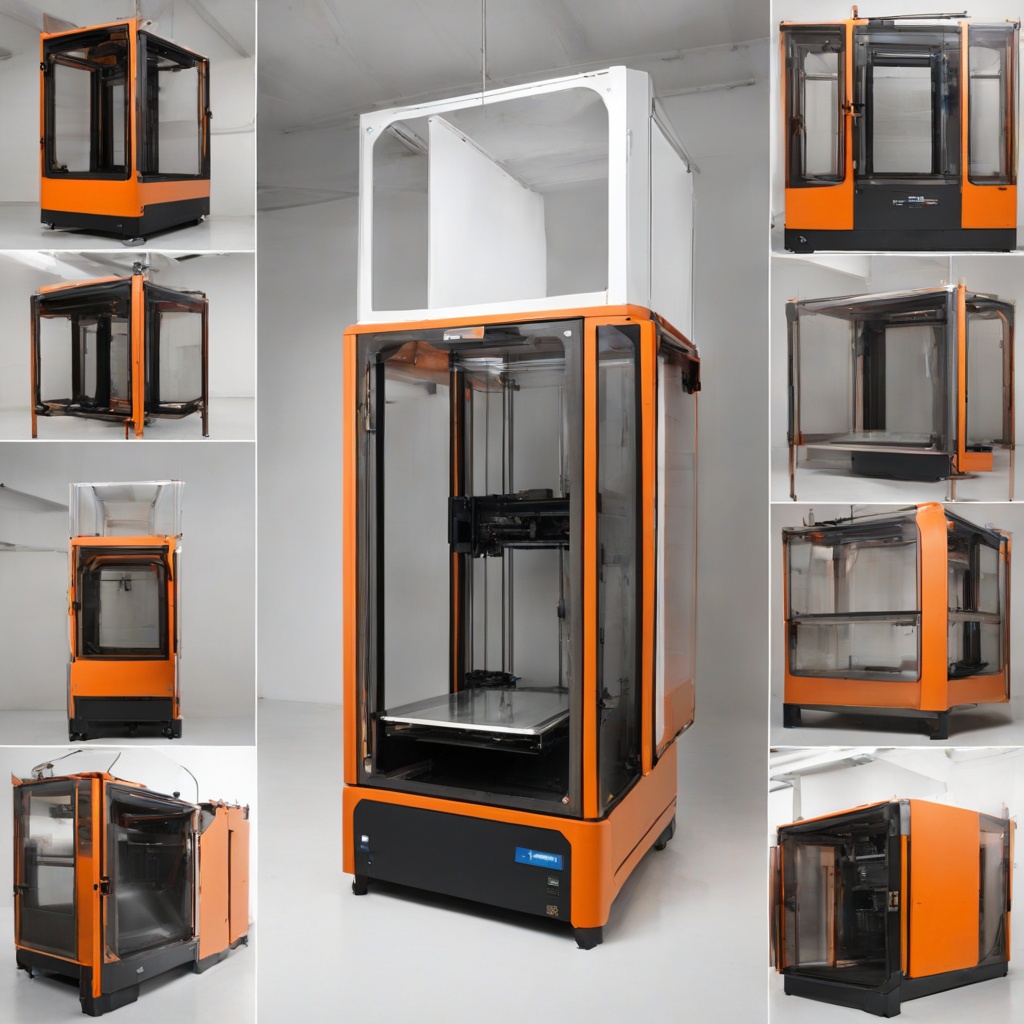
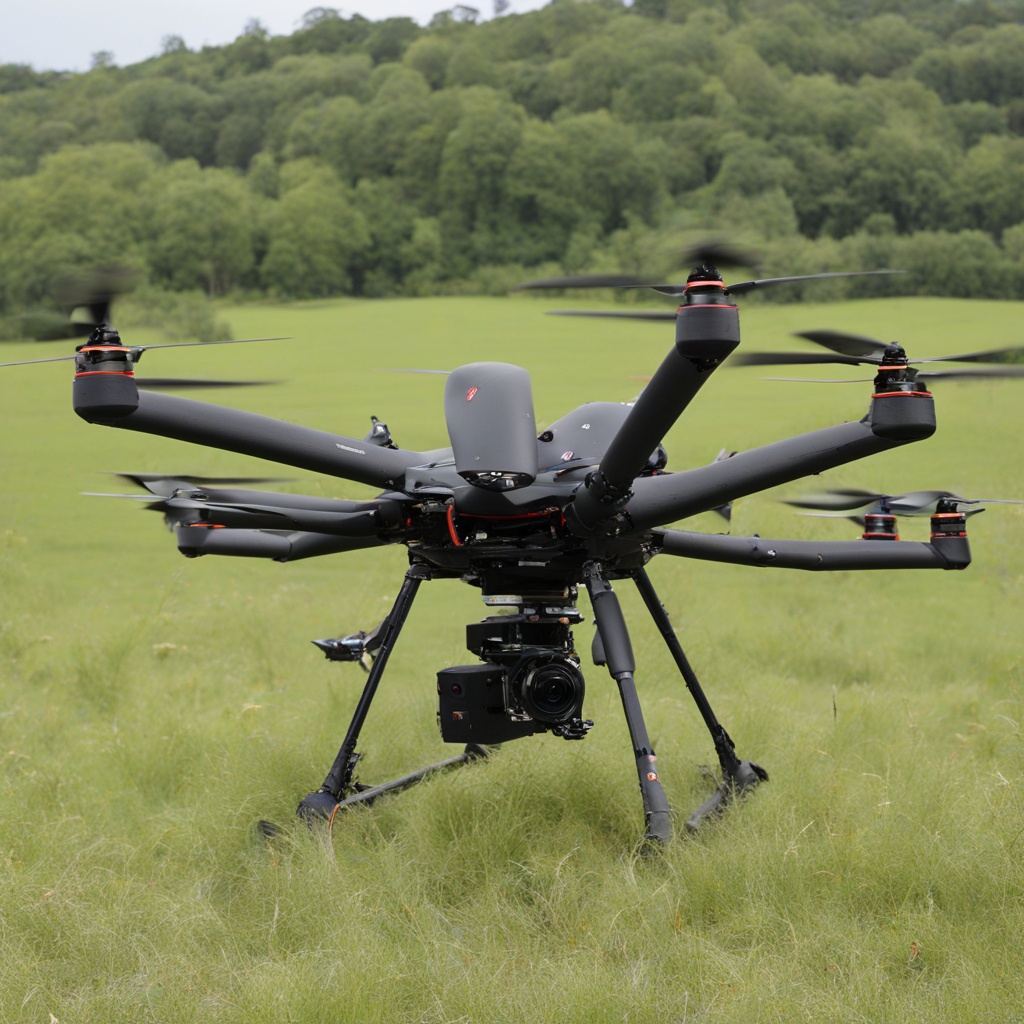
The physical hardware forms the backbone of any drone innovation lab. A tiered approach is essential, starting with training platforms like multi-rotor drones (e.g., quadcopters and hexacopters) for basic piloting and autonomy programming, which typically cost between ₹80,000 to ₹2.5 lakhs per unit. For advanced research, fixed-wing UAVs for long-endurance mapping and hybrid VTOL models are necessary, with prices ranging from ₹5 lakhs to ₹15 lakhs each. Crucially, a lab must include prototyping capabilities. This is where integrating a dedicated **rapid prototyping** station with industrial-grade 3D printers becomes non-negotiable. For instance, using our **Duper XL FDM series** printers allows students to fabricate custom drone frames, gimbal mounts, and aerodynamic components in-house with a build volume of 600 x 600 x 600 mm and layer resolution down to 50 microns. For producing lightweight, high-strength functional parts like ducted fan shrouds or antenna casings, an **SLS printer** like the SinterX Pro, capable of printing in nylon composites, is ideal. This in-house manufacturing slashes prototype iteration time from weeks to days and is a core principle of the 'Make in India' initiative for aerospace.
Beyond the drones themselves, supporting hardware constitutes a major part of the **turnkey drone lab setup cost**. This includes a dedicated, netted flight cage or indoor flying arena (approx. ₹8-15 lakhs), a fleet of ground control stations (₹1-2 lakhs each), and a comprehensive ground support equipment kit. The kit should contain spectral sensors (multispectral, hyperspectral), LiDAR payloads for 3D mapping, thermal imaging cameras, and high-precision RTK-GPS modules for cm-level accuracy. Our engineers at Autoabode have observed that labs equipped with a diverse sensor suite enable projects aligned with national priorities, such as using our **BotBit UAV series** for crop health analysis or infrastructure inspection, mirroring work done for clients like BHEL. Furthermore, maintenance stations with diagnostic tools, battery management systems, and storage solutions for LiPo batteries are critical for operational safety and longevity, adding another ₹3-5 lakhs to the capital expenditure.
Autoabode's lab deployment data shows that colleges allocating 25-30% of their total budget to in-house prototyping and repair stations reduce long-term operational costs by over 40%.
- Flight Platforms: 5-8 multi-rotor drones (₹80k-₹2.5L each), 2-3 fixed-wing/VTOL UAVs (₹5L-₹15L each) for advanced projects.
- Prototyping Hub: 1-2 Industrial FDM printers (e.g., Duper XL, ₹12-18L) and 1 SLS printer (e.g., SinterX Pro, ₹25-35L) for airframe and component manufacturing.
- Sensor & Payload Suite: Multispectral, Thermal, LiDAR, and RTK-GPS modules to enable research in agriculture, surveying, and defence applications.
- Ground Infrastructure: Netted flight cage (₹8-15L), Ground Control Stations (GCS) with dual-screen setups, and secure battery storage/charging stations.
- Safety & Compliance Kit: DGCA-approved remote pilot training simulators, RF signal analyzers, and first-response equipment for crash scenarios.
Software, Curriculum, and Operational Budget
The Digital Backbone and Recurring Costs
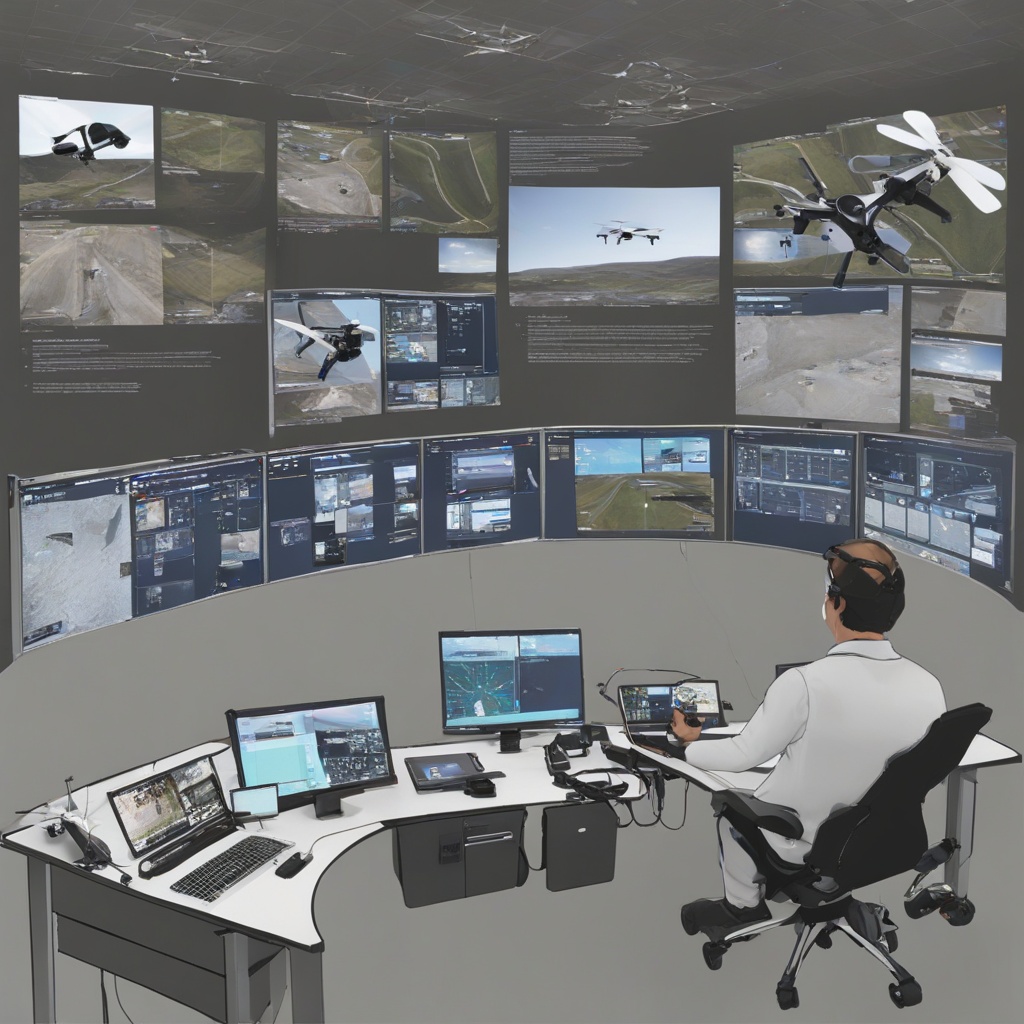
A state-of-the-art drone lab is defined as much by its software stack as by its hardware. The **turnkey drone lab setup cost** must include licenses for professional-grade software, which can amount to ₹10-15 lakhs initially. This includes CAD/CAM software (like SOLIDWORKS or Fusion 360) for aerodynamic design, simulation tools (e.g., ANSYS Fluent, MATLAB/Simulink) for modelling flight dynamics and control algorithms, and dedicated photogrammetry & GIS software (like Pix4D, ArcGIS) for processing survey data. Furthermore, labs focusing on autonomous systems and AI require robust computing clusters or workstations with high-end GPUs for real-time image processing and machine learning model training, adding ₹5-10 lakhs. Crucially, software for mission planning, fleet management, and complying with India's DGCA UAS Rules 2021 for digital sky platform integration is mandatory. Autoabode's labs typically bundle this software with our **UAV platforms**, ensuring seamless workflow from design in CAD to flight path simulation and actual mission execution.
The operational and human resource budget is often underestimated. Beyond the capital expenditure (CapEx), colleges must plan for recurring operational costs (OpEx) of ₹5-8 lakhs annually. This covers consumables like **SLS materials** (nylon powders, etc.), filament for FDM printers, spare propellers, motors, and batteries. It also includes software subscription renewals (20-25% of initial cost per year) and insurance for equipment and flight operations. Most importantly, a significant portion should be allocated to continuous faculty upskilling and technician training. Partnering with an industry expert like Autoabode for a **turnkey** solution often includes a structured train-the-trainer program, curriculum modules aligned with AICTE guidelines, and access to project blueprints from real-world applications in defence and agriculture, ensuring the lab's output meets industry standards from day one.
The Indian Context and Autoabode's Integrated Solution
Setting up a drone lab in India has unique advantages and requirements shaped by national policies. The government's PLI Scheme for drones, the 'Make in India' mandate in Defence Acquisition Procedure (DAP) 2020, and the new DGCA rules create a ripe ecosystem for academic R&D with direct industry linkages. Engineering colleges are not just teaching centres but potential innovation hubs for indigenisation. For example, a lab can develop custom payloads for the **BotBit UAV series** used in border surveillance or create algorithms for **counter-drone system** technologies, areas of high priority for clients like the Indian Army and DRDO. Autoabode's turnkey model is designed specifically for this landscape. We don't just supply equipment; we deliver a complete innovation ecosystem. This includes the UAV platforms, the **Duper XL** and **SinterX Pro** printers for rapid iteration, a structured curriculum, and ongoing mentorship. Our approach ensures compliance with 'Made in India' norms and prepares students for projects that can contribute to national programs, from developing ruggedised **UGV Interceptor** companions for drones to designing swarming algorithms. By choosing an integrated partner, colleges mitigate risk, accelerate deployment, and ensure their **turnkey drone lab setup cost** translates directly into measurable research output and student readiness for a booming domestic aerospace sector.
Frequently Asked Questions
Q: What is the total cost to set up a drone lab in an engineering college in India?
A: The total turnkey cost for a comprehensive drone innovation lab in an Indian engineering college typically ranges from ₹45 lakhs to ₹1.2 crores. This estimate covers all essential components: a fleet of multi-rotor and fixed-wing UAVs (like those in our BotBit series), an in-house rapid prototyping station with industrial 3D printers (such as the Duper XL for frames), a full suite of sensors (LiDAR, multispectral), dedicated flight and software simulation infrastructure, and mandatory safety equipment. The final cost depends on the lab's focus—basic flight training labs start at the lower end, while advanced R&D facilities with SLS printing for composite parts and AI-computing clusters reach the higher range. Autoabode's detailed project reports help colleges align this investment with available grants under the PLI scheme or AICTE funding.
Q: What equipment is needed for a drone research lab?
A: A full-spectrum drone research lab requires carefully selected equipment across five categories. First, flight platforms: 5-8 multi-rotor drones for algorithm testing and 2-3 fixed-wing/VTOL UAVs for endurance projects. Second, prototyping tools: Industrial FDM and SLS 3D printers (like the SinterX Pro) to manufacture and iterate custom airframes and components in materials like nylon. Third, sensor payloads: Thermal, multispectral, and LiDAR sensors for data collection. Fourth, ground infrastructure: A netted flight cage, ground control stations, and battery management systems. Fifth, software: CAD (SOLIDWORKS), simulation (MATLAB), and photogrammetry (Pix4D) software licenses. This setup, as deployed by Autoabode for IITs, enables end-to-end development from design to deployment.
Q: How can engineering colleges get funding for a drone lab?
A: Engineering colleges can access multiple funding avenues for a drone lab. Primarily, they can apply for grants under the AICTE's (All India Council for Technical Education) scheme for establishing 'Emerging Technology Labs'. Secondly, the government's Production Linked Incentive (PLI) Scheme for drones encourages industry-academia collaboration, where colleges can partner with manufacturers like Autoabode on specific R&D projects. Third, colleges can utilise their own research and development (R&D) budgets or seek funding from central government ministries like the Ministry of Defence (MoD) or Ministry of Agriculture for relevant applied research. Autoabode assists institutions by providing the necessary technical project reports and cost-breakdown documents required to secure these grants, demonstrating alignment with 'Make in India' and national defence indigenisation goals.
Q: What are the key benefits of a turnkey solution over piecemeal procurement?
A: A turnkey solution from an experienced provider like Autoabode offers four key benefits over piecemeal procurement. First, it guarantees interoperability; all hardware (drones, printers) and software are tested to work seamlessly together, avoiding compatibility issues that can stall projects for months. Second, it includes comprehensive training and curriculum support, ensuring faculty and students can utilise the lab effectively from day one, rather than having advanced equipment lie dormant. Third, it future-proofs the investment with upgrade paths and compliance with evolving DGCA regulations. Fourth, it provides single-point accountability for maintenance, support, and calibration. Our data shows turnkey labs become fully operational and produce research papers or prototypes 60% faster than labs built through fragmented purchases, ensuring a faster return on investment for the college.
Investing in a drone innovation lab is no longer a luxury but a strategic necessity for engineering colleges aiming to be relevant in the future of aerospace and robotics. The defined **turnkey drone lab setup cost** is an investment in creating a hub that bridges academic theory and industrial application, directly feeding into India's ambition to become a global drone hub by 2030. By choosing a holistic, integrated approach that combines flight platforms, in-house manufacturing via 3D printing, and industry-aligned curriculum, institutions can ensure their graduates are not just job-seekers but job-creators and innovators. Autoabode is committed to partnering with India's educational institutions to build these centres of excellence, providing end-to-end support from concept to operational launch. To discuss a customized proposal and detailed cost breakdown for your institution, **contact Autoabode** today for a consultation.
Frequently Asked Questions
The total turnkey cost for a comprehensive drone innovation lab in an Indian engineering college typically ranges from ₹45 lakhs to ₹1.2 crores. This estimate covers all essential components: a fleet of multi-rotor and fixed-wing UAVs (like those in our BotBit series), an in-house rapid prototyping station with industrial 3D printers (such as the Duper XL for frames), a full suite of sensors (LiDAR, multispectral), dedicated flight and software simulation infrastructure, and mandatory safety equipment. The final cost depends on the lab's focus—basic flight training labs start at the lower end, while advanced R&D facilities with SLS printing for composite parts and AI-computing clusters reach the higher range. Autoabode's detailed project reports help colleges align this investment with available grants under the PLI scheme or AICTE funding.
Rohan Sharma
Head of Aerospace Solutions, Autoabode · Autoabode Consumer Electronics Pvt. Ltd.
Expert author at Autoabode — writing at the intersection of industrial 3D printing, defence manufacturing, and advanced UAV systems. Based in New Delhi, India.
Explore Autoabode's Platforms
This article is part of Autoabode's technical journal. Learn more about our core platforms built in India for defence, aerospace, medical and industrial teams:
More from the Journal
Off-Grid Communication Solutions for Mountainous Terrain: An Engineering Field Guide for India's High-Altitude Operators
Off-grid communication solutions for mountainous terrain are not optional in India — they are the difference between a coordinated operation and a stranded section. This engineering field guide breaks down the radio physics that defeats conventional VHF/UHF in the Himalayas, the mesh architectures that survive ridge-line shadowing, and the cold-weather, power-budget and security trade-offs that determine whether a system delivers in the Karakoram and Western Ghats. Built around real deployment data from Autoabode's MeshVani encrypted communicator and MeshVani Relay platform in service with the Indian Army, ITBP, NDRF and high-altitude expedition teams.
Drones & UAV · 7 min readModular UAV Payloads for Multi-Role Missions: A Technical Guide
Explore the technical specifications and strategic advantages of modular UAV payloads for multi-role missions. This guide covers hot-swap systems, sensor fusion, and real-world applications for defense and industry.