
Turnkey Drone Innovation Lab Setup Cost for Indian Universities 2025
Rohan Mehta
Head of Aerospace Systems, Autoabode · Autoabode
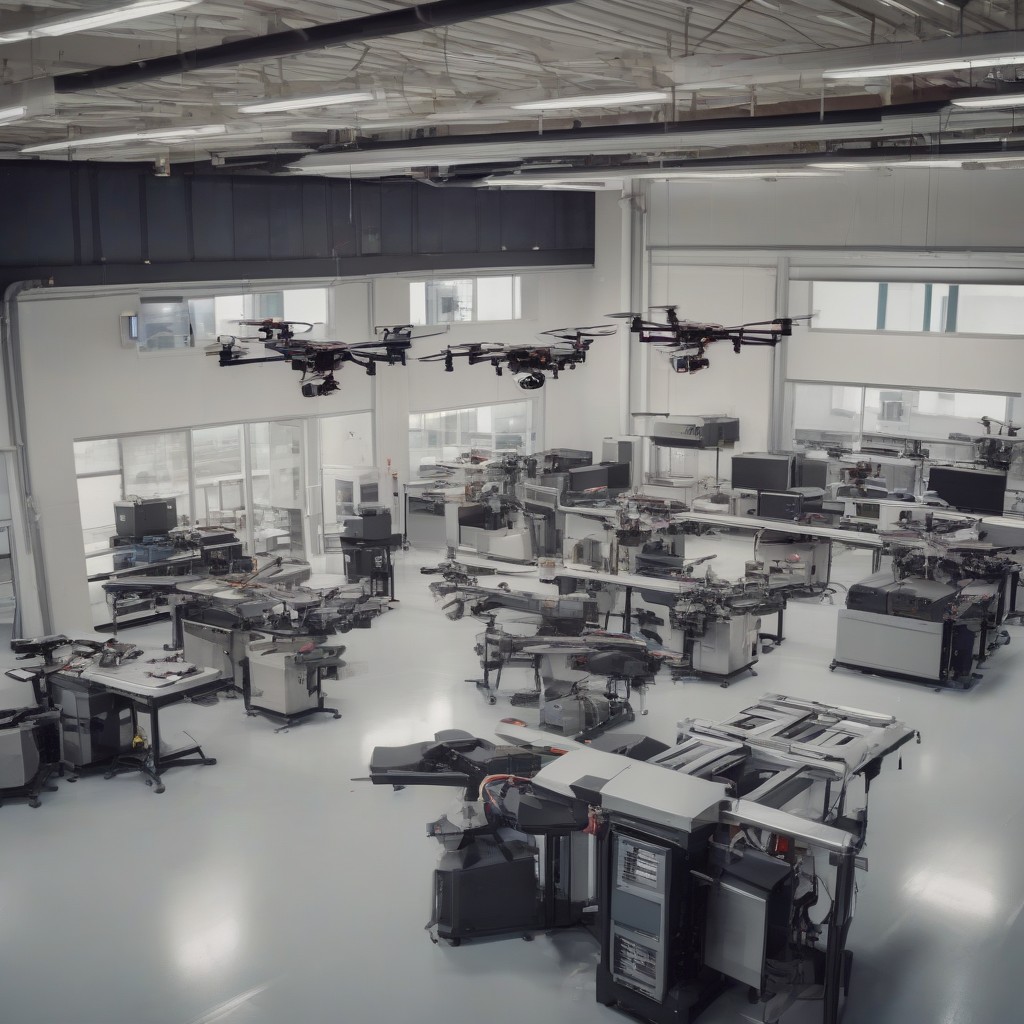
For Indian universities aiming to lead in aerospace research and skill development, establishing a turnkey drone innovation lab is no longer a futuristic ambition but a strategic necessity. The primary challenge, however, lies in accurately forecasting the total setup cost and navigating the complex regulatory and technical landscape. A turnkey drone innovation lab for a university in India represents a comprehensive, ready-to-operate ecosystem for Unmanned Aerial Vehicle (UAV) design, prototyping, testing, and pilot training. Based on Autoabode's experience in deploying such labs for IITs and DRDO-linked institutions, the capital expenditure (CAPEX) for a foundational, DGCA-compliant facility in 2025 starts at approximately ₹1.2 Crore, with operational costs adding another 15-20% annually. This investment unlocks not just cutting-edge research in areas like swarm robotics and payload integration but also creates a pipeline of industry-ready engineers, directly supporting national initiatives like the PLI Scheme for drones and the DAP 2020 (Defence Acquisition Procedure).
Breaking Down the Capital Expenditure (CAPEX)
Core Hardware and Airframe Inventory
The foundation of any drone innovation lab is its fleet and fabrication tools. A robust, multi-disciplinary lab requires a tiered inventory of UAV platforms. This includes 5-10 training-grade multirotor drones for basic flight dynamics and pilot certification under DGCA UAS Rules 2021, several advanced fixed-wing VTOL (Vertical Take-Off and Landing) platforms for endurance and mapping research, and at least 2-3 fully customizable open-source platforms like those in our BotBit UAV series for advanced R&D in autonomy and computer vision. Beyond the airframes, a significant portion of CAPEX is allocated to the prototyping workshop. This must include professional-grade FDM 3D printers, like our Duper XL series with a 400x400x500 mm build volume for rapid iteration of aerodynamic components, and a dedicated electronics workstation for soldering, sensor integration, and flight controller programming. Our engineers at Autoabode have observed that labs allocating at least ₹40-50 Lakhs to this core hardware segment see a 70% faster prototype iteration cycle.
Complementing the airframes is the sensor and payload suite, which defines the lab's research scope. A basic research suite includes RTK-GPS modules for cm-level positioning accuracy, multispectral sensors for agricultural research, LiDAR payloads for high-resolution 3D mapping, and thermal imaging cameras. For labs focusing on defence and security applications, integrating a counter-drone system for research into electronic warfare and neutralization techniques is crucial. Furthermore, a dedicated ground control station (GCS) with dual-monitor setups, telemetry radios with a 10-15 km range, and data logging servers forms the nerve center. Safety and compliance equipment, including DGCA-mandated netted enclosures for testing (minimum 10x10x10 meters), first-response kits, and UAV identification plates, are non-negotiable CAPEX items that ensure operational integrity from day one.
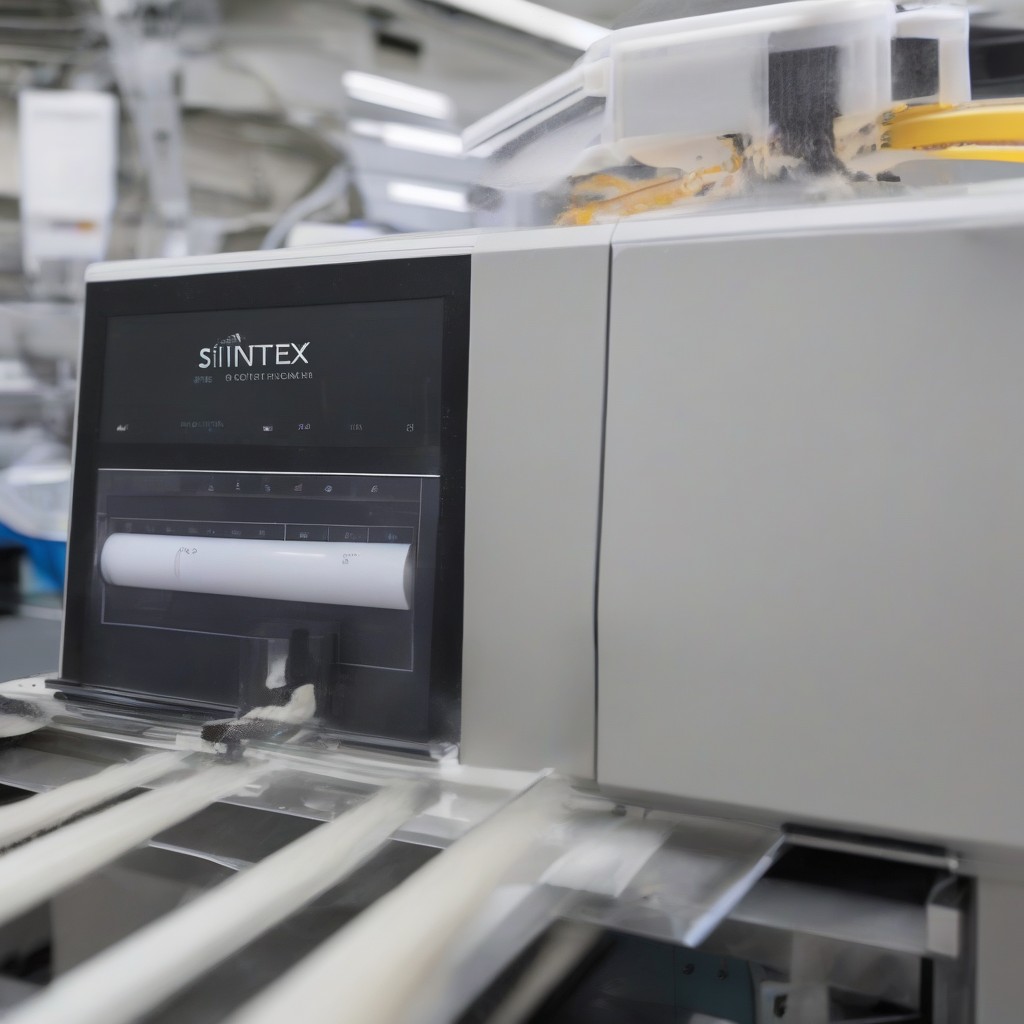
Autoabode's deployment data shows that universities which integrate an in-house rapid prototyping vertical, using our SinterX Pro SLS printer for end-use nylon parts, reduce external dependency by 40% and accelerate thesis project completion by an average of 8 weeks.
- DGCA-Compliant Training Fleet: 8-10 multirotor drones (e.g., 550mm quadcopter frames) with dual GPS, 30+ min flight time, and geofencing modules.
- Advanced R&D Platforms: 3-5 VTOL fixed-wing UAVs (2.5m wingspan) with 2-hour endurance, 5 kg payload capacity, and Pixhawk-based autopilots.
- Prototyping & Fabrication: Industrial FDM 3D printer (0.1mm layer resolution), benchtop CNC mill for metal parts, composite material workstation for carbon fiber layup.
- Sensor & Payload Library: RTK-GNS receiver (H-RMS: 1cm + 1ppm), 12-band multispectral camera, 32-line rotating LiDAR, long-wave infrared (LWIR) thermal camera with 640x512 resolution.
- Software & Simulation Suite: Annual licenses for CFD software (e.g., ANSYS), UAV flight simulators (e.g., X-Plane with plugin), GCS software (e.g., QGroundControl), and data processing tools (Pix4D, Agisoft).
Operational Costs and Sustainable Management
Recurring Expenses and Skill Development
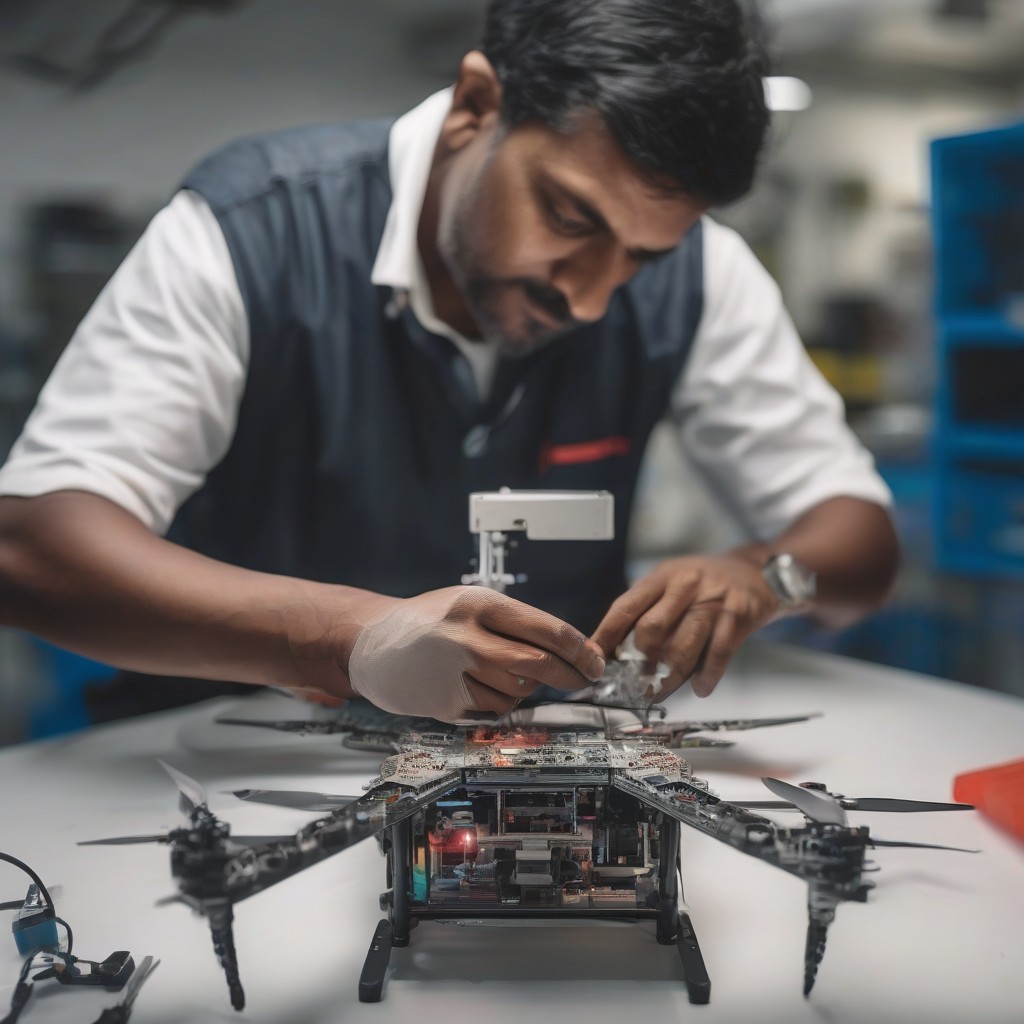
Beyond the initial investment, a successful drone lab requires meticulous planning for operational expenditure (OPEX). The largest recurring cost is consumables: lithium polymer (LiPo) batteries (6S, 22000mAh), propellers, 3D printing filaments (PLA, ABS, Nylon), and composite materials like carbon fiber weave and epoxy resins. For a lab with moderate activity, annual consumable costs can range between ₹8-12 Lakhs. Software licensing is another critical OPEX component, covering flight simulation packages, photogrammetry processing tools, and computer-aided design (CAD) software. Perhaps the most vital operational investment is in human capital. The lab must budget for DGCA-certified Remote Pilot Training for faculty and students, advanced workshops on sensor fusion, and potentially hiring a dedicated lab manager with expertise in UAV systems maintenance and DGCA documentation, a role that commands an annual salary of ₹10-15 Lakhs.
Sustainable management hinges on creating a revenue model that offsets OPEX. This can include offering certified drone pilot training courses to external candidates, which can generate ₹3-5 Lakhs per batch. The lab can also provide commercial drone surveying and mapping services to local municipalities or agricultural boards, utilizing its advanced sensor payloads. Furthermore, actively pursuing sponsored research projects from government bodies like ISRO or the Ministry of Agriculture underlines the lab's authority and brings in grant money. Establishing a clear protocol for equipment maintenance, including scheduled calibrations for sensors and load testing for airframes, is essential to prevent costly downtime. Clients including DRDO report that labs with a dedicated annual maintenance budget equal to 10% of the hardware CAPEX experience 90% higher equipment uptime.
The Indian Context and Autoabode's Integrated Solution
Setting up a drone lab in India is uniquely governed by the DGCA UAS Rules 2021, which mandate specific requirements for drone categories, pilot certification, and No-Permission-No-Takeoff (NPNT) compliance. A turnkey solution must be designed with these regulations as its backbone. Furthermore, the government's strong push under the 'Make in India' initiative and the Production Linked Incentive (PLI) Scheme for drones makes it financially and strategically prudent to source indigenous hardware and software. This is where Autoabode's integrated ecosystem provides a decisive advantage. We don't just supply equipment; we deliver a complete research environment. From our DGCA-compliant BotBit UAV platforms and our indigenously developed counter-drone systems for security research, to our SinterX Pro SLS printer for manufacturing high-strength, flight-ready components from advanced SLS materials, every element is designed to work together seamlessly.
Our turnkey package includes comprehensive faculty training, assistance in drafting the mandatory Standard Operating Procedures (SOPs) for DGCA compliance, and a roadmap for integrating the lab's output with national priorities. For instance, research on our UGV Interceptor platform can be coupled with drone swarms for coordinated ground-air autonomy studies, a key area for defence applications. By choosing an integrated partner like Autoabode, universities mitigate integration risks, ensure regulatory adherence, and tap into ongoing support for their rapid prototyping services and research projects. This holistic approach transforms a capital expenditure into a long-term strategic asset, positioning the university as a leader in the burgeoning Indian drone ecosystem.
Frequently Asked Questions
Q: What is the total cost to set up a drone lab in an Indian university?
A: The total turnkey setup cost for a functional, DGCA-compliant drone innovation lab at an Indian university in 2025 typically ranges from ₹1.2 Crore to ₹2.5 Crore for the capital expenditure (CAPEX). This variance depends on the research focus—a basic lab for aerial photography training will be at the lower end, while a lab focused on advanced R&D in swarm robotics, LiDAR mapping, or defence applications with integrated counter-drone systems will require higher investment. This CAPEX covers airframes (training multirotors, VTOL fixed-wing platforms), a prototyping workshop with 3D printers like the Duper XL, a full sensor suite, ground control stations, and safety infrastructure. Annual operational costs (OPEX) for consumables, software licenses, and maintenance add an additional 15-25% of the CAPEX. It's crucial to consult with an experienced provider like Autoabode for a detailed project-specific quotation.
Q: Which government approvals are needed for a university drone lab in India?
A: The primary regulatory body is the Directorate General of Civil Aviation (DGCA). The lab must operate under the UAS Rules 2021. Key approvals and requirements include: obtaining a unique Drone Acknowledgement Number (DAN) for each aircraft, ensuring all drones are NPNT (No Permission, No Takeoff) compliant via the Digital Sky platform, and securing a Remote Pilot Training Organization (RPTO) certification if offering formal pilot training courses. The lab's physical location may require a No-Objection Certificate (NOC) from local authorities, especially if operating in a controlled airspace. Furthermore, for research involving sensitive technologies or data, additional clearances from the Ministry of Defence or other relevant departments may be necessary. Autoabode's turnkey solution includes guidance and documentation support to navigate this entire approval process efficiently.
Q: What are the main components of a drone innovation lab?
A: A comprehensive drone innovation lab comprises five main technical components. First, the UAV Fleet: a mix of training, advanced, and customizable platforms like the BotBit series for different research verticals. Second, the Fabrication Hub: equipped with 3D printers (FDM and SLS like the SinterX Pro for end-use parts), CNC machines, and electronics workbenches for in-house prototyping. Third, the Payload & Sensor Library: including navigation (RTK-GPS), imaging (multispectral, thermal, LiDAR), and specialized research payloads. Fourth, the Ground Infrastructure: featuring a netted testing enclosure, ground control stations with telemetry links, and data processing servers. Fifth, the Software Ecosystem: encompassing flight simulation, CAD/CFD design tools, mission planning software, and data analytics platforms. Each component must be selected for interoperability and scalability to support long-term research goals.
Q: How can a university drone lab generate revenue or ROI?
A: A well-managed drone lab can generate a tangible return on investment through multiple channels. Direct revenue can come from offering DGCA-certified Remote Pilot Training courses to students and external professionals, which has high market demand. The lab can provide commercial drone services (e.g., topographic surveying, agricultural health assessment, infrastructure inspection) to local industries and government bodies, utilizing its advanced sensor payloads. A significant ROI is achieved through sponsored research grants from organizations like ISRO, DRDO, or the Ministry of Agriculture, which fund specific projects and elevate the institution's research profile. Furthermore, the lab drives indirect ROI by enhancing student employability—graduates with hands-on experience in UAV design and DGCA protocols are highly sought after—and by fostering industry partnerships and startup incubations, creating a sustainable innovation pipeline that aligns with national goals.
Establishing a turnkey drone innovation lab is a strategic investment that places an Indian university at the forefront of a technological revolution. It's more than a procurement exercise; it's about building a center of excellence that contributes to national security, agricultural productivity, and industrial growth. By partnering with an experienced, integrated provider that understands both the technology and the stringent Indian regulatory landscape, universities can ensure their lab is operational, compliant, and productive from day one. This initiative directly fuels the 'Make in India' vision, creating a skilled workforce ready to lead in the global UAV industry. Ready to blueprint your institution's future in aerospace innovation? Contact Autoabode's expert team today for a detailed consultation and a customized project plan tailored to your academic and research ambitions.
Frequently Asked Questions
The total turnkey setup cost for a functional, DGCA-compliant drone innovation lab at an Indian university in 2025 typically ranges from ₹1.2 Crore to ₹2.5 Crore for the capital expenditure (CAPEX). This variance depends on the research focus—a basic lab for aerial photography training will be at the lower end, while a lab focused on advanced R&D in swarm robotics, LiDAR mapping, or defence applications with integrated counter-drone systems will require higher investment. This CAPEX covers airframes (training multirotors, VTOL fixed-wing platforms), a prototyping workshop with 3D printers like the Duper XL, a full sensor suite, ground control stations, and safety infrastructure. Annual operational costs (OPEX) for consumables, software licenses, and maintenance add an additional 15-25% of the CAPEX. It's crucial to consult with an experienced provider like Autoabode for a detailed project-specific quotation.
Rohan Mehta
Head of Aerospace Systems, Autoabode · Autoabode Consumer Electronics Pvt. Ltd.
Expert author at Autoabode — writing at the intersection of industrial 3D printing, defence manufacturing, and advanced UAV systems. Based in New Delhi, India.
Explore Autoabode's Platforms
This article is part of Autoabode's technical journal. Learn more about our core platforms built in India for defence, aerospace, medical and industrial teams:
More from the Journal
Off-Grid Communication Solutions for Mountainous Terrain: An Engineering Field Guide for India's High-Altitude Operators
Off-grid communication solutions for mountainous terrain are not optional in India — they are the difference between a coordinated operation and a stranded section. This engineering field guide breaks down the radio physics that defeats conventional VHF/UHF in the Himalayas, the mesh architectures that survive ridge-line shadowing, and the cold-weather, power-budget and security trade-offs that determine whether a system delivers in the Karakoram and Western Ghats. Built around real deployment data from Autoabode's MeshVani encrypted communicator and MeshVani Relay platform in service with the Indian Army, ITBP, NDRF and high-altitude expedition teams.
Drones & UAV · 7 min readModular UAV Payloads for Multi-Role Missions: A Technical Guide
Explore the technical specifications and strategic advantages of modular UAV payloads for multi-role missions. This guide covers hot-swap systems, sensor fusion, and real-world applications for defense and industry.