
Turnkey Drone Innovation Lab Setup Cost for Indian University 2025
Arjun Mehta
Head of Aerospace Systems, Autoabode · Autoabode
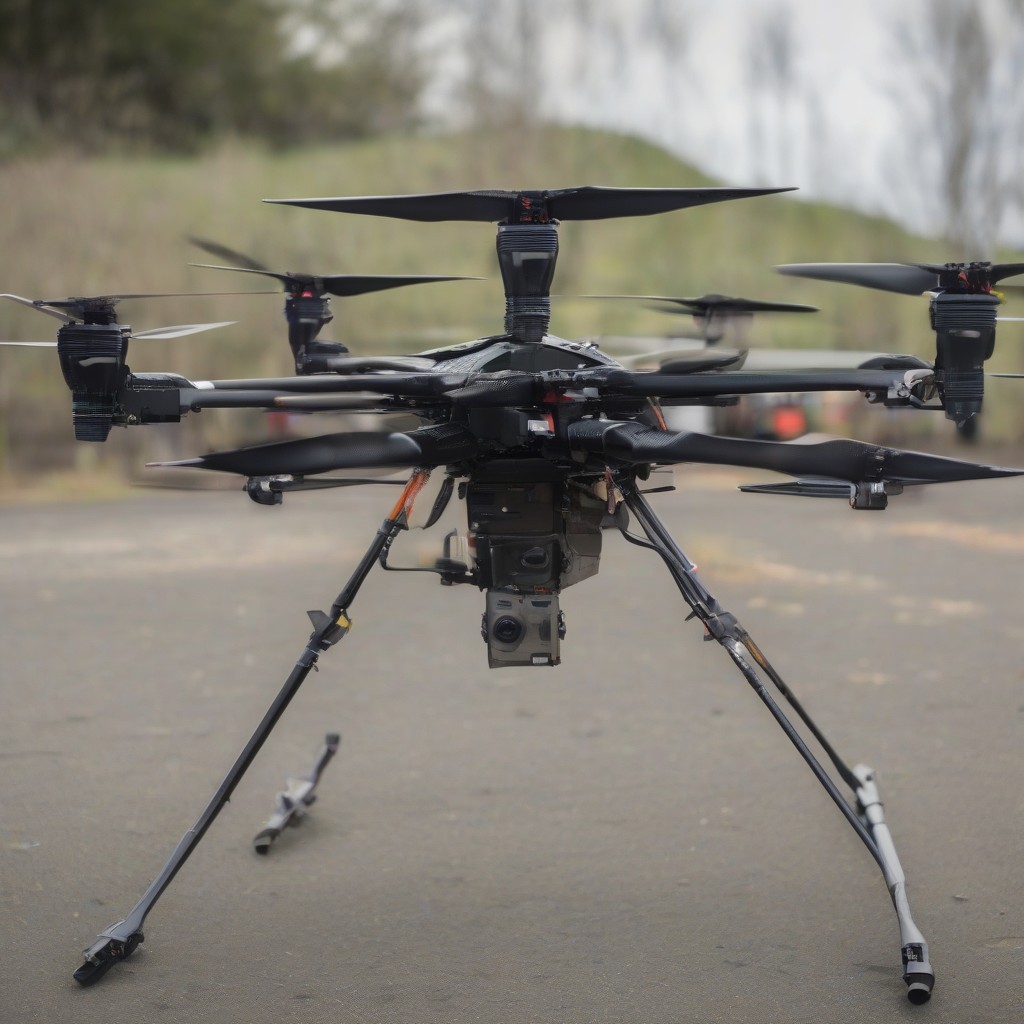
For Indian universities aiming to lead in aerospace education and research, establishing a turnkey drone innovation lab is a critical strategic investment for 2025 and beyond. The primary challenge is not just the initial capital expenditure but accurately forecasting the total cost of ownership for a facility that is both DGCA-compliant and research-ready. Based on Autoabode's experience setting up labs for IIT collaborations and defence partners, a fully operational turnkey drone innovation lab for a mid-sized Indian university requires a strategic budget allocation between ₹1.2 Crore and ₹2.5 Crore. This investment unlocks advanced R&D in areas like swarm robotics, BVLOS operations, and payload development, directly feeding into national initiatives like the PLI Scheme for drones and the Make in India campaign. This guide breaks down the 2025 cost structure, moving beyond simple hardware lists to include essential software, safety infrastructure, and the critical compliance framework mandated by India's DGCA UAS Rules 2021.
Core Hardware & Airframe Investment Breakdown
Building a Multi-Tier UAV Fleet for R&D
The foundation of any turnkey drone innovation lab is a diversified fleet capable of supporting everything from beginner pilot training to postgraduate thesis work in advanced aerodynamics. A common mistake is procuring only consumer-grade drones, which lack the programmability and durability for serious research. Our engineers at Autoabode recommend a three-tier approach. The first tier consists of 10-15 training-grade, DGCA-compliant nano and micro drones for basic flight mechanics and safety protocol education. The second, and most critical, tier is the research platform: 5-7 modular, open-source airframes like our BotBit UAV series, which support payload swaps, custom avionics integration, and software-defined radio for communication studies. The third tier is for specialized applications: 2-3 heavy-lift platforms (5-15 kg payload capacity) for sensor testing and 1-2 VTOL fixed-wing hybrids for endurance and mapping projects, essential for civil engineering and agriculture research.
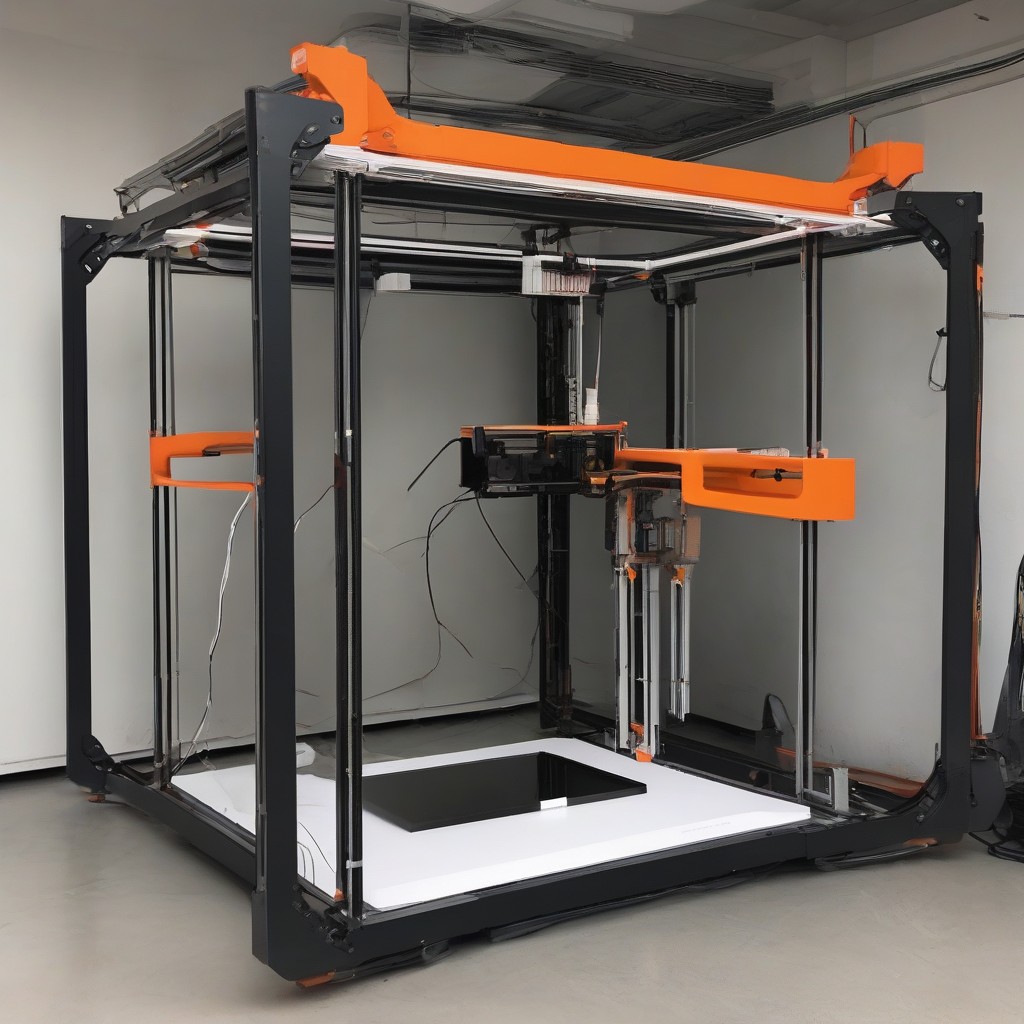
Beyond the airframes themselves, the supporting hardware ecosystem often constitutes 40% of the lab's capital cost. This includes a minimum of 15 high-spec engineering workstations (Intel i7/Ryzen 7, 32GB RAM, dedicated GPU) for simulation, CAD (like CATIA or Fusion 360), and real-time data processing. A dedicated ground control station (GCS) with dual-monitor setup and telemetry radios is non-negotiable for flight testing. Furthermore, a well-equipped workshop needs professional-grade tools: a spectrum analyzer for RF testing, vibration test benches for payload durability, a climate chamber for environmental testing (-10°C to 50°C), and precision soldering stations. For in-house prototyping of custom parts and fixtures, integrating a Duper XL FDM series 3D printer with a 300x300x400 mm build volume is highly recommended, allowing for rapid iteration of aerodynamic components and sensor housings directly on campus.
Autoabode's lab audit for a premier engineering college revealed that allocating 25% of the hardware budget to diagnostic and testing equipment reduced prototype failure rates by over 60% during critical flight trials.
- Modular Research UAVs (5-7 units): Platforms like the BotBit V2, featuring Pixhawk 6-based flight controllers, SDK for custom algorithm deployment, and payload capacity of 1.5 kg. Cost: ₹8-15 Lakhs per unit.
- DGCA-Compliant Training Fleet (10-15 units): Sub-250 gram and sub-2 kg nano/micro drones with propeller guards and beginner modes. Cost: ₹50,000 - ₹2 Lakhs per unit.
- Specialized Airframes (3-5 units): Includes 1x Heavy-lift hexacopter (15 kg payload), 1x VTOL Fixed-wing for 90 min endurance, 1x Racing FPV drone for dynamics research. Cost: ₹5-25 Lakhs per unit.
- Ground Support & Testing Hardware: 2x Professional Ground Control Stations, 1x Vibration Test Bench (up to 5 kg), 1x Walk-in Climate Chamber, RF Telemetry Kits (900 MHz & 2.4 GHz).
- Computational & Workshop Infrastructure: 15x Engineering Workstations, 1x Local Server for data logging, CNC Mill for lightweight metal parts, and FDM/Resin 3D Printers for [rapid prototyping services](/rapid-prototyping).
Software, Safety, and Recurring Operational Costs
The Hidden Pillars of a Sustainable Lab
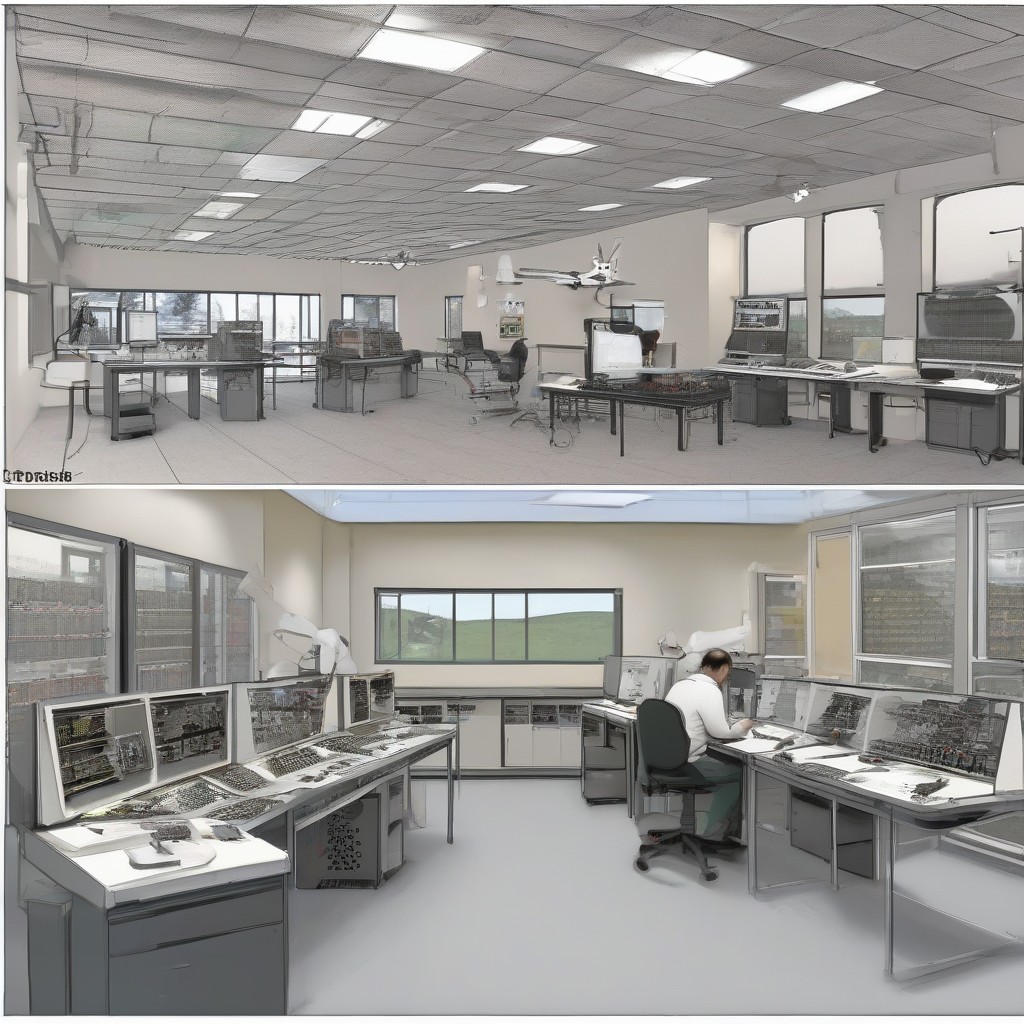
While hardware is visible, the software stack and safety protocols form the operational backbone of a turnkey drone innovation lab. A robust software environment requires licensed simulation tools. An annual campus-wide license for MATLAB & Simulink with Aerospace and Robotics toolboxes is essential for control system design and HIL (Hardware-in-the-Loop) simulation, costing approximately ₹8-10 Lakhs. Similarly, a site license for ANSYS Fluent or OpenFOAM for CFD analysis of custom drone designs is crucial for aerodynamics research. For flight operations and data management, software like UgCS or Mission Planner for advanced mission planning and Pix4D or Agisoft Metashape for photogrammetry processing represent significant recurring costs. Clients including DRDO report that investing in a centralized drone data management platform from day one improves research reproducibility and compliance auditing significantly.
Safety and compliance are non-negotiable cost centers with legal implications. The lab must budget for DGCA-mandated infrastructure: a secured storage locker (Class 1) for batteries and airframes, a dedicated, netted flying cage (minimum 15m x 10m x 5m) for initial testing, and personal protective equipment (PPE) for all users. Furthermore, budgeting for annual DGCA Remote Pilot Training and certification for 4-6 faculty/staff members is essential, costing ~₹1.2 Lakhs per person. Insurance is a major recurring cost: a comprehensive liability insurance policy covering all lab assets and operations for ₹5 Crore can cost ₹3-5 Lakhs annually. Operational costs also include consumables like LiPo batteries (which have a 300-cycle lifespan), propellers, carbon fiber sheets, and filaments for the 3D printer, which can add up to ₹4-6 Lakhs per year for an active lab.
The Indian Context and Autoabode's Integrated Solution
Setting up a drone lab in India is uniquely governed by the DGCA UAS Rules 2021 and aligned with national priorities like the ₹120 Crore PLI Scheme for drones and the Defence Acquisition Procedure (DAP) 2020, which emphasizes indigenous technology. A turnkey lab must be designed not just for academic projects but to contribute to these national goals, fostering innovation that can transition from university labs to Indian industry and defence. For instance, research on swarm coordination directly feeds into counter-drone system development, a key focus for agencies like the Indian Army. Similarly, work on ruggedized UGV Interceptor platforms for ground-air synergy is a growing research domain. Autoabode's approach is to provide an integrated lab solution that addresses this ecosystem. We go beyond supplying hardware like the BotBit UAV series to include comprehensive lab design, DGCA documentation support, and curriculum modules aligned with AICTE guidelines.
Our turnkey package is designed for 'Make in India' from the ground up. It includes establishing a local manufacturing cell using our SinterX Pro SLS printer for producing high-strength, end-use drone components from advanced SLS materials like PA12-GF, reducing dependency on imported parts. We facilitate connections with the DRDO's Centre for Airborne Systems (CABS) and the Indian Army's Design Bureau for live problem statements, giving students exposure to real-world challenges. Furthermore, we help structure the lab to become a DGCA-recognized Remote Pilot Training Organization (RPTO), creating a revenue stream and enhancing its credibility. From initial site planning for the netted cage to final commissioning and faculty training, Autoabode ensures the lab is a future-ready asset. To explore a customized plan and quote for your institution, visit our dedicated contact Autoabode page to start a conversation with our academic solutions team.
Frequently Asked Questions
Q: What is the total cost to set up a drone lab in an Indian engineering college?
A: The total turnkey cost for a functional drone innovation lab in an Indian engineering college for 2025 typically ranges from ₹1.2 Crore to ₹2.5 Crore. This estimate includes a multi-tier UAV fleet (training, research, and specialized drones), all necessary ground control stations, diagnostic and testing equipment (like vibration benches and climate chambers), a full software suite (for simulation, CAD, and data processing), DGCA-compliant safety infrastructure (secured storage, netted cage), and the first year's operational costs (insurance, pilot training, consumables). The variance depends on the scale of research focus—for example, a lab focusing on advanced composite airframe development may need a higher budget for rapid prototyping equipment like industrial SLS 3D printers.
Q: What permissions are needed from DGCA for a university drone lab?
A: A university drone lab requires systematic DGCA compliance. First, the lab itself should be established as a defined entity, often requiring a No-Objection Certificate (NOC) from the local administration. Second, all flight instructors and key operating faculty must obtain a Remote Pilot Certificate (RPC) from a DGCA-approved training organization. For conducting flight tests beyond the indoor netted cage, the university must apply for a Unique Identification Number (UIN) for each drone and obtain specific area permissions via the Digital Sky Platform for each outdoor sortie. If the goal is to also become a training center, applying for Remote Pilot Training Organization (RPTO) approval is a longer process involving infrastructure and curriculum audits. Autoabode's lab setup service includes guidance and template documentation for navigating this entire process.
Q: Which drone models are best for university research and development?
A: The best drone models for university R&D are modular, open-source, and capable of carrying custom payloads. Platforms based on the Pixhawk autopilot ecosystem, such as the Autoabode BotBit series, are ideal because they allow researchers to modify firmware, implement custom control algorithms, and integrate sensors like LiDAR, multispectral cameras, or gas detectors. For structural and materials research, a heavy-lift drone (5-15 kg payload) is necessary to test components. For algorithm development in swarm robotics, multiple identical, programmable nano-drones are required. A versatile lab should also have a VTOL (Vertical Take-Off and Landing) fixed-wing drone for endurance testing, crucial for applications in surveying and monitoring. The key is avoiding closed, proprietary systems that limit research scope.
Q: How can a drone lab generate revenue for the university?
A: A well-established drone lab can generate revenue through multiple channels. Firstly, by becoming a DGCA-approved Remote Pilot Training Organization (RPTO), it can offer certified pilot training courses to students, professionals, and government staff. Secondly, it can offer contract rapid prototyping services and testing services to local industries and MSMEs in sectors like agriculture, infrastructure, and logistics. Thirdly, the lab can undertake sponsored research projects from government bodies (like SERB, MeitY) and corporate R&D divisions. Finally, developing and licensing intellectual property (IP)—such as a novel swarm algorithm or a lightweight sensor mount designed on the lab's SinterX Pro SLS printer—can create long-term royalty streams. This aligns the lab with the 'self-reliant' goals of the Indian education system.
Establishing a turnkey drone innovation lab is more than a procurement exercise; it is about building a center of excellence that bridges academic theory and India's strategic technological needs. With the right partnership and a clear understanding of the 2025 cost landscape, Indian universities can create facilities that not only produce skilled engineers but also drive indigenous innovation in a sector critical to national security and economic growth. By integrating hardware, software, and compliance from the start, these labs become engines for the Atmanirbhar Bharat vision. Ready to build your institution's future in aerospace? Connect with Autoabode's academic solutions team for a detailed consultation and lab blueprint tailored to your specific research goals and budget.
Frequently Asked Questions
The total turnkey cost for a functional drone innovation lab in an Indian engineering college for 2025 typically ranges from ₹1.2 Crore to ₹2.5 Crore. This estimate includes a multi-tier UAV fleet (training, research, and specialized drones), all necessary ground control stations, diagnostic and testing equipment (like vibration benches and climate chambers), a full software suite (for simulation, CAD, and data processing), DGCA-compliant safety infrastructure (secured storage, netted cage), and the first year's operational costs (insurance, pilot training, consumables). The variance depends on the scale of research focus—for example, a lab focusing on advanced composite airframe development may need a higher budget for rapid prototyping equipment like industrial SLS 3D printers.
Arjun Mehta
Head of Aerospace Systems, Autoabode · Autoabode Consumer Electronics Pvt. Ltd.
Expert author at Autoabode — writing at the intersection of industrial 3D printing, defence manufacturing, and advanced UAV systems. Based in New Delhi, India.
Explore Autoabode's Platforms
This article is part of Autoabode's technical journal. Learn more about our core platforms built in India for defence, aerospace, medical and industrial teams:
More from the Journal
Off-Grid Communication Solutions for Mountainous Terrain: An Engineering Field Guide for India's High-Altitude Operators
Off-grid communication solutions for mountainous terrain are not optional in India — they are the difference between a coordinated operation and a stranded section. This engineering field guide breaks down the radio physics that defeats conventional VHF/UHF in the Himalayas, the mesh architectures that survive ridge-line shadowing, and the cold-weather, power-budget and security trade-offs that determine whether a system delivers in the Karakoram and Western Ghats. Built around real deployment data from Autoabode's MeshVani encrypted communicator and MeshVani Relay platform in service with the Indian Army, ITBP, NDRF and high-altitude expedition teams.
Drones & UAV · 7 min readModular UAV Payloads for Multi-Role Missions: A Technical Guide
Explore the technical specifications and strategic advantages of modular UAV payloads for multi-role missions. This guide covers hot-swap systems, sensor fusion, and real-world applications for defense and industry.