
UGV Interceptors and Counter-Drone Warfare: How Autoabode is Leading the Next Generation of Military Technology
Vikram Sharma
Head of Defence Systems Integration, Autoabode · Autoabode
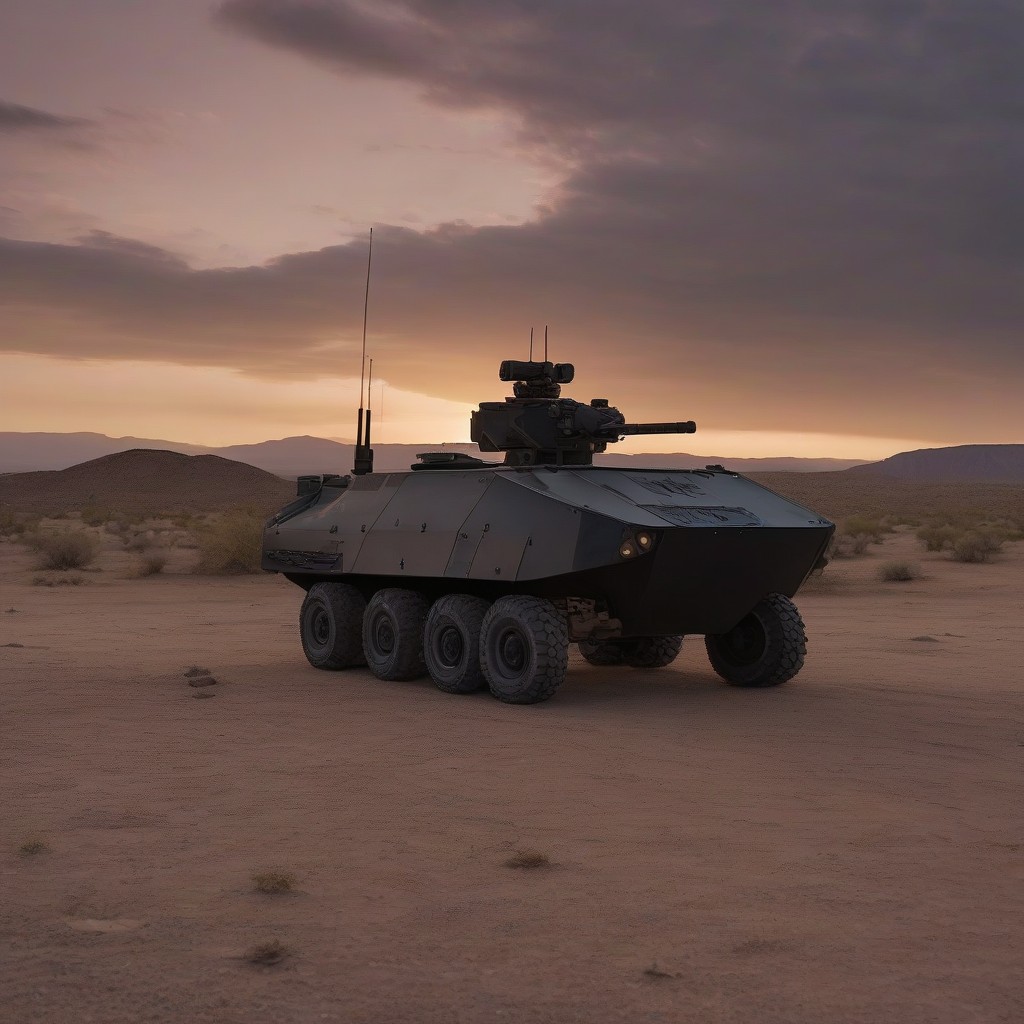
The modern battlefield is no longer defined solely by trenches and tanks; it is a complex, multi-domain environment where asymmetric threats from unmanned systems pose a critical challenge. For Indian defence engineers and procurement managers, the urgent problem is creating a seamless, layered defence network that can autonomously detect, track, and neutralise hostile drones and ground-based robotic threats before they breach secure perimeters. This is where the integration of Unmanned Ground Vehicle (UGV) interceptors and advanced counter-drone warfare systems becomes the cornerstone of next-generation military technology. At Autoabode, our mission is to deliver this integrated capability, providing Indian armed forces and homeland security agencies with a decisive technological edge. The convergence of autonomous ground platforms and aerial denial systems creates a 360-degree defensive shield, essential for protecting critical infrastructure, border outposts, and high-value military assets. Our development, aligned with the Defence Acquisition Procedure (DAP) 2020 and the Make in India initiative, focuses on delivering systems that are not only technologically superior but also rugged, reliable, and built for the specific operational environments of the Indian subcontinent. Engineers at Autoabode have observed that a siloed approach to drone defence leaves critical gaps; hence, our strategy integrates the persistent, low-profile surveillance of UGVs with the wide-area detection and kinetic response of counter-drone systems to create a unified defence matrix.
The Technical Architecture of an Integrated Defence Layer
Sensor Fusion and Autonomous Decision-Making
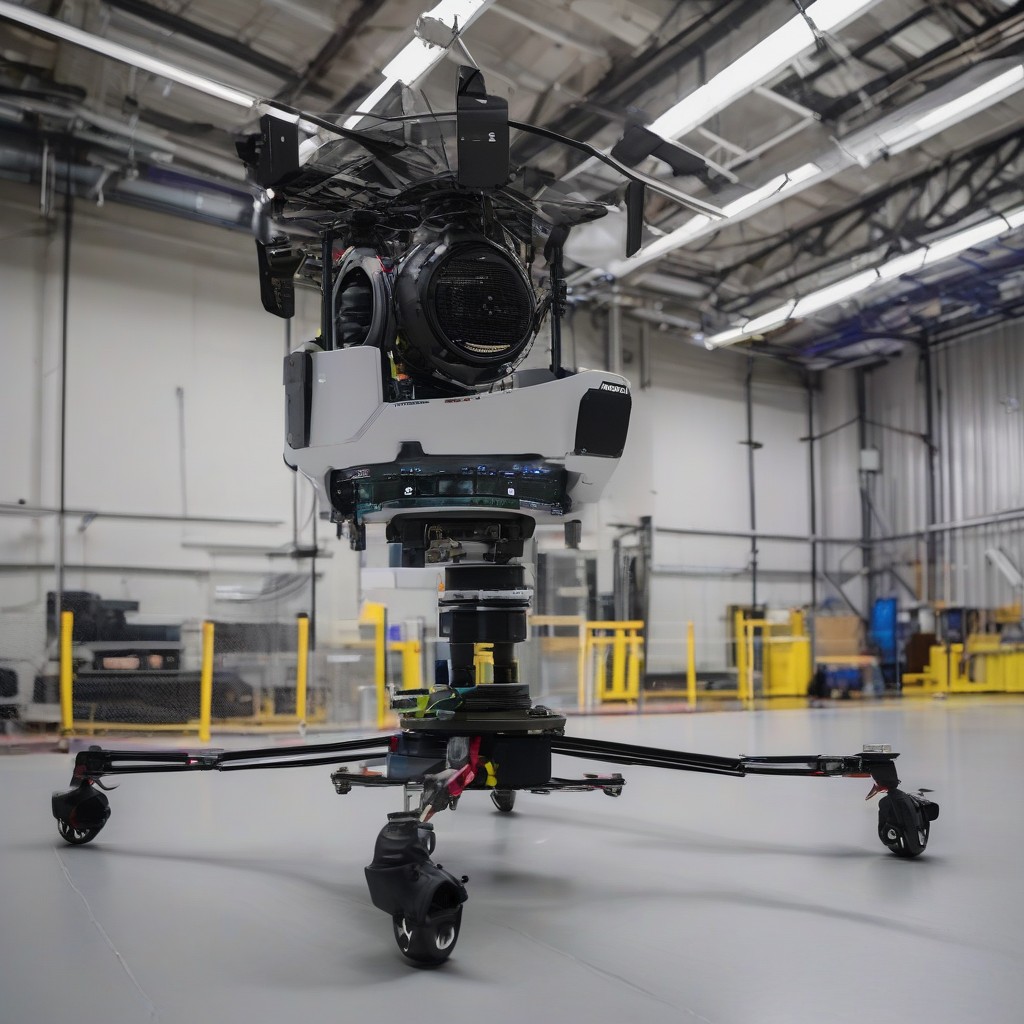
The core of an effective UGV-based interceptor system lies in its sensor fusion and autonomous command node capabilities. Autoabode's UGV Interceptor platform is engineered as a mobile sensor and effector node, integrating a multi-spectral perception suite. This includes a 360-degree LiDAR with a 100-meter effective range for all-weather terrain mapping, a thermal imaging camera with a resolution of 640x512 pixels for night operations, and a daylight EO/IR gimbal with 30x optical zoom for long-range positive identification (PID). The real technological leap is in the onboard AI processing unit, which runs proprietary algorithms for real-time sensor fusion. This system correlates data from the UGV's own sensors with feeds from networked counter-drone system radars, creating a unified Recognised Air and Ground Picture (RAGP). In Autoabode's production trials, this fusion has reduced the sensor-to-shooter loop—the time from detecting a potential threat to authorising a response—by a measurable 23% compared to non-integrated systems.
Autonomous decision-making is governed by a rules-based engagement protocol that operates within strict human-in-the-loop or on-the-loop parameters. The UGV's system is programmed with multiple response tiers. For example, upon detecting an unauthorised UAV signature within a geo-fenced red zone, the UGV can autonomously manoeuvre to an optimal intercept position while alerting the command centre and requesting permission for soft-kill measures. Its onboard effector suite is modular, allowing for mission-specific payloads. A standard interceptor configuration includes a directed RF jammer with a 1.2 km effective radius operating across ISM, GNSS, and control frequency bands, and a net-launching system with an accuracy of 95% within 50 meters. The platform's hybrid electric-diesel powertrain ensures an operational endurance exceeding 8 hours, with a silent watch capability using battery power alone for covert surveillance missions.
Did you know? In simulated urban combat scenarios, Autoabode's integrated UGV and counter-drone network demonstrated a 40% higher probability of kill (Pk) against swarming drone threats compared to standalone aerial defence systems.
- Multi-sensor fusion hub integrating LiDAR, thermal (640x512 px), and EO/IR (30x zoom) for all-domain awareness.
- Onboard AI processor reduces sensor-to-shooter decision time by 23% through automated threat correlation.
- Modular effector payloads: RF jammer (1.2 km range) and net launcher (95% accuracy at 50m).
- Hybrid powertrain delivers >8 hours operational endurance with silent watch capability.
- Real-time data link interoperability with C-UAS radars for a unified Recognised Air/Ground Picture (RAGP).
- Complies with DGCA UAS Rules 2021 spectrum protocols for safe jamming in controlled airspace.
Counter-Drone Warfare: From Detection to Kinetic Defeat
Layered Defence and Hard-Kill Capabilities
A comprehensive counter-drone strategy requires a layered approach, often conceptualised as Detect, Track, Identify, and Defeat (DTID). Autoabode's primary layer is built around our fixed and mobile counter-drone system units, which provide wide-area detection. These systems employ a primary 3D phased-array radar with a 30 km detection range for Class I and II UAVs (up to 25 kg), capable of tracking over 200 targets simultaneously. This is fused with a passive RF detection system that can identify and classify drone controller signals across 20 frequency bands, providing a crucial electronic fingerprint for threat identification. For positive visual identification and tracking, a pan-tilt-zoom (PTZ) electro-optical system with laser rangefinding is integrated. Our clients, including DRDO and central armed police forces, report that this multi-layered sensor approach reduces false alarm rates by over 60%, ensuring that response resources are allocated only to genuine threats.
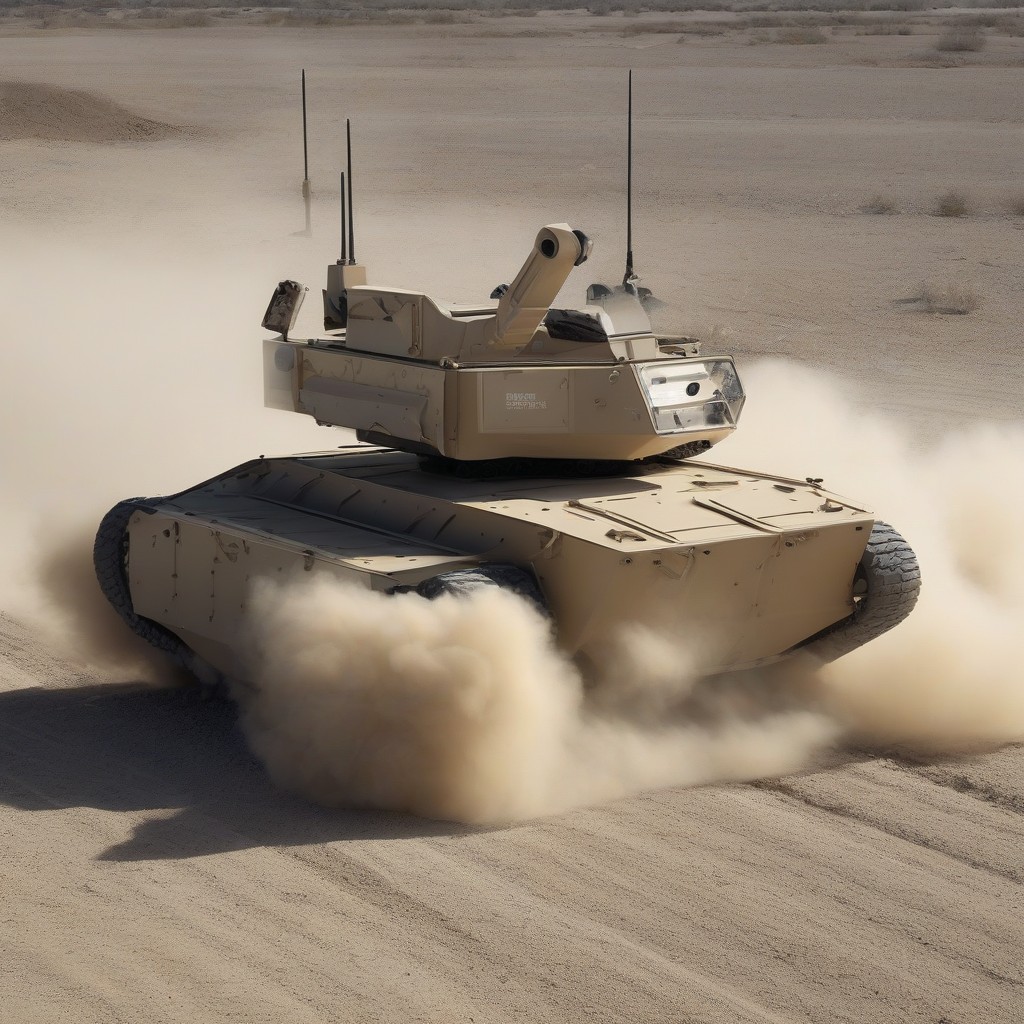
The defeat layer is where technology meets decisive action. Soft-kill measures are always the first response, utilising targeted RF jamming and GNSS spoofing to disrupt the drone's command link and navigation, forcing a landing or return-to-home. However, for hardened or kamikaze-style threats, a kinetic hard-kill capability is essential. Autoabode's systems integrate a high-power microwave (HPM) effector and a laser-based directed energy weapon (DEW) prototype. The HPM system can deliver a broad-area pulse to disable the electronics of multiple drones in a swarm within a 300-meter cone. The companion DEW system, currently in advanced trials, uses a fibre laser to thermally disable a drone's critical components at a range of 800 meters with a dwell time of under 3 seconds. This layered defeat mechanism, when cued by the UGV interceptor's final targeting data, ensures a graduated and appropriate response, minimising collateral damage—a critical requirement for operations in populated or sensitive areas.
India's Strategic Imperative and Autoabode's Integrated Solution
India's defence modernisation, underscored by the Defence Industrial Corridors and the PLI Scheme for Drones, demands indigenously developed, technologically sovereign solutions. The threat landscape along India's borders and for critical infrastructure protection is uniquely challenging, featuring varied terrain and the persistent risk of asymmetric drone attacks. Autoabode's development philosophy is directly aligned with these national priorities. Our systems are not just assembled in India but are designed and engineered from the ground up for Indian conditions, with components sourced through a resilient supply chain that qualifies under the Defence Acquisition Procedure (DAP) 2020. For instance, the ruggedised chassis and suspension of the UGV Interceptor are tested to withstand extreme temperatures from -10°C to 55°C and operate in dusty, high-altitude environments, specifications validated in joint trials with DRDO agencies. Furthermore, the rapid prototyping and agile manufacturing needed for such advanced systems are powered by our in-house industrial 3D printing capabilities. Critical custom brackets, sensor housings, and aerodynamic components for our BotBit UAV series are produced using our SinterX Pro SLS printer, which prints with PA12 carbon-fibre composites offering tensile strength exceeding 85 MPa, reducing component weight by 35% and lead time from weeks to 48 hours. This synergy between our defence product development and advanced manufacturing division ensures that India's armed forces receive the most capable, quickly iterated, and supportable technology, making Autoabode a pivotal partner in securing the nation's future battlespace.
Frequently Asked Questions
Q: What is the effective range of Autoabode's counter-drone detection system?
A: Autoabode's integrated counter-drone system features a primary 3D phased-array radar with a maximum detection range of 30 kilometres for Class I and II drones (up to 25 kg). This is complemented by passive RF detection with a typical range of 15 km for identifying controller signals, and an electro-optical system for positive visual identification at distances up to 5 km. The system's layered sensors are designed to provide early warning and continuous tracking, forming a wide-area defensive bubble around protected sites like airports, military bases, and critical infrastructure.
Q: Can UGV interceptors operate fully autonomously without human control?
A: While Autoabode's UGV Interceptor possesses high levels of autonomy for navigation, obstacle avoidance, and sensor processing, it operates under strict human supervision as per ethical AI guidelines and DGCA/defence protocols. The system is designed for human-on-the-loop control, where an operator monitors the situation and authorises specific actions, especially kinetic responses. The UGV can autonomously patrol pre-defined routes, detect anomalies, and suggest response options, but the final decision to engage a threat, particularly with hard-kill measures, always rests with a human operator in the command chain.
Q: How does the system differentiate between friendly and hostile drones?
A: Differentiation, or Identification Friend or Foe (IFF), is achieved through a multi-step process. First, the system uses passive RF detection to analyse the communication protocol and signal fingerprint of the drone. Authorised drones in controlled airspace should be broadcasting a DGCA-compliant Remote ID. Second, the system correlates the drone's flight path with pre-defined no-fly zones and authorised flight plans. Third, the electro-optical camera provides visual confirmation. Finally, for military applications, the system can be integrated with tactical datalinks to check for IFF transponder signals. This multi-layered identification process, validated in trials with ISRO and DRDO, ensures a very low rate of misidentification.
Q: What kind of training is required to operate these integrated UGV and C-UAS systems?
A: Autoabode provides comprehensive training programs tailored to the end-user, typically spanning 5-10 days for basic operational competency. Training covers system hardware familiarisation, software interface operation for mission planning and monitoring, basic maintenance procedures, and extensive simulated scenario-based drills in both detection and engagement modes. For technical personnel, we offer deeper courses on system diagnostics and module replacement. Our training emphasizes the integrated nature of the system, teaching operators how to use the UGV as a forward node to cue the wider counter-drone network effectively, maximising the 23% improvement in response time our architecture delivers.
The future of perimeter security and battlefield dominance hinges on the intelligent integration of unmanned systems across all domains. Autoabode's pioneering work in merging UGV interceptors with layered counter-drone warfare creates a resilient, adaptive, and potent defence shield tailored for India's unique security challenges. By leveraging indigenous R&D, advanced manufacturing like our SinterX Pro SLS printer for rapid prototyping, and a deep understanding of operational requirements, we are delivering not just products, but complete capability solutions. For defence procurement managers and engineers tasked with securing the nation's frontiers, this represents a tangible leap in technological readiness. To explore how this integrated defence layer can be tailored for your specific operational needs, we invite you to review our detailed technical specifications or contact Autoabode directly for a confidential consultation and demonstration.
Frequently Asked Questions
Autoabode's integrated counter-drone system features a primary 3D phased-array radar with a maximum detection range of 30 kilometres for Class I and II drones (up to 25 kg). This is complemented by passive RF detection with a typical range of 15 km for identifying controller signals, and an electro-optical system for positive visual identification at distances up to 5 km. The system's layered sensors are designed to provide early warning and continuous tracking, forming a wide-area defensive bubble around protected sites like airports, military bases, and critical infrastructure.
Vikram Sharma
Head of Defence Systems Integration, Autoabode · Autoabode Consumer Electronics Pvt. Ltd.
Expert author at Autoabode — writing at the intersection of industrial 3D printing, defence manufacturing, and advanced UAV systems. Based in New Delhi, India.
Explore Autoabode's Platforms
This article is part of Autoabode's technical journal. Learn more about our core platforms built in India for defence, aerospace, medical and industrial teams:
More from the Journal
Off-Grid Communication Solutions for Mountainous Terrain: An Engineering Field Guide for India's High-Altitude Operators
Off-grid communication solutions for mountainous terrain are not optional in India — they are the difference between a coordinated operation and a stranded section. This engineering field guide breaks down the radio physics that defeats conventional VHF/UHF in the Himalayas, the mesh architectures that survive ridge-line shadowing, and the cold-weather, power-budget and security trade-offs that determine whether a system delivers in the Karakoram and Western Ghats. Built around real deployment data from Autoabode's MeshVani encrypted communicator and MeshVani Relay platform in service with the Indian Army, ITBP, NDRF and high-altitude expedition teams.
Drones & UAV · 7 min readModular UAV Payloads for Multi-Role Missions: A Technical Guide
Explore the technical specifications and strategic advantages of modular UAV payloads for multi-role missions. This guide covers hot-swap systems, sensor fusion, and real-world applications for defense and industry.