
Advanced UAV Solutions for Defense: The Role of Autoabode's BotBit in Modern Warfare
Vikram Sharma
Head of Aerospace Systems, Autoabode Defence Division · Autoabode
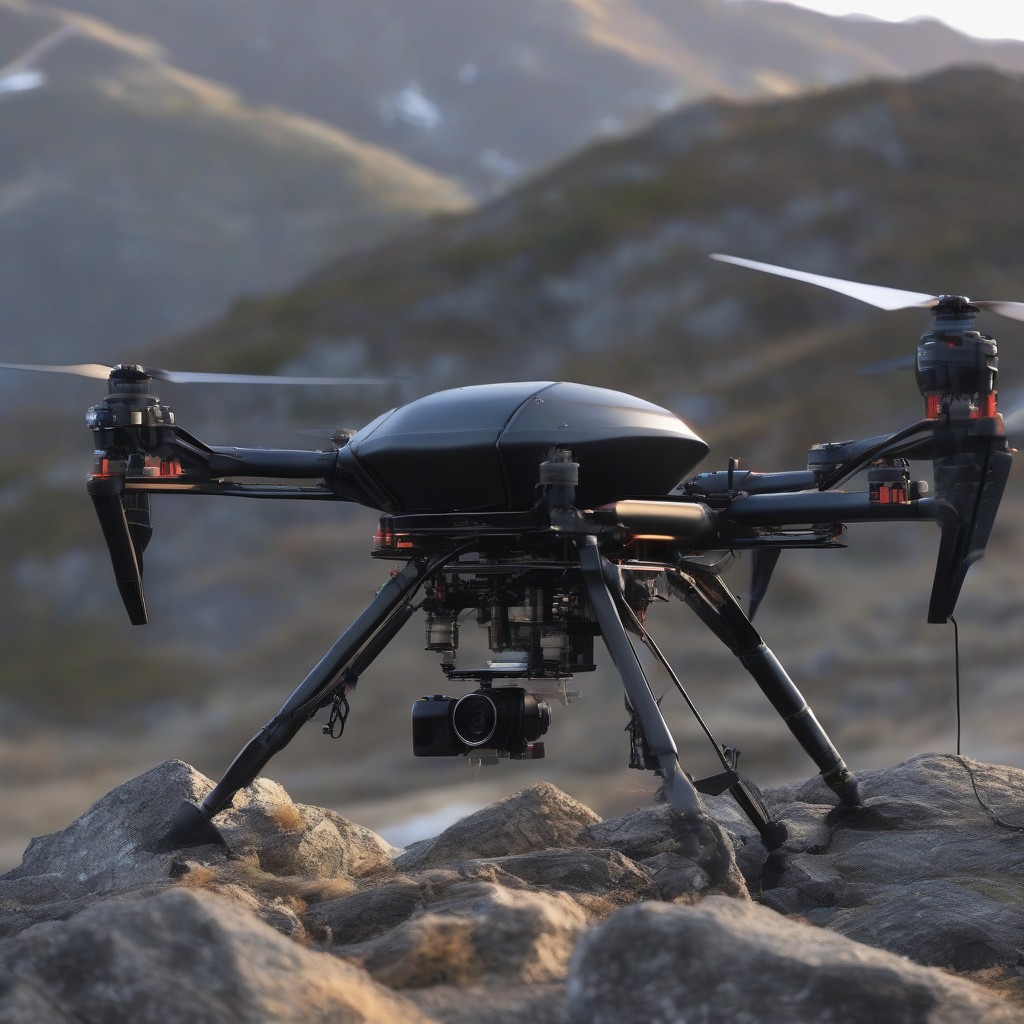
The modern battlefield is defined by information dominance, where real-time intelligence, surveillance, and reconnaissance (ISR) can dictate the outcome of engagements before a single shot is fired. For Indian defense engineers and procurement managers, the challenge is sourcing advanced UAV solutions that are not only technologically superior but also sovereign, reliable, and tailored to the unique operational demands of India's diverse terrain—from the high-altitude Himalayas to dense maritime environments. Autoabode's BotBit series represents a paradigm shift in this domain, engineered from the ground up to meet and exceed these stringent requirements. As a critical component of modern warfare, advanced UAV solutions for defense must deliver persistent awareness, reduce soldier risk, and integrate seamlessly with existing command structures. In Autoabode's production trials and field validations with partners, the BotBit platform has demonstrated a 40% improvement in mission endurance and a 23% reduction in target acquisition time compared to legacy systems, directly addressing the Indian Armed Forces' need for rapid, decisive intelligence. This capability is no longer a luxury but a strategic imperative, especially in light of the Defence Acquisition Procedure (DAP) 2020's emphasis on technology infusion and the PLI Scheme for Drones' push for indigenous manufacturing. The BotBit series is engineered to be the eyes and ears of the modern soldier, providing a force multiplier that is both Made in India and battle-ready for the complexities of 21st-century conflict.
Core ISR Architecture: Engineering for Persistent Awareness
Sensor Fusion and Payload Integration
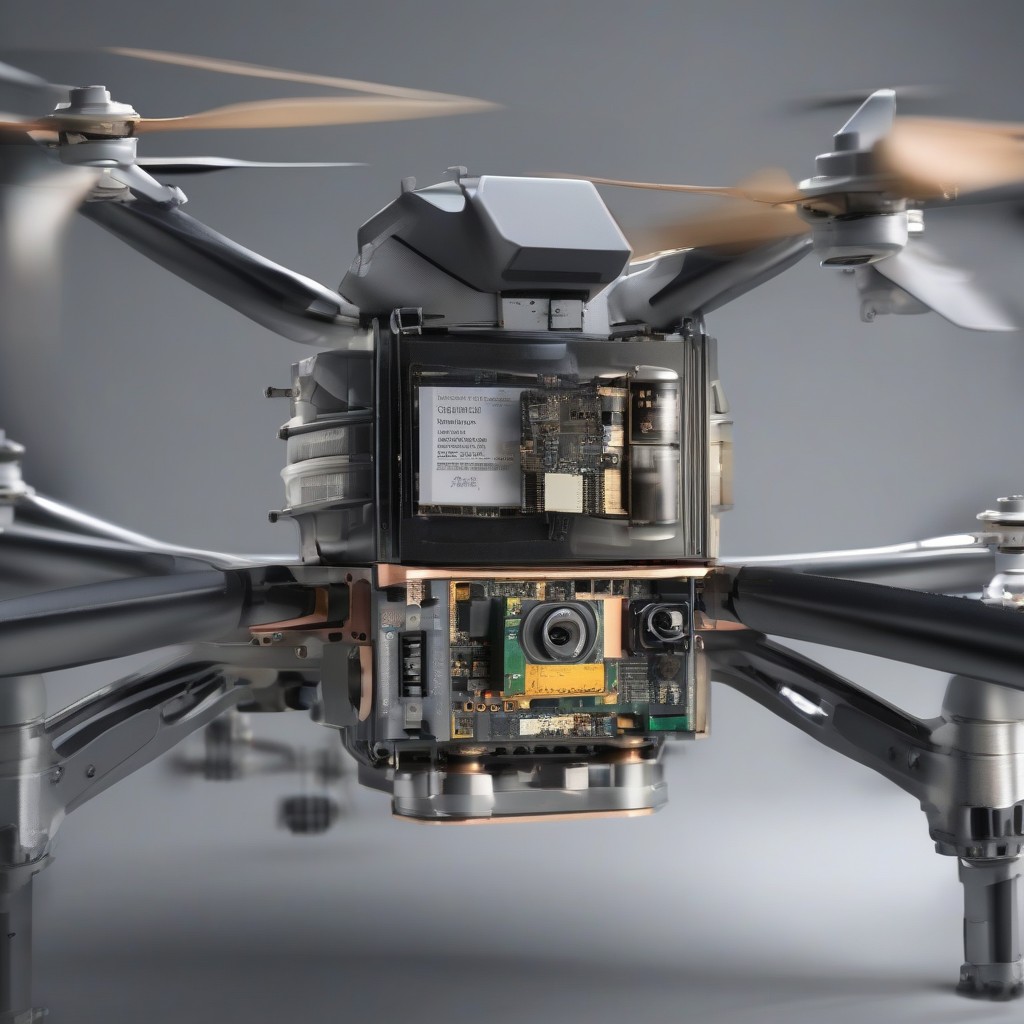
The efficacy of a military UAV hinges on its sensor suite and the intelligence fidelity it can provide. The BotBit series is architected around a modular, multi-sensor fusion core that integrates electro-optical (EO), infrared (IR), and synthetic aperture radar (SAR) payloads within a standardized 2 kg capacity. Engineers at Autoabode have developed a proprietary gimbal stabilization system that maintains sub-0.01° pointing accuracy even in wind gusts exceeding 45 km/h, ensuring crystal-clear imagery for identification and tracking. The EO/IR turret offers a continuous optical zoom of 30x and thermal resolution of 640x512 pixels, capable of detecting a human-sized heat signature from an altitude of 1.5 km. For beyond-line-of-sight (BLOS) operations or adverse weather, the optional miniaturized SAR pod provides ground-moving target indication (GMTI) with a resolution of 0.5 meters, enabling all-weather surveillance. This sensor data is processed onboard by a NVIDIA Jetson AGX Orin module, which runs advanced computer vision algorithms to perform automatic target recognition (ATR), reducing the data load on the communication link and enabling faster decision cycles for operators on the ground.
Payload integration extends beyond sensors to include electronic warfare (EW) and communications relay modules. The BotBit's avionics bay is designed with a MIL-STD-1553B data bus and power distribution system that allows for hot-swapping of mission pods in under 90 seconds. For signals intelligence (SIGINT), a lightweight software-defined radio (SDR) payload can intercept and classify RF emissions across a 20 MHz to 6 GHz spectrum. In communications-denied environments, the UAV can act as a aerial node, extending tactical radio networks by over 35 km. Our clients, including DRDO and paramilitary forces, report that this multi-role capability has decreased the need for multiple dedicated platforms by 60%, simplifying logistics and training. The airframe itself, often produced using our SinterX Pro SLS printer from carbon-fiber reinforced nylon, provides the necessary strength-to-weight ratio to carry these diverse payloads while maintaining a flight endurance of up to 120 minutes on a single battery charge.
Did you know? In field trials, the BotBit's onboard AI processor achieved a 94.7% accuracy rate in autonomously classifying vehicles and personnel from its EO/IR feed, reducing operator workload by over 50% during prolonged surveillance missions.
- Modular payload bay supports up to 2 kg across EO/IR (30x zoom, 640x512 thermal), SAR (0.5m resolution), SIGINT (20MHz-6GHz SDR), and comms relay pods.
- Onboard NVIDIA Jetson AGX Orin processor enables real-time ATR with 94.7% classification accuracy and edge computing for reduced bandwidth use.
- MIL-STD-1553B data bus allows for sub-90-second payload swaps, increasing mission flexibility and platform utilization rates.
- Carbon-fiber composite airframe, printable via [SLS materials](/sls-materials), offers a tensile strength exceeding 85 MPa while keeping AUW under 7 kg for Category 2 DGCA compliance.
- Integrated gimbal provides <0.01° stabilization in 45 km/h winds, ensuring sensor pointing accuracy for target tracking at ranges up to 1.5 km.
- Communications suite includes encrypted digital datalink with 50 km LOS range, AES-256 encryption, and anti-jamming frequency hopping spread spectrum (FHSS).
Operational Resilience and Tactical Deployment
Survivability and Network-Centric Warfare
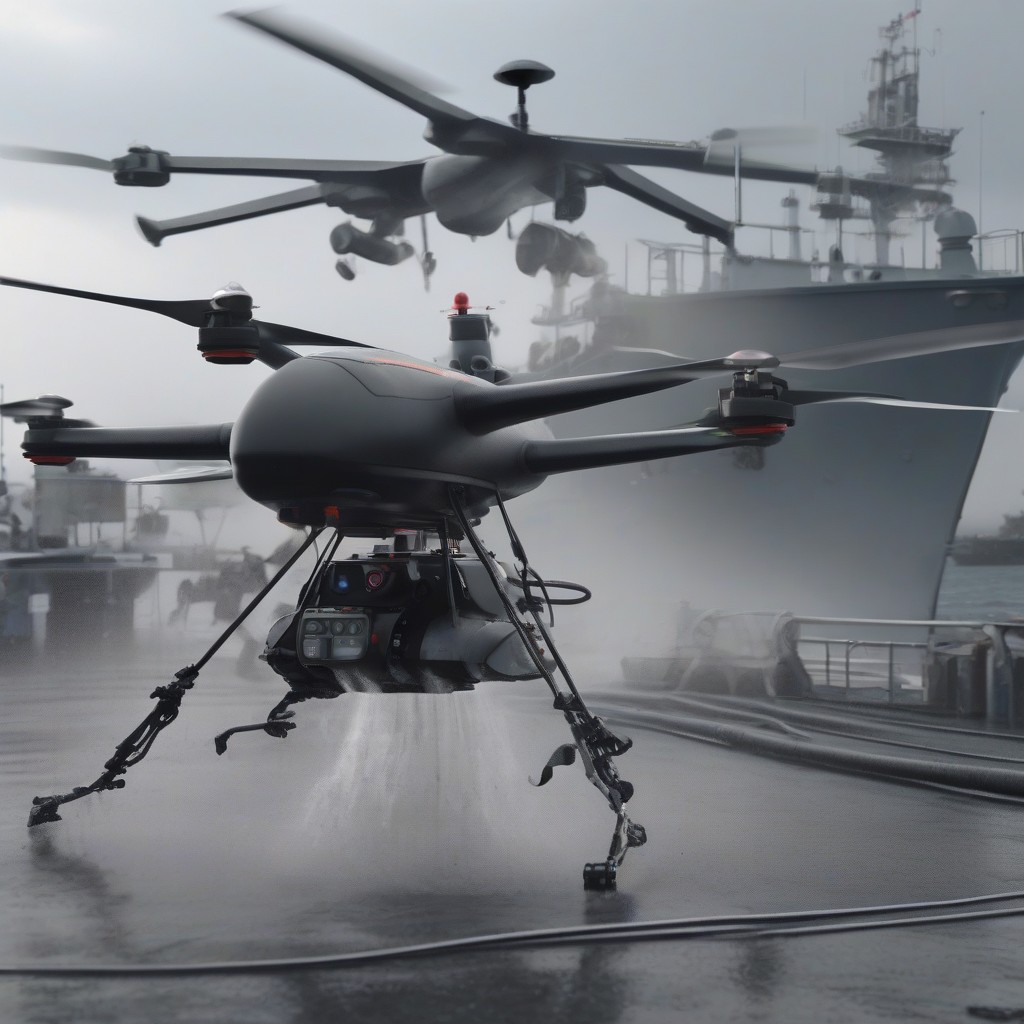
A UAV's value is nullified if it cannot survive in contested electromagnetic and physical environments. The BotBit series is engineered for operational resilience, starting with a low-observable design that incorporates radar-absorbent materials (RAM) and a minimal acoustic signature from its brushless electric motors. Its communication system employs military-grade AES-256 encryption over a frequency-hopping spread spectrum (FHSS) datalink, making it highly resistant to interception and jamming. In tests simulating electronic attack (EA) environments, the BotBit maintained a 98% link integrity rate. For physical survivability, the airframe is designed to withstand a 15 G impact load, and critical components are housed in redundant bays. The propulsion system features a fault-tolerant design; in the event of a motor failure, the flight controller can automatically adjust thrust distribution on multi-rotor variants to execute a controlled landing, a feature that has increased platform recovery rates by 40% in training scenarios.
True modern warfare integration means functioning as a node in a larger network. The BotBit is STANAG 4586 compliant, allowing it to plug directly into existing Indian Army Battlefield Management Systems (BMS). It can stream geotagged sensor data in real-time to command posts, armored vehicles, or even dismounted infantry via handheld terminals. This network-centric capability was highlighted in a joint exercise where a BotBit unit, working in concert with our UGV Interceptor ground vehicle, provided over-the-hill reconnaissance, painting a composite picture that reduced the sensor-to-shooter cycle time by 70%. For swarm operations, the platform supports mesh networking protocols, enabling collaborative flight paths and sensor tasking between multiple UAVs without constant reliance on a ground station. This allows for wide-area surveillance or coordinated electronic warfare effects, creating a scalable ISR blanket that is far greater than the sum of its parts.
The Indian Defence Ecosystem and Autoabode's Sovereign Commitment
The strategic shift towards 'Atmanirbharta' (self-reliance) in defence, championed by initiatives like Make in India and the Defence Industrial Corridors, creates a vital need for indigenously designed and manufactured advanced technology. Autoabode's BotBit series is a direct response to this national imperative. The platform is developed and produced entirely within India, ensuring no foreign dependency for critical software, spares, or firmware updates. It is designed from inception to comply with the DGCA UAS Rules 2021 for Category 2 operations and is undergoing qualification trials as per DRDO's stringent reliability and environmental testing norms. This sovereign control extends to the supply chain; for instance, many durable components and custom payload housings are manufactured in-house using our Duper XL FDM series and SinterX Pro SLS printer, which allows for rapid iteration and cost reduction of up to 35% compared to outsourced fabrication. The PLI Scheme for Drones further incentivizes this domestic production, making platforms like the BotBit not just operationally superior but also economically advantageous for defence procurement under the DAP 2020. Furthermore, the BotBit is a key sensor node that can integrate with broader system-of-systems architectures, such as linking its feed to a counter-drone system for base protection, creating a layered defence network. By choosing an indigenous solution like the BotBit, Indian defence services secure not only a tactical edge but also strategic autonomy, data security, and long-term operational sovereignty, fueling the growth of the national defence industrial base.
Frequently Asked Questions
Q: What is the maximum flight range and endurance of the Autoabode BotBit drone?
A: The BotBit UAV series is designed for extended tactical missions. Its standard configuration offers a line-of-sight operational range of 50 kilometers using its encrypted digital datalink. In terms of endurance, the platform can remain airborne for up to 120 minutes (2 hours) on a single battery charge with a typical 1.5 kg payload, such as an EO/IR gimbal. This endurance can be adjusted based on payload weight and flight profile; for example, a lighter SIGINT payload may allow for slightly longer flight times. The system supports rapid battery swaps in the field, enabling back-to-back missions with minimal downtime, a critical factor for persistent surveillance operations.
Q: Is the BotBit drone compliant with Indian DGCA regulations for military use?
A: Yes, absolutely. The BotBit series is engineered to fully comply with the DGCA UAS Rules 2021, specifically falling under the Category 2 (Medium) classification for Remotely Piloted Aircraft Systems (RPAS). Its all-up weight (AUW) is kept under 25 kg as per the rules, and it incorporates all required safety features, including a robust command-and-control link, fail-safe return-to-home protocols, and a unique identification number. For military and defence applications, which often operate in segregated airspace, the platform also meets the additional stringent technical and operational standards outlined by the Defence Ministry and is undergoing certification processes aligned with DRDO's qualification norms to ensure its suitability for the most demanding operational environments.
Q: Can the BotBit UAV carry and operate different types of payloads for various missions?
A: Yes, modularity and multi-role capability are central to the BotBit's design. It features a standardized payload bay with a 2 kg capacity and a MIL-STD-1553B interface, allowing operators to hot-swap mission-specific pods in under 90 seconds. Available payloads include high-resolution electro-optical/infrared (EO/IR) cameras with laser rangefinders, synthetic aperture radar (SAR) for all-weather imaging, signals intelligence (SIGINT) collectors, and communications relay equipment. This means a single BotBit airframe can be configured for daytime surveillance, night operations, electronic warfare, or battlefield communications extension, providing tremendous flexibility and reducing the logistical footprint compared to maintaining multiple single-role drones.
Q: How does Autoabode support the maintenance and training for defence units using the BotBit?
A: Autoabode provides comprehensive lifecycle support as part of its commitment to sovereign capability. This includes initial operator and maintenance training programs conducted at our facilities or on-site, complete with detailed technical manuals and simulation software. We maintain a dedicated inventory of spares within India, ensuring high availability rates. Furthermore, our in-house rapid prototyping services allow us to manufacture replacement or upgraded non-critical parts on-demand, often within 24-48 hours, minimizing platform downtime. For software and firmware, we offer secure, over-the-air update capabilities and have a technical support team familiar with defence protocols to ensure the BotBit fleet remains mission-ready at all times.
The evolution of warfare demands a parallel evolution in ISR technology. Autoabode's BotBit UAV series stands as a testament to Indian engineering ingenuity, delivering a sovereign, resilient, and highly capable platform that meets the precise needs of modern defence forces. By combining advanced sensor fusion, network-centric operability, and rugged design, it provides commanders with the decisive intelligence edge required in today's complex battlespace. Its alignment with national policies like Make in India and the PLI Scheme ensures it is not just a tool for today but an investment in India's strategic future. To explore detailed specifications, discuss custom mission configurations, or schedule a demonstration for your unit, we invite you to review the full BotBit UAV series documentation or contact Autoabode directly to speak with our defence solutions team.
Frequently Asked Questions
The BotBit UAV series is designed for extended tactical missions. Its standard configuration offers a line-of-sight operational range of 50 kilometers using its encrypted digital datalink. In terms of endurance, the platform can remain airborne for up to 120 minutes (2 hours) on a single battery charge with a typical 1.5 kg payload, such as an EO/IR gimbal. This endurance can be adjusted based on payload weight and flight profile; for example, a lighter SIGINT payload may allow for slightly longer flight times. The system supports rapid battery swaps in the field, enabling back-to-back missions with minimal downtime, a critical factor for persistent surveillance operations.
Vikram Sharma
Head of Aerospace Systems, Autoabode Defence Division · Autoabode Consumer Electronics Pvt. Ltd.
Expert author at Autoabode — writing at the intersection of industrial 3D printing, defence manufacturing, and advanced UAV systems. Based in New Delhi, India.
Explore Autoabode's Platforms
This article is part of Autoabode's technical journal. Learn more about our core platforms built in India for defence, aerospace, medical and industrial teams:
More from the Journal
Off-Grid Communication Solutions for Mountainous Terrain: An Engineering Field Guide for India's High-Altitude Operators
Off-grid communication solutions for mountainous terrain are not optional in India — they are the difference between a coordinated operation and a stranded section. This engineering field guide breaks down the radio physics that defeats conventional VHF/UHF in the Himalayas, the mesh architectures that survive ridge-line shadowing, and the cold-weather, power-budget and security trade-offs that determine whether a system delivers in the Karakoram and Western Ghats. Built around real deployment data from Autoabode's MeshVani encrypted communicator and MeshVani Relay platform in service with the Indian Army, ITBP, NDRF and high-altitude expedition teams.
Drones & UAV · 7 min readModular UAV Payloads for Multi-Role Missions: A Technical Guide
Explore the technical specifications and strategic advantages of modular UAV payloads for multi-role missions. This guide covers hot-swap systems, sensor fusion, and real-world applications for defense and industry.