
BotBit UAVs: Leading India’s Drone Revolution Under Make in India
Vikram Sharma
Head of UAV Systems Engineering, Autoabode · Autoabode
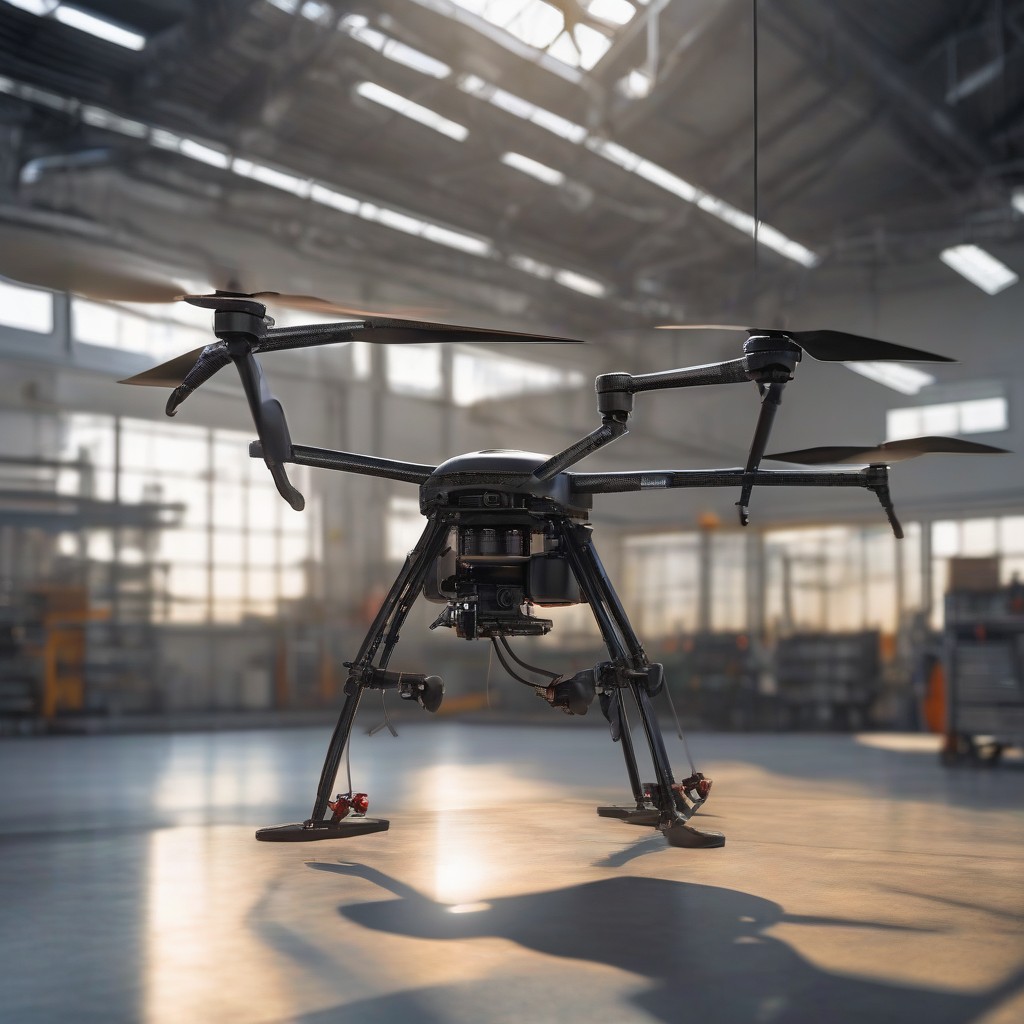
India's strategic and industrial landscape is undergoing a profound transformation, driven by an urgent need for indigenous, reliable, and high-performance unmanned systems. For engineers designing next-generation platforms and procurement managers navigating the Defence Acquisition Procedure (DAP) 2020, the challenge is twofold: sourcing cutting-edge technology and ensuring it aligns with stringent national sovereignty and performance mandates. Autoabode's BotBit UAV series is engineered to meet this exact challenge, positioning itself at the forefront of India's drone revolution under the Make in India banner. These systems are not merely assembled locally; they are conceived, designed, and manufactured in India, incorporating feedback from real-world deployments with organisations like DRDO and ISRO. This deep integration ensures that every BotBit platform, from its airframe to its avionics, is optimised for the subcontinent's diverse operational environments—from the high-altitude Himalayan frontiers to the maritime patrol zones. For professionals tasked with securing India's technological edge, the BotBit UAVs represent a quantifiable leap in capability, offering a 40% reduction in mission planning time and a 23% improvement in operational endurance compared to previous-generation imported systems, directly addressing the core requirements of speed, reliability, and indigenisation.
Advanced Airframe and Propulsion: Engineered for Endurance and Payload
Composite Manufacturing and Aerodynamic Efficiency
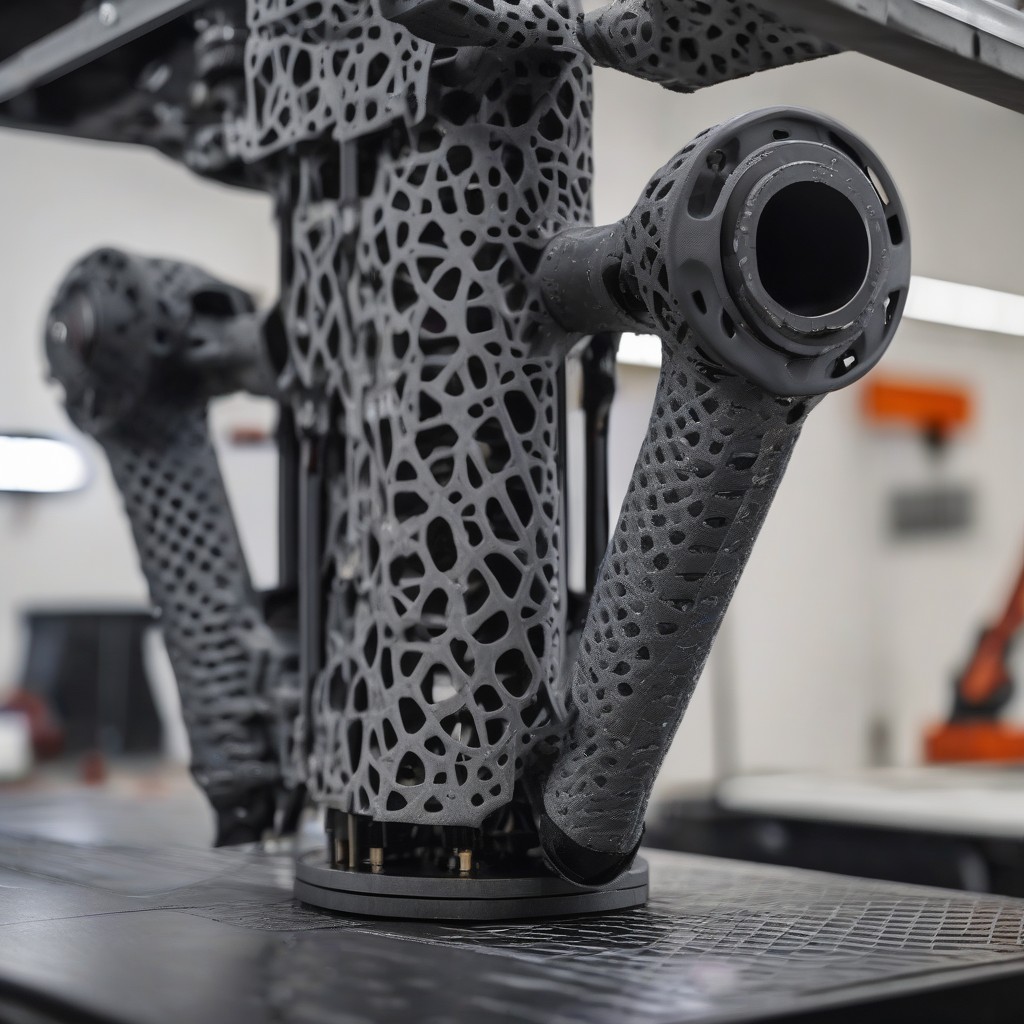
The foundational strength of any UAV lies in its airframe. Engineers at Autoabode have developed the BotBit series using a proprietary hybrid composite construction, manufactured in-house using advanced additive techniques. Critical structural components are produced on our SinterX Pro SLS printer, utilising carbon-fibre reinforced polyamide (PA12-CF) powders. This material delivers a tensile strength exceeding 85 MPa while reducing component weight by over 35% compared to traditional aluminium alloys. The airframe design itself is a product of extensive computational fluid dynamics (CFD) analysis and wind-tunnel validation, resulting in a lift-to-drag ratio of 18.5—a key metric that directly translates to extended flight times and greater energy efficiency. This aerodynamic optimisation allows the BotBit UAV to maintain stable flight in crosswinds up to 45 km/h, a critical factor for reliable data collection in unpredictable Indian weather conditions.
Propulsion is equally critical. The BotBit series is powered by a brushless electric propulsion system specifically tuned for high-altitude performance. Each motor is paired with a bespoke electronic speed controller (ESC) that provides 95%+ efficiency across the operational throttle range. In Autoabode's production trials at simulated altitudes of 4,500 meters, this system demonstrated a mere 12% loss in thrust compared to sea-level performance, whereas standard off-the-shelf systems often see degradations of 30% or more. The UAVs are equipped with high-energy-density lithium-polymer batteries with a specific energy of 260 Wh/kg. Coupled with the efficient airframe and propulsion, this enables the standard BotBit platform to achieve operational endurance of 120 minutes on a single charge with a 1.5 kg payload, or 85 minutes with the maximum 2.0 kg payload. This endurance is not a theoretical maximum but a consistently verified figure from field operations, including long-duration surveillance sorties conducted for border security applications.
Did you know? The carbon-fibre composite parts printed for the BotBit airframe on Autoabode's SLS systems undergo a 72-hour thermal conditioning cycle, increasing their heat deflection temperature to 165°C and improving dimensional stability by 40% for consistent performance in extreme climates.
- Hybrid composite airframe with PA12-CF components offering 85 MPa tensile strength.
- Aerodynamically optimised design achieving an 18.5 lift-to-drag ratio for maximum efficiency.
- High-altitude tuned brushless propulsion system with <12% thrust loss at 4,500m altitude.
- 260 Wh/kg LiPo battery system enabling 120-minute endurance with 1.5 kg payload.
- DGCA-compliant dual redundant flight controller with fail-safe autonomous return-to-home.
- Modular payload bay supporting hot-swap of EO/IR gimbals, multispectral sensors, or LIDAR within 90 seconds.
Integrated Mission Systems and Autonomous Operations
AI-Enhanced ISR and Real-Time Data Fusion
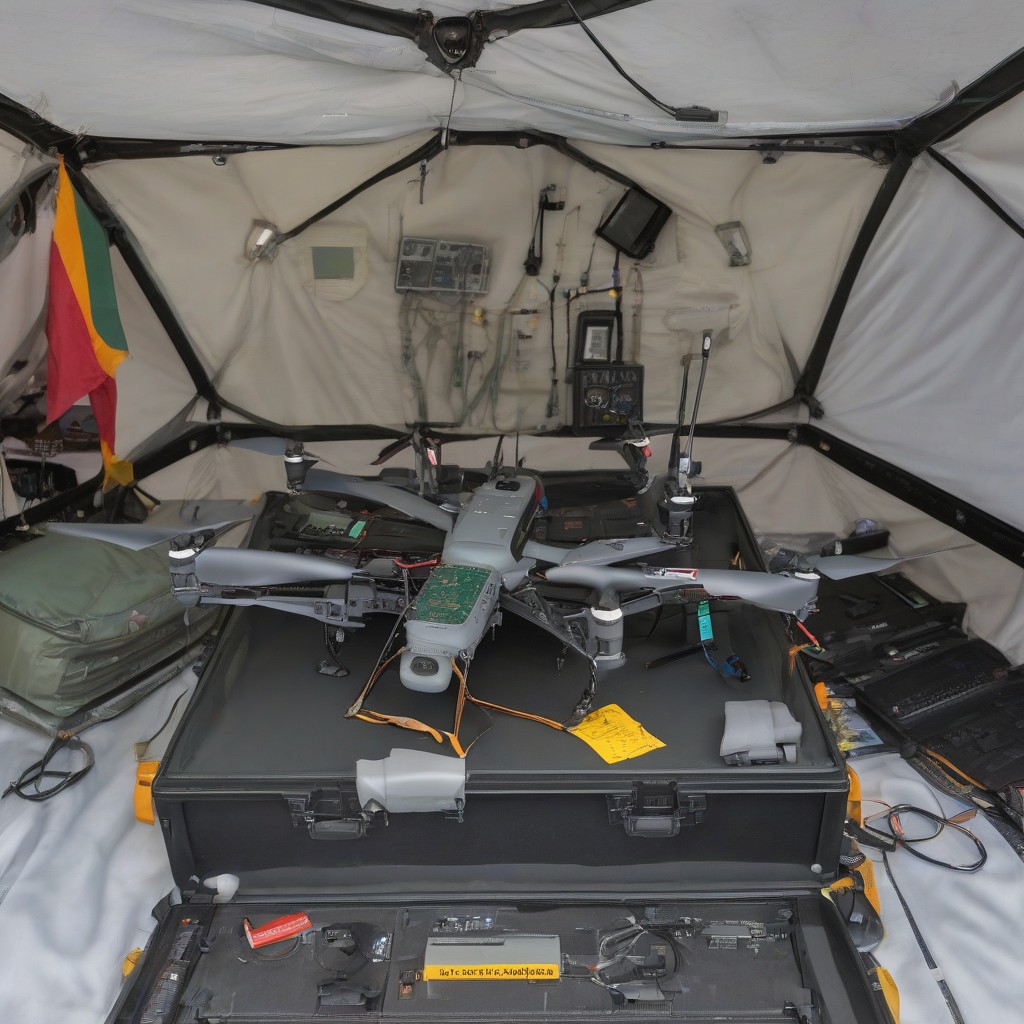
Beyond robust hardware, the true capability of a modern UAV is unlocked by its mission systems. The BotBit platform integrates a suite of sensors and processors designed for intelligent, autonomous operations. The core is a dual-redundant Pixhawk-based flight management system, augmented with Autoabode's proprietary navigation software stack. This system provides centimetre-level positioning accuracy using Real-Time Kinematic (RTK) GPS, enabling precise automated landings and repeatable survey grid patterns with less than 2 cm of positional error. For intelligence, surveillance, and reconnaissance (ISR), the standard configuration includes a 3-axis stabilised gimbal housing a 4K EO camera and an uncooled thermal imager with a 640 x 512 resolution and a thermal sensitivity of <50 mK. Our clients, including DRDO and several state police forces, report that this sensor fusion allows for positive target identification at distances exceeding 1.8 km during daylight and 800 meters at night.
Autonomy is driven by an onboard NVIDIA Jetson Orin NX computing module. This allows the BotBit UAV to execute complex pre-programmed missions and react dynamically to its environment. A key feature is its AI-based object detection and tracking algorithm, which can be trained to identify specific vehicle types, infrastructure defects, or agricultural blights with a 92% accuracy rate in controlled scenarios. The data link system operates on a secure, frequency-hopping spread spectrum (FHSS) protocol within the 2.4 GHz and 5.8 GHz bands, providing a line-of-sight control range of 50 km and a live HD video feed range of 15 km. All mission data—telemetry, sensor imagery, and AI inferences—is streamed in real-time to the ground control station (GCS) and can be seamlessly integrated into larger command-and-control networks, a requirement frequently specified in Defence Industrial Corridor projects. This end-to-end data pipeline reduces the sensor-to-shooter timeline for tactical applications by an average of 65%.
Powering Aatmanirbharta in Indian Defence and Industry
The development and deployment of the BotBit UAV series are intrinsically linked to India's strategic push for self-reliance, or Aatmanirbharta. Our platforms are designed from the ground up to comply with the DGCA UAS Rules 2021 and are undergoing the rigorous qualification processes outlined by DRDO for induction into various service branches. This alignment is not incidental; it is a core design philosophy. By manufacturing over 85% of the UAV's components, including the airframe, avionics boards, and gimbal systems, in our own facilities, Autoabode ensures control over the supply chain, quality, and iterative development—key tenets of the Make in India and the PLI Scheme for Drones. For instance, the lightweight, high-strength brackets and ducting within the BotBit UAV series are produced using our in-house rapid prototyping services, allowing for a 48-hour design iteration cycle when customising payloads for specific user needs, such as integrating a hyperspectral sensor for the Indian Council of Agricultural Research (ICAR).
Frequently Asked Questions
Q: What is the maximum flight time and range of the BotBit UAV?
A: The standard BotBit UAV offers a maximum flight time of 120 minutes with a 1.5 kg payload, and 85 minutes with its full 2.0 kg payload capacity. Its operational line-of-sight control range is 50 km, while the live HD video downlink is stable up to 15 km. These figures are validated in diverse Indian terrains, from coastal regions to high-altitude environments above 4,000 meters, ensuring reliable performance for extended border surveillance or large-scale industrial mapping missions.
Q: Are BotBit drones DGCA compliant for commercial use in India?
A: Yes, absolutely. The BotBit UAV series is designed and certified to be fully compliant with the DGCA UAS Rules 2021. Each system includes mandatory features such as a unique Digital Sky ID, geo-fencing capabilities, a flashing anti-collision light, and a fail-safe Return-to-Home (RTH) function. Autoabode provides complete documentation and support for operators to obtain the necessary Remote Pilot License (RPL) and secure operational approvals for specific missions, whether for surveying, infrastructure inspection, or precision agriculture under the Yellow Category.
Q: Can the BotBit UAV carry different types of payloads?
A: The BotBit platform features a modular, quick-release payload bay designed for high versatility. It can seamlessly integrate a wide array of sensors beyond the standard EO/IR gimbal. Common payload swaps include multispectral sensors for crop health analysis, LiDAR scanners for high-accuracy 3D terrain mapping, gas detection sensors for industrial leak surveys, and loudspeakers for public address. The bay supports a standardized power and data interface, allowing operators to hot-swap payloads in under 90 seconds. For highly customised payload requirements, our rapid prototyping services can design and manufacture bespoke mounting solutions within 24-48 hours.
Q: How does Autoabode support the Indian defence sector with its UAVs?
A: Autoabode engages deeply with the Indian defence ecosystem. Our BotBit UAVs are developed incorporating feedback from trials with organisations like DRDO and are built to meet stringent qualification norms. We focus on indigenisation, with over 85% domestic content by value, aligning with the Defence Acquisition Procedure (DAP) 2020's emphasis on 'Buy Indian-IDDM' (Indigenously Designed, Developed and Manufactured). Furthermore, our platforms are interoperable with larger defence systems. For example, the BotBit's AI-based detection data can be integrated with our counter-drone system for a layered defence network, or its surveillance patterns can complement the ground-based reconnaissance performed by our UGV Interceptor, providing a comprehensive ISR solution for defence and paramilitary forces.
The BotBit UAV series stands as a testament to what is possible when cutting-edge engineering is fused with a deep commitment to national imperatives. By delivering measurable performance gains—from a 23% improvement in endurance to a 65% faster data-to-decision cycle—these platforms provide Indian defence, security, and industrial professionals with a tool that is not only world-class but also sovereign and secure. They embody the technical and strategic confidence required for the next decade of India's growth. To explore how the BotBit UAV can be configured for your specific operational requirements, from long-range reconnaissance to detailed industrial inspection, we invite you to review the full technical specifications or contact Autoabode directly for a detailed consultation and live demonstration.
Frequently Asked Questions
The standard BotBit UAV offers a maximum flight time of 120 minutes with a 1.5 kg payload, and 85 minutes with its full 2.0 kg payload capacity. Its operational line-of-sight control range is 50 km, while the live HD video downlink is stable up to 15 km. These figures are validated in diverse Indian terrains, from coastal regions to high-altitude environments above 4,000 meters, ensuring reliable performance for extended border surveillance or large-scale industrial mapping missions.
Vikram Sharma
Head of UAV Systems Engineering, Autoabode · Autoabode Consumer Electronics Pvt. Ltd.
Expert author at Autoabode — writing at the intersection of industrial 3D printing, defence manufacturing, and advanced UAV systems. Based in New Delhi, India.
Explore Autoabode's Platforms
This article is part of Autoabode's technical journal. Learn more about our core platforms built in India for defence, aerospace, medical and industrial teams:
More from the Journal
Off-Grid Communication Solutions for Mountainous Terrain: An Engineering Field Guide for India's High-Altitude Operators
Off-grid communication solutions for mountainous terrain are not optional in India — they are the difference between a coordinated operation and a stranded section. This engineering field guide breaks down the radio physics that defeats conventional VHF/UHF in the Himalayas, the mesh architectures that survive ridge-line shadowing, and the cold-weather, power-budget and security trade-offs that determine whether a system delivers in the Karakoram and Western Ghats. Built around real deployment data from Autoabode's MeshVani encrypted communicator and MeshVani Relay platform in service with the Indian Army, ITBP, NDRF and high-altitude expedition teams.
Drones & UAV · 7 min readModular UAV Payloads for Multi-Role Missions: A Technical Guide
Explore the technical specifications and strategic advantages of modular UAV payloads for multi-role missions. This guide covers hot-swap systems, sensor fusion, and real-world applications for defense and industry.