
FDM vs SLS vs MJF: Choosing the Right Process for Industrial Production in 2026
Rohit Sharma
Senior Technical Writer at Autoabode · Autoabode
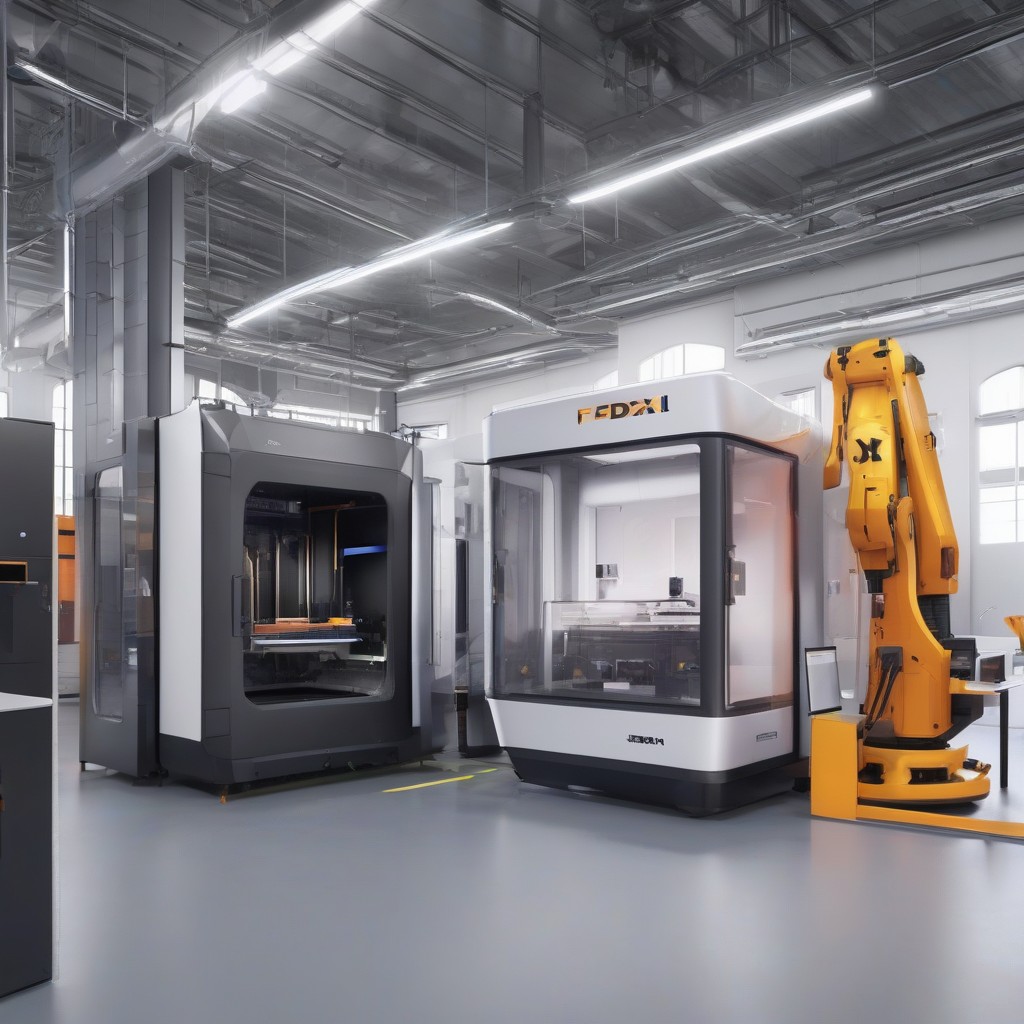
The additive manufacturing landscape is evolving rapidly, with FDM, SLS, and MJF emerging as dominant technologies for industrial production. As India positions itself as a global manufacturing hub under the Make in India initiative, understanding these processes becomes crucial for engineers and procurement managers seeking efficient, cost-effective solutions.
Introduction to Additive Manufacturing
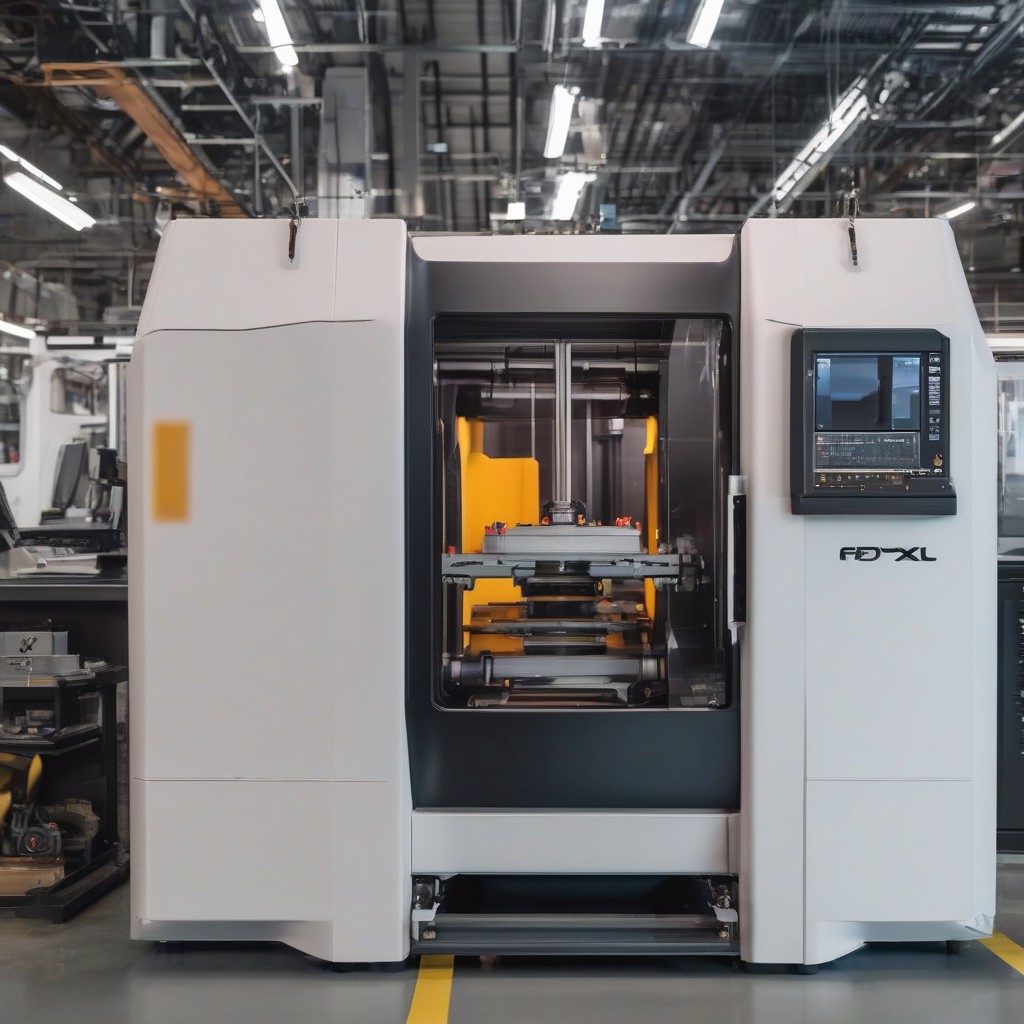
Additive manufacturing (AM) has revolutionized industrial production by enabling rapid prototyping, customization, and complex geometries. In India, this shift is supported by government initiatives like the PLI scheme and DGCA regulations for UAVs, making Autoabode a key player with its Duper XL series and SinterX Pro.
FDM: Filament Deposition Modeling
FDM is widely adopted for its affordability and versatility. The Duper XL series at Autoabode uses FDM to deliver high-speed production with materials like ABS and PETG, ideal for automotive parts and consumer goods.
SLS: Selective Laser Sintering
SLS offers high durability and strength, making it suitable for defense applications. Autoabode's SinterX Pro excels in producing complex geometries with materials like PA 12, catering to DRDO requirements.
MJF: Multi Jet Fusion
MJF combines speed and detail, ideal for high-volume production. It's often used in aerospace with Autoabode integrating it into their UAV manufacturing processes.
Key Considerations: Material Options, Cost Efficiency, Build Time
- FDM: Best for low to medium complexity parts with quick turnaround.
- SLS: Ideal for high-strength components requiring complex geometries.
- MJF: Suitable for high-volume production needing detailed finish.
Applications in Indian Industrial Context
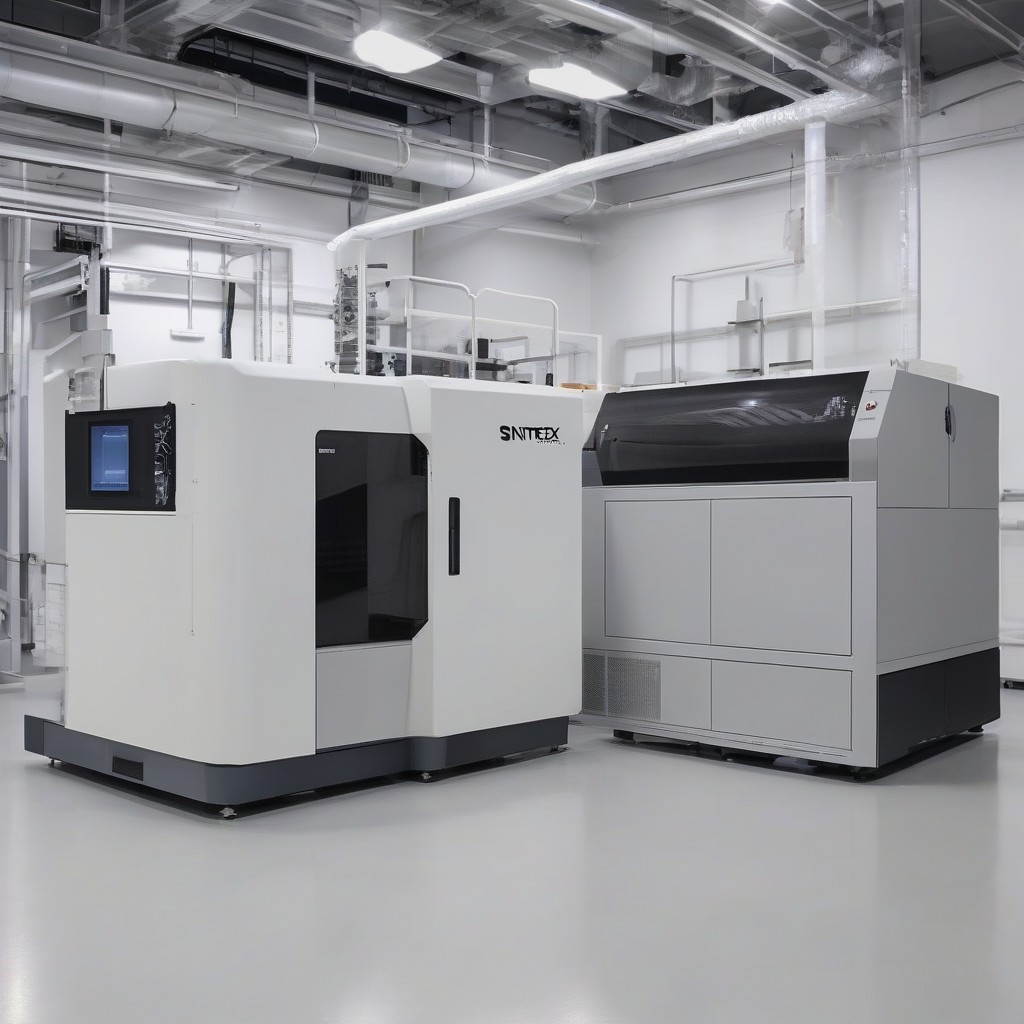
In India, these technologies are pivotal across industries. Autoabode's Duper XL series supports BHEL and IITs with rapid prototyping, while SinterX Pro aids DRDO in defense innovation.
The UAV industry benefits from MJF for lightweight, durable components, aligning with DGCA standards. Autoabode's BotBit and UGV Interceptor exemplify this integration.
Rohit Sharma
Senior Technical Writer at Autoabode · Autoabode Consumer Electronics Pvt. Ltd.
Expert author at Autoabode — writing at the intersection of industrial 3D printing, defence manufacturing, and advanced UAV systems. Based in New Delhi, India.
Explore Autoabode's Platforms
This article is part of Autoabode's technical journal. Learn more about our core platforms built in India for defence, aerospace, medical and industrial teams:
More from the Journal
Off-Grid Communication Solutions for Mountainous Terrain: An Engineering Field Guide for India's High-Altitude Operators
Off-grid communication solutions for mountainous terrain are not optional in India — they are the difference between a coordinated operation and a stranded section. This engineering field guide breaks down the radio physics that defeats conventional VHF/UHF in the Himalayas, the mesh architectures that survive ridge-line shadowing, and the cold-weather, power-budget and security trade-offs that determine whether a system delivers in the Karakoram and Western Ghats. Built around real deployment data from Autoabode's MeshVani encrypted communicator and MeshVani Relay platform in service with the Indian Army, ITBP, NDRF and high-altitude expedition teams.
Drones & UAV · 7 min readModular UAV Payloads for Multi-Role Missions: A Technical Guide
Explore the technical specifications and strategic advantages of modular UAV payloads for multi-role missions. This guide covers hot-swap systems, sensor fusion, and real-world applications for defense and industry.