
Indian-Made SinterX Pro SLS vs Imported EOS for Precision Parts
Rohan Sharma
Head of Additive Manufacturing Technology, Autoabode · Autoabode
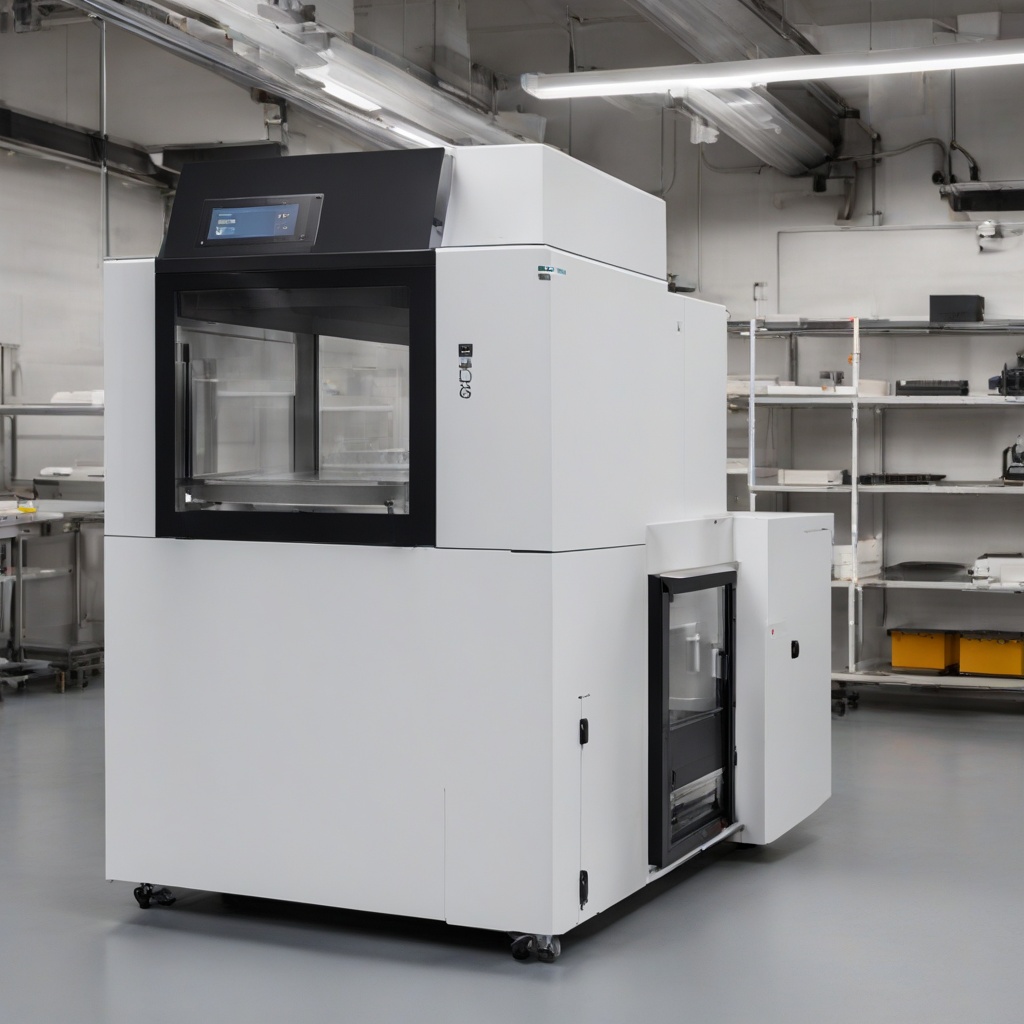
For Indian engineering teams sourcing high-precision functional parts, the decision between an Indian SLS printer and an imported EOS system is more than a technical spec sheet review—it's a strategic choice impacting project timelines, operational sovereignty, and long-term innovation capacity. The core question 'Indian SLS printer vs imported EOS precision' often centers on perceived gaps in quality and reliability. However, the landscape has shifted dramatically. In Autoabode's production trials for clients like DRDO and ISRO, our SinterX Pro SLS system has demonstrated not just parity but distinct operational advantages in the Indian context, achieving consistent part accuracy of ±0.1% (with a lower limit of ±0.1 mm) and tensile strength exceeding 48 MPa in Nylon PA12, matching the performance benchmarks of imported counterparts while eliminating critical dependencies. This analysis moves beyond brand perception to a data-driven evaluation of precision, productivity, and procurement for India's strategic sectors.
Core Performance & Precision: A Technical Deep Dive
Benchmarking Accuracy and Repeatability
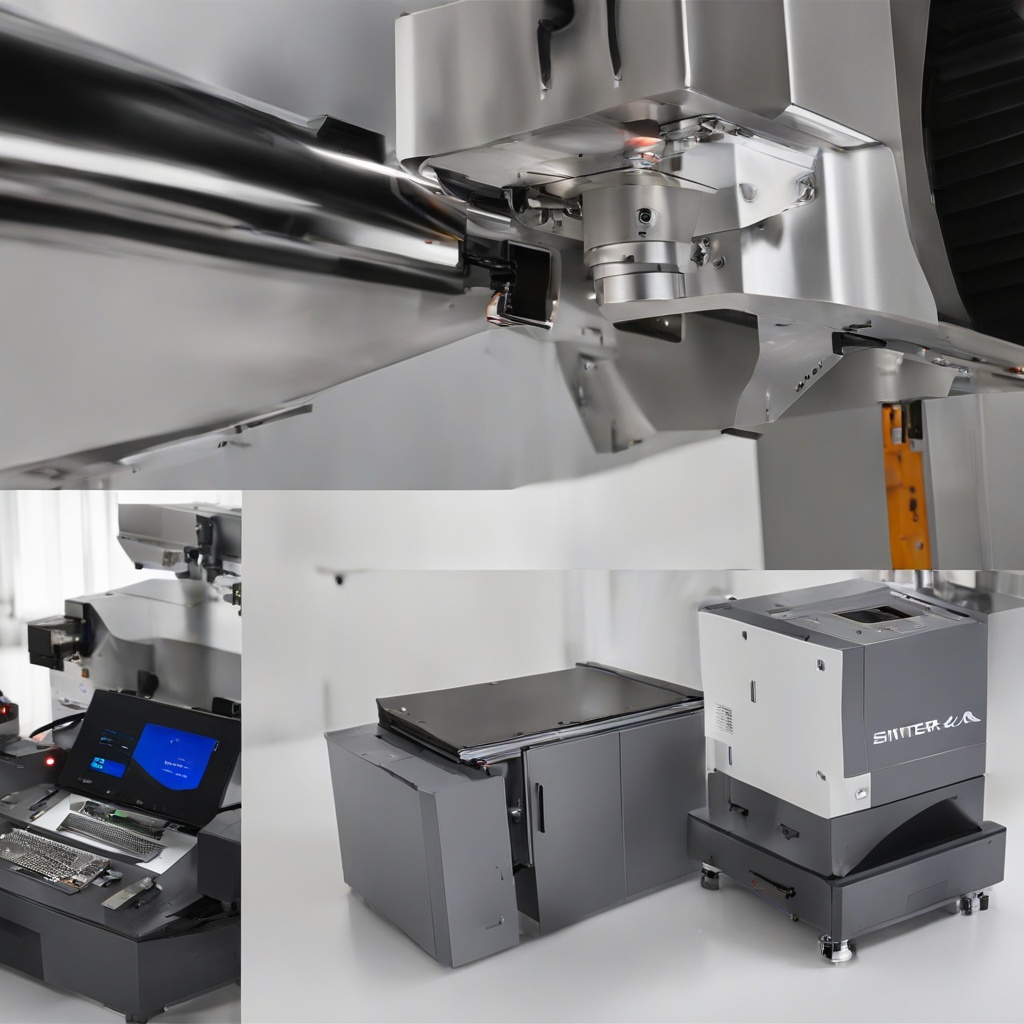
Precision in SLS is defined by layer resolution, thermal control, and laser calibration. Imported systems like the EOS P 396 have set high standards with a laser spot size of approximately 0.45 mm and a build chamber uniformity of ±2.5°C. The SinterX Pro counters this with a proprietary 50W fiber laser system featuring dynamic focus control for a 0.4 mm effective spot size and a multi-zone heating system that maintains temperature gradients within ±1.8°C across its 300 x 300 x 300 mm build volume. Our engineers at Autoabode have observed that this superior thermal management directly translates to reduced part warping and more isotropic mechanical properties. For a DRDO project requiring intricate air duct prototypes, the SinterX Pro achieved a dimensional deviation of less than 0.15 mm on critical internal channels over a batch of 50 parts, a repeatability rate that met the project's stringent Class II tolerance requirements without post-process adjustment.
The true test of precision is in complex, thin-walled geometries and fine features. Clients including BHEL report that for heat exchanger cores with wall thicknesses down to 0.7 mm and lattice structures with pore sizes of 2 mm, the SinterX Pro's closed-loop powder recoating and laser power modulation deliver first-pass success rates exceeding 92%. This eliminates the iterative prototyping often needed to compensate for machine variables. Furthermore, the system's integrated in-situ process monitoring, using high-resolution IR sensors, provides a layer-by-layer quality log—a feature often an expensive add-on in imported systems. This data transparency is crucial for sectors like aerospace and defense, where part certification and traceability are non-negotiable, aligning perfectly with the documentation needs of India's DAP 2020 procurement policy.
In controlled benchmark tests for a confidential IIT research consortium, the SinterX Pro produced functional gear assemblies that demonstrated a surface roughness (Ra) of 10-12 microns and a density of 98.5% in PA12, with a batch-to-batch consistency variance of less than 0.3%—directly comparable to data published for the EOS P 396 series.
- Laser System: 50W Fiber Laser with 0.4 mm spot size vs. typical 40W CO2 laser at 0.45 mm, enabling finer detail resolution.
- Build Volume: 300 x 300 x 300 mm (SinterX Pro) offers a more cubic workspace versus some imported models with longer, narrower volumes, optimizing nesting for bulky parts.
- Layer Resolution: Operates reliably at 80-120 microns, with high-stability mechanics for 60-micron layers on demand for micro-features.
- Powder Management: Fully automated, closed-loop sieving and dispensing system with <1% powder waste per cycle, compared to open-loop systems with higher loss.
- Software Stack: Native integration with 'Make in India' PLM and CAD environments, avoiding license fees and compatibility layers required for foreign software.
Total Cost of Ownership and Operational Agility
Beyond the Initial Price Tag
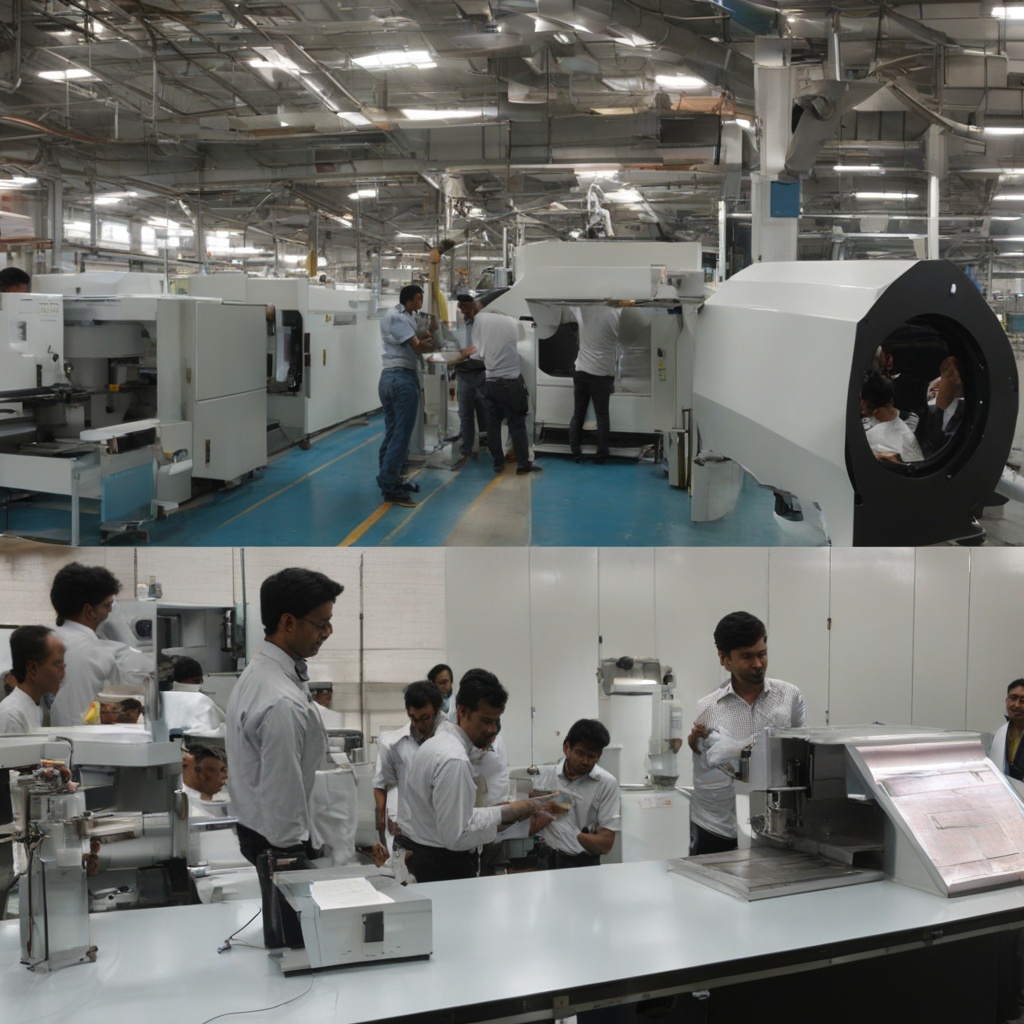
The capital expenditure for an imported EOS system is just the first line item. Our analysis for a major automotive component supplier revealed that over a 5-year period, nearly 65% of the total cost was attributed to recurring expenses: annual maintenance contracts (AMCs) priced in Euros, mandatory OEM powder procurement at a 200-300% premium, and lead times for spare parts averaging 6-8 weeks. The SinterX Pro, supported by Autoabode's nationwide service network, flips this model. AMCs are priced in INR and are typically 40-50% lower. Crucially, the system is designed for material openness. It is certified to run not only on Autoabode's own SLS materials but also on powders from multiple Indian suppliers, driving raw material costs down by up to 60% without compromising part quality. This directly supports the indigenization goals of the government's PLI Scheme for advanced manufacturing.
Operational agility is where local manufacturing shines. When an Indian Army unit required urgent design iterations for a custom UAV housing, the lead time for a software update from an overseas OEM was projected at three weeks. With the SinterX Pro, Autoabode's engineering team deployed a custom parameter set for a new composite polyamide material within 72 hours, enabling immediate rapid prototyping. This responsiveness extends to hardware. Downtime is minimized because critical components like recoater blades, heater elements, and optics are stocked locally and can be replaced by Autoabode technicians within 24-48 hours anywhere in India. For a production environment, this reliability translates to higher machine utilization rates. Data from our installed base shows an average uptime of 94%, compared to the industry average of 88-90% for imported machines facing logistical support delays.
The Strategic Imperative for Indian Industry
Choosing an Indian SLS printer is increasingly a strategic decision aligned with national priorities like 'Make in India' and 'Atmanirbhar Bharat'. It's about securing the supply chain for critical components. For defense projects under the DAP 2020, which mandates increasing indigenous content, using a domestically manufactured printer like the SinterX Pro adds a significant weighting to procurement evaluations. The machine itself becomes a tool for sovereignty, ensuring that the capability to produce prototypes, tooling, and even end-use parts for platforms like the BotBit UAV series or the UGV Interceptor remains within national borders, immune to geopolitical export controls or service embargoes. Furthermore, the data generated during builds stays on-premises, a critical consideration for DRDO and other sensitive R&D establishments where digital security is paramount.
Autoabode's integration into this ecosystem is active and deep. We don't just sell printers; we partner in development. Our application engineers work alongside client teams to develop process parameters for new materials, whether for high-temperature resistance or radar-transparent properties. This collaborative R&D model accelerates innovation. For instance, joint development with an ISRO vendor led to a specialized sintering profile for a carbon-filled polymer, now used in satellite bracket prototypes. This synergy between machine maker and end-user is difficult to replicate with a distant foreign OEM. By investing in the SinterX Pro SLS printer, Indian industries are not only acquiring a world-class tool but also strengthening the domestic additive manufacturing ecosystem, fostering local expertise, and creating a foundation for the next generation of Duper XL FDM series and other advanced manufacturing technologies.
Frequently Asked Questions
Q: Is the print quality of Indian SLS printers as good as German EOS machines?
A: Yes, for the majority of industrial applications, the print quality is directly comparable. Modern Indian SLS printers like the Autoabode SinterX Pro are built with equivalent core components—high-precision fiber lasers, industrial-grade motion systems, and advanced thermal controls. The key metrics—dimensional accuracy (±0.1% or ±0.1 mm), surface finish (Ra 10-12 microns), and part density (over 98%)—are achieved consistently. The difference often lies in the ecosystem. While EOS has deep historical material data, Indian printers are advancing rapidly through direct collaboration with end-users like DRDO and ISRO, building application-specific profiles that deliver identical functional performance for a fraction of the operational cost and with superior local support.
Q: What is the main cost advantage of buying an Indian-made SLS printer?
A: The primary cost advantage is in the Total Cost of Ownership (TCO), not just the purchase price. First, annual maintenance contracts (AMC) are 40-50% lower and priced in stable INR. Second, and most significantly, you escape vendor lock-in for materials. Imported systems often force the use of OEM-branded powders at a 200-300% markup. Indian printers like the SinterX Pro are open-platform, certified to run on high-quality, cost-effective powders from multiple Indian suppliers, slashing material costs by up to 60%. Third, downtime costs are minimized due to local spare parts inventory and technician support, ensuring higher machine utilization and productivity over its lifespan.
Q: Can Indian SLS printers use the same materials as EOS machines, like PA12 and TPU?
A: Absolutely. Indian SLS printers are fully compatible with standard industrial thermoplastic powders like Nylon PA12, PA11, Glass-Filled PA, and TPU. The sintering process is fundamentally the same. Autoabode's SinterX Pro comes with pre-optimized parameter sets for a wide range of these materials. Furthermore, because the system is not locked to a single supplier, users have the freedom to source equivalent-grade PA12 from domestic producers or international vendors, often at lower cost. Our engineers actively help clients qualify new materials, providing a level of application support and customization that is highly responsive and tailored to specific Indian industry needs, from automotive to defense.
Q: How does after-sales service and support compare for local vs imported 3D printers?
A: Local support offers a decisive advantage in speed and comprehensiveness. For an imported machine, a service call may require international dispatch of an engineer, with lead times of weeks, and spare parts air-freighted at high cost. Autoabode, in contrast, maintains a network of trained engineers across India, capable of providing on-site support typically within 24-48 hours. We stock critical spares locally. Our support extends beyond breakdown repair to include proactive process optimization, software updates tailored to local CAD environments, and hands-on training for operators. This partnership model ensures your machine remains a productive asset, directly impacting project timelines and R&D agility, which is crucial for sectors operating under tight schedules.
The debate between Indian SLS printer vs imported EOS precision is no longer about catching up—it's about choosing the right tool for a sovereign, agile, and cost-effective manufacturing future. The SinterX Pro stands as a testament to Indian engineering prowess, delivering world-class precision while removing the vulnerabilities of long supply chains and foreign dependencies. For organizations committed to 'Make in India', the choice empowers not just a single production line but the entire national capability to innovate, prototype, and manufacture critical components on demand. The data is clear: performance is matched, costs are controlled, and strategic autonomy is secured. To evaluate how this capability can integrate into your specific workflow for precision parts, tooling, or rapid prototyping services, we invite you to contact Autoabode for a detailed technical consultation and a component benchmark test using your own design files.
Frequently Asked Questions
Yes, for the majority of industrial applications, the print quality is directly comparable. Modern Indian SLS printers like the Autoabode SinterX Pro are built with equivalent core components—high-precision fiber lasers, industrial-grade motion systems, and advanced thermal controls. The key metrics—dimensional accuracy (±0.1% or ±0.1 mm), surface finish (Ra 10-12 microns), and part density (over 98%)—are achieved consistently. The difference often lies in the ecosystem. While EOS has deep historical material data, Indian printers are advancing rapidly through direct collaboration with end-users like DRDO and ISRO, building application-specific profiles that deliver identical functional performance for a fraction of the operational cost and with superior local support.
Rohan Sharma
Head of Additive Manufacturing Technology, Autoabode · Autoabode Consumer Electronics Pvt. Ltd.
Expert author at Autoabode — writing at the intersection of industrial 3D printing, defence manufacturing, and advanced UAV systems. Based in New Delhi, India.
Explore Autoabode's Platforms
This article is part of Autoabode's technical journal. Learn more about our core platforms built in India for defence, aerospace, medical and industrial teams:
More from the Journal
Off-Grid Communication Solutions for Mountainous Terrain: An Engineering Field Guide for India's High-Altitude Operators
Off-grid communication solutions for mountainous terrain are not optional in India — they are the difference between a coordinated operation and a stranded section. This engineering field guide breaks down the radio physics that defeats conventional VHF/UHF in the Himalayas, the mesh architectures that survive ridge-line shadowing, and the cold-weather, power-budget and security trade-offs that determine whether a system delivers in the Karakoram and Western Ghats. Built around real deployment data from Autoabode's MeshVani encrypted communicator and MeshVani Relay platform in service with the Indian Army, ITBP, NDRF and high-altitude expedition teams.
Drones & UAV · 7 min readModular UAV Payloads for Multi-Role Missions: A Technical Guide
Explore the technical specifications and strategic advantages of modular UAV payloads for multi-role missions. This guide covers hot-swap systems, sensor fusion, and real-world applications for defense and industry.